Explore why many Black Americans rooted against Argentina in the 2026 FIFA World Cup, analyzing historical race dynamics, player conduct, and culture.
Introduction
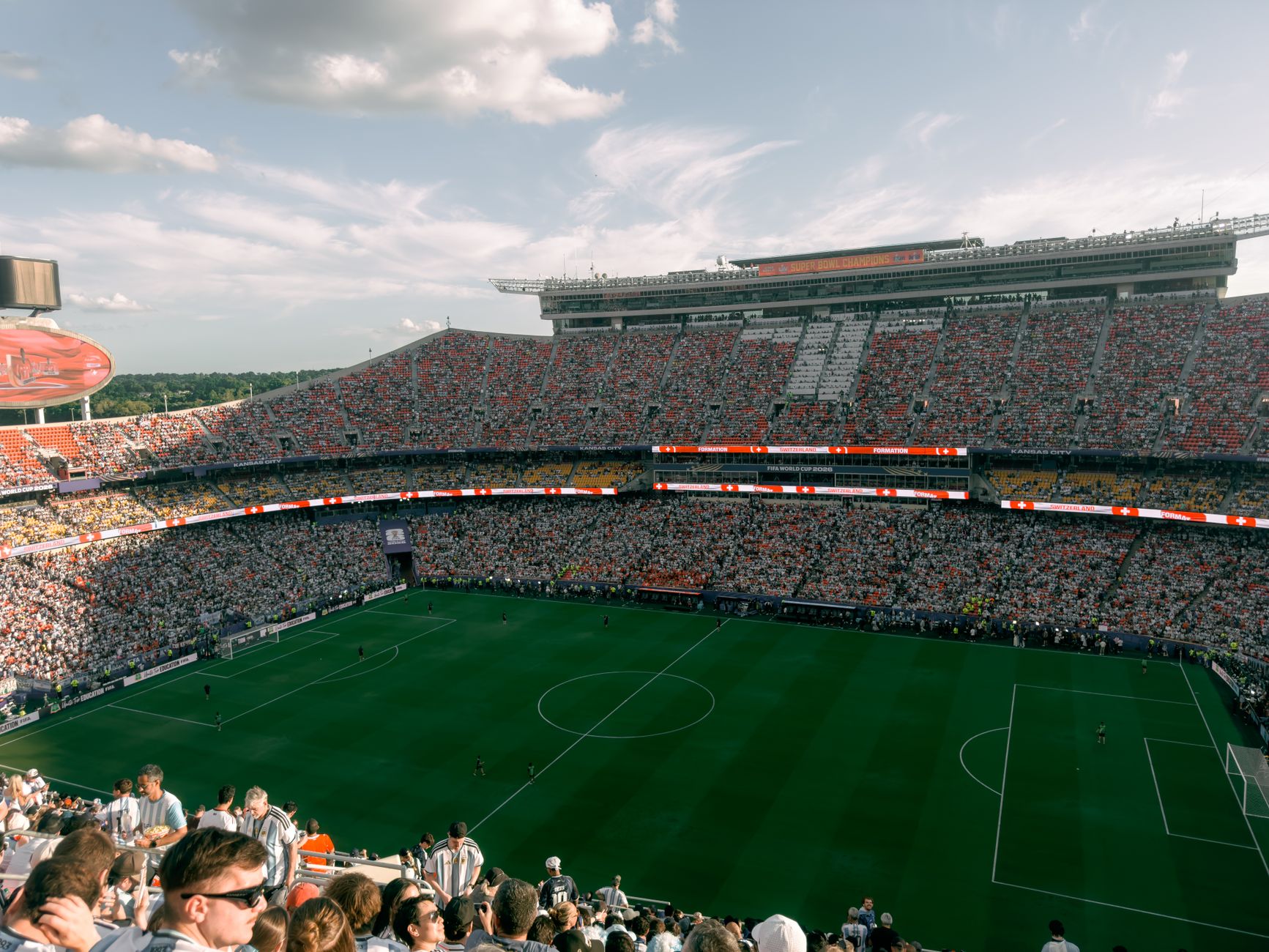
The 2026 FIFA World Cup across North America has delivered an extraordinary spectacle of world-class football, dramatic late finishes, and intense atmospheric energy. Yet beyond the tactical maneuvers and individual brilliance on the pitch, the tournament has unveiled fascinating socio-cultural dynamics off it. Among the most talked-about phenomena in stadiums from Atlanta to Los Angeles has been the vocal stance taken by a significant portion of the host nation’s domestic fan base: many Black Americans actively rooted for Argentina to lose. For casual observers unaccustomed to the deep intersection of race, history, and international sport, this rooting interest seemed puzzling given Argentina’s historic footballing pedigree, legendary global icons, and dazzling heritage. However, beneath the surface lies a complex tapestry of historical context, social awareness, and recent cultural flashpoints that have reshaped how global teams are perceived in modern America.
As former NBA player and prominent activist Etan Thomas highlighted in his thought-provoking essay for The Guardian, sports fandom in the modern era rarely exists in a vacuum stripped of social commentary. Black American sports culture has long aligned itself with principles of equity, representation, and solidarity with marginalized communities worldwide. When assessing Argentina’s national football team, many Black American fans saw more than just a talented squad clad in sky blue and white stripes; they viewed a team and a broader footballing culture that has repeatedly struggled with issues of racial sensitivity, historical whitewashing, and discriminatory conduct. In a tournament staged on American soil where conversations around racial justice and representation remain paramount, Argentina became a flashpoint for broader debates on systemic accountability in global sport.
Background & Context
To fully grasp why so many Black Americans aligned themselves against Argentina during the 2026 FIFA World Cup, one must examine both historical narratives and recent public incidents. Nationally, Argentina has constructed a self-narrative of racial homogeneity that frequently erases its rich Afro-Argentine history. Throughout the nineteenth and twentieth centuries, state policies, warfare, and deliberate historiography marginalized the contributions of Black Argentines, cultivating an image of an explicitly European nation in South America. While neighboring South American powerhouses like Brazil, Colombia, and Ecuador celebrated and embraced their African diasporic roots on the pitch, Argentina’s national team remained almost exclusively white—a stark visual discrepancy that long intrigued international observers and cultural critics alike.
This historical backdrop gained modern intensity following several high-profile incidents involving Argentine football culture on the global stage. In the wake of major international victories, viral videos emerged showing members of the Argentine national team celebrating by singing derogatory, racially charged chants directed at Black players on rival squads—most notably targeting French players of African heritage. These incidents drew widespread international condemnation, yet the perceived lack of meaningful institutional sanctions or genuine contrition from football authorities rankled fans worldwide. In the United States, where Black athletes and supporters have fought long, arduous battles against racial discrimination in professional leagues, these actions were seen as an affront to shared values of dignity and respect. The contrast between global football's anti-racism campaigns and the lived reality of these incidents generated sharp criticism, especially during A bruising 24 hours - what next for Fifa and under-pressure Infantino? as governing bodies faced immense public scrutiny over accountability and governance standards.
Furthermore, staging the tournament in North American venues brought these global tensions into direct contact with local communities. For many Black American soccer fans, supporting a team requires an alignment of ethics as much as athletic admiration. The refusal to blindly celebrate talent at the expense of moral principles became a defining characteristic of domestic audience engagement. When Argentina stepped onto North American turf, they were not met solely with uncritical adoration; instead, they faced a discerning audience that used their voices and match tickets to send a clear message regarding inclusion and respect in international athletics.
Key Details & Analysis
On the pitch, Argentina’s campaign in the 2026 FIFA World Cup provided plenty of tactical intrigue to complement the surrounding off-field narratives. Entering the tournament burdened by high expectations and an aging core, the South American giants struggled to display the fluidity and pressing intensity that characterized their previous championship cycles. Opponents routinely targeted Argentina’s midfield transitions, exploiting a lack of lateral mobility and defensive cover. While La Albiceleste maintained impressive possession statistics, their possession often proved static and predictable, allowing well-organized opposition defenses to comfortably absorb pressure and launch devastating counter-attacks.
Statistically, Argentina showed noticeable declines in high-intensity defensive actions and recovery times compared to their opponents. In matches against physically dominant, dynamic sides, Argentina struggled to cope with aggressive wing play and box-to-box athleticism. Tactical breakdowns were particularly evident in late-game scenarios where fatigue compromised structural discipline. As analyzed in detail in the Who Can Kick Higher? FIFA World Cup 2026 Athleticism Analysis, modern football at the absolute highest level increasingly demands elite verticality, explosive acceleration, and sustained physical output—areas where Argentina's roster showed distinct vulnerabilities against younger, more athletic international lineups.
Despite these physical and tactical limitations, the commercial machine surrounding the Argentine national team remained formidable. Driven by iconic player branding and global merchandising power, consumer demand for national team apparel surged across North America. Official apparel partners reported record figures, as documented in reports showing Adidas Q2 Revenue Climbs 14% Driven by FIFA World Cup 2026 Demand. However, this commercial juggernaut created a fascinating paradox: while retail outlets moved unprecedented volumes of sky-blue jerseys to global tourists, local host city demographics frequently filled stadiums to cheer fervently for Argentina’s elimination, creating an charged, hostile environment for the South American side.
Expert Perspective
Sports sociologists and international football analysts have weighed in heavily on the unique atmosphere surrounding Argentina’s fixtures in 2026. Experts point out that Black American sports fandom has evolved into a sophisticated, globalized movement that evaluates teams through the lens of social responsibility. Rather than viewing the World Cup strictly as a contest between nation-states, many domestic fans assess international squads based on representation, player conduct, and cultural respect. Etan Thomas’s insightful commentary reflected a sentiment shared by many prominent voices across African American media: that supporting a team is an endorsement of its culture, and supporting Argentina felt incompatible with the ongoing struggle against global anti-Black racism.
Football pundits have also highlighted the institutional failure of sport governing bodies to address underlying racial tensions effectively. When players and supporters engage in discriminatory chants or behavior without facing severe sporting consequences, it damages the credibility of international federations. Analysts noted that official campaigns and stadium banners carry little weight when fans observe double standards in disciplinary actions. Internal governance critiques have further eroded public trust, a theme reinforced by ongoing administrative revelations such as when FIFA COO Lamour Exposes Infantino World Cup Deception, shedding light on how corporate and political interests frequently overshadow community ethics within global football institutions.
From a tactical standpoint, coaching staff from opposing nations recognized Argentina’s psychological and physical vulnerabilities early in the tournament. Technical directors noted that pressing Argentina high up the pitch and challenging them physically was not just an effective tactical strategy, but one that energized neutral and hostile crowds. The vocal opposition from host-nation fans transformed neutral venues into effectively away matches for Argentina, amplifying the pressure on their veteran stars during high-stakes knockout moments.
Impact & Implications
The collective stance taken by Black American fans during the 2026 tournament carries profound implications for the future of international sports marketing and team branding. For decades, major international teams operated under the assumption that neutral fans in host countries would automatically support world-renowned superstars regardless of off-field controversies. The 2026 tournament firmly debunked this assumption. National federations must now realize that in an interconnected, digitally transparent world, local fan bases will hold international teams accountable for their cultural conduct, historical narratives, and player behavior.
This shifting paradigm arrives at a time when global football is undergoing massive structural expansion. As football administrators evaluate tournament formats and global outreach, understanding demographic dynamics in major markets like the United States becomes critical. Discussions regarding future expansion—such as reports detailing how FIFA studying impact of expanding World Cup to 64 teams for 2030 editi—must take into account not merely logistics and broadcasting revenue, but also cultural integration and fan sentiment across diverse host populations.
Key takeaways regarding the socio-cultural impact of the 2026 World Cup include:
Demographic Empowerment: Host nation minority groups demonstrated their power to shape stadium atmospheres and influence global sporting narratives.
Accountability in Fandom: Uncritical support for global powerhouses has been replaced by value-driven fandom rooted in ethics and social justice.
Brand Vulnerability: National federations that tolerate or downplay discriminatory behavior face long-term reputational damage in lucrative foreign markets.
Institutional Scrutiny: Governing bodies face increasing pressure from fans, media, and human rights groups to enforce strict zero-tolerance policies against racism.
Looking Ahead
As international football shifts its gaze toward future competitive cycles, the lessons of the 2026 World Cup will resonate far beyond North America. For Argentina’s football association (AFA), a comprehensive cultural and structural recalibration will be necessary. To regain universal respect on the global stage, federations must proactively combat discrimination, promote diversity within youth academies, and foster a culture of genuine inclusivity. Relying solely on past glory and world-class individual talent will no longer suffice to win over global audiences in an era defined by ethical consciousness.
For tournament organizers and international bodies like FIFA, the 2026 tournament served as a clear warning sign. Anti-racism protocols can no longer exist as mere PR exercises or pre-match slogans. Direct, consequential action—including stadium bans, point deductions, and financial penalties—must be rigorously enforced whenever players or supporters cross the line into discriminatory behavior. As coverage on media outlets like BBC Sport continues to highlight, football fans around the globe are demanding tangible accountability from executives and federations alike.
Furthermore, the growth of soccer in North America will continue to be heavily shaped by Black American athletes, journalists, and supporters. As domestic leagues like MLS continue to expand and young Black Americans embrace the sport at grassroots levels, the domestic soccer culture will become increasingly vocal and influential. Future visiting nations during friendly tours or international competitions must recognize that North American crowds are sophisticated, culturally aware, and fully prepared to make their voices heard both on the terraces and across digital media platforms.
Conclusion
The sentiment surrounding Argentina during the 2026 FIFA World Cup marked a pivotal moment in modern sports history. What began as a tactical competition on the pitch expanded into a meaningful reflection on history, race, and identity in global sport. By actively rooting for Argentina to lose, many Black Americans sent an unequivocal message: athletic excellence cannot be divorced from moral accountability, and historic prestige does not grant immunity from ethical scrutiny.
Etan Thomas’s insightful commentary in The Guardian put words to a powerful cultural movement that resonated across North American stadiums. As football continues to expand its global footprint, the 2026 tournament will be remembered as the event where fans redefined the parameters of international sports fandom. Moving forward, national teams, governing bodies, and global sponsors must recognize that true greatness on the pitch requires an unyielding commitment to respect, inclusion, and human dignity off it.
Black Americans Argentina World CupEtan Thomas Guardian ArgentinaFIFA World Cup 2026 social reactionArgentina football racism controversyNorth America World Cup fan cultureglobal football race dynamics