Discover how the 2026 FIFA World Cup transformed American sports marketing. Learn four key corporate lessons on hyper-local strategy, creators, and ROI.
Introduction
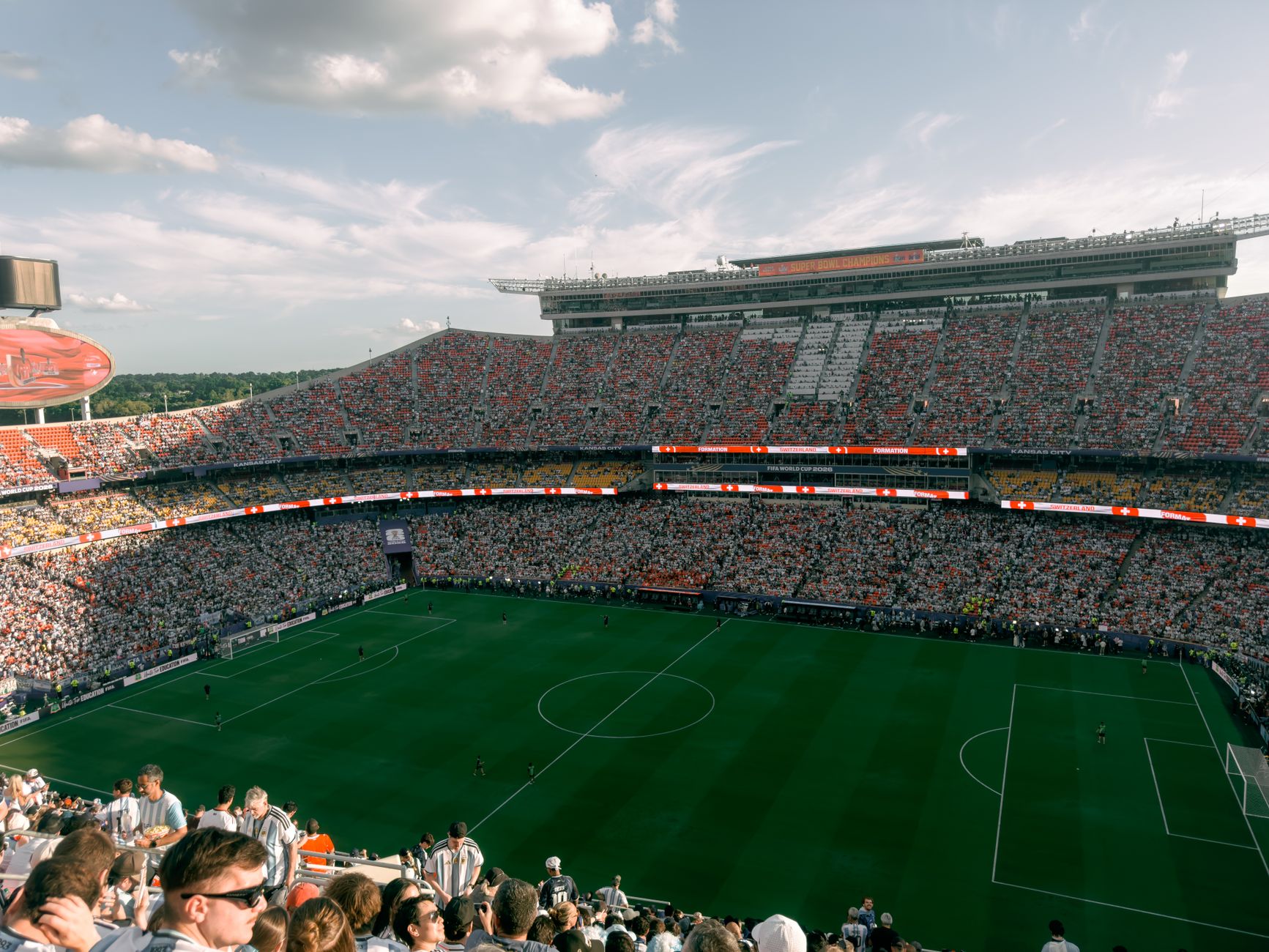
The 2026 FIFA World Cup across North America has redefined the global sports landscape. With 48 nations competing across 16 iconic host cities in the United States, Canada, and Mexico, the tournament has smashed every pre-existing metric for stadium attendance, global viewership, and commercial revenue. Yet beyond the jaw-dropping goals, late-game drama, and iconic pitch-side moments, the tournament's most profound transformation is taking place off the field. For corporate sponsors, brand partners, and marketing executives, World Cup 2026 has served as an intense, real-time testing ground for captivating the notoriously complex and fragmented American consumer market.
Reaching an audience in the United States has historically required navigating a fractured media landscape dominated by domestic juggernauts like the NFL, NBA, and MLB. However, the unprecedented scale of the 2026 World Cup has proven that soccer is no longer a peripheral novelty in America—it is a central engine of modern pop culture and commercial engagement. Brands that relied on traditional, legacy advertising models have often found themselves sidelined, while agile, digital-first campaigns tailored to diverse demographics have dominated mindshare. As the tournament reaches its thrilling conclusion, marketing strategists are taking stock of a seismic shift in consumer behavior.
Analyzing the fallout from North America’s biggest-ever sporting spectacle reveals four pivotal lessons from the 2026 World Cup that will fundamentally reshape how brands approach marketing, advertising, and fan engagement in the United States for the next decade. From the imperative of hyper-local storytelling to navigating complex corporate controversies, these insights provide the blueprint for connecting with the modern American sports fan.
Background & Context
When the United States last hosted the World Cup in 1994, soccer occupied a radically different position in the American psyche. That tournament was largely viewed as an educational crusade—an effort to introduce "the beautiful game" to a skeptical sports public. Thirty-two years later, the 2026 iteration has unfolded in a completely transformed environment. Major League Soccer (MLS) has expanded into a multi-billion-dollar entity, European leagues command premium weekend broadcast slots across American networks, and grassroots participation has created a generation of football-fluent consumers. The 2026 expansion to 104 total matches provided brands with an unprecedented volume of inventory and fan touchpoints across North America.
The financial stakes for sponsors entering the 2026 cycle were historic. Major apparel giants, tech conglomerates, and consumer packaged goods brands poured unprecedented capital into tournament partnerships. This gold rush yielded staggering initial returns for proactive market leaders. For instance, commercial data revealed how corporate giants capitalized on fan frenzy, with reports confirming that Adidas Q2 Revenue Climbs 14% Driven by FIFA World Cup 2026 Demand, fueled largely by North American kit sales and lifestyle apparel line integrations. However, financial investment alone did not guarantee success; the challenge lay in breaking through the noise of a saturated media ecosystem.
In contrast to traditional American mega-events like the Super Bowl—which concentrates national attention on a single weekend—the 2026 World Cup presented a month-long, continuous cultural wave. Brands were forced to abandon static, campaign-based timelines in favor of dynamic, dynamic marketing strategies capable of responding to real-time storylines. Coupled with a hyper-connected consumer base that consumes content across second-screen apps, short-form video platforms, and social messaging networks, the 2026 tournament underscored that traditional media buys are no longer sufficient to secure true consumer engagement in the United States.
Key Details & Analysis: The Four Strategic Lessons
The first major takeaway from the 2026 tournament is that there is no single "American sports fan." The United States is a vast, multi-cultural tapestry, and the World Cup highlighted the power of demographic-specific, culturally nuanced messaging. Brands that attempted to run generic, blanket campaigns across the country struggled to generate meaningful resonance. Conversely, brands that targeted specific cultural enclaves—such as tailored Spanish-language activations in Miami, Los Angeles, and Houston, alongside vibrant community-focused campaigns in Seattle and Atlanta—saw massive spikes in brand affinity and digital conversion.
Authentic cultural integration became the defining line between viral success and total irrelevance. Winning brands leveraged bilingual creative execution, partnered with local grass-roots supporters' groups, and celebrated the specific soccer heritage of diverse immigrant communities. American consumers, particularly Gen Z and millennial demographics, demonstrated an exceptional ability to sniff out performative marketing. Campaigns that respected the deep-rooted international ties of US soccer fans earned lasting loyalty, proving that regional nuance and cultural specificity are non-negotiable for future domestic activations.
2. The Creator Economy & Real-Time Content Outpace Traditional Broadcast Ads
The second lesson lies in the total dominance of creator-led, short-form content over traditional 30-second television commercials. While linear broadcasts via major networks pulled impressive viewership, the primary engine of cultural conversation occurred on social platforms like TikTok, Instagram Reels, and YouTube Shorts. Fans craved behind-the-scenes access, tactical breakdowns, culture-driven banter, and immediate reaction content. Brands that partnered with independent creators, micro-influencers, and former players to generate immediate, reactive content reaped enormous engagement rewards.
This dynamic was particularly evident in how individual player performances and viral athletic feats were amplified online. Editorial platforms and brands frequently collaborated on viral moments; for example, lifestyle and athletic features such as the Who Can Kick Higher? FIFA World Cup 2026 Athleticism Analysis captured millions of organic views by merging lighthearted entertainment with elite sport science. Brands that positioned themselves at the intersection of athlete personality and internet culture generated far higher recall than those relying strictly on stadium LED boards or pre-produced commercial breaks.
3. Purpose, Corporate Integrity, and Governance Scrutiny
The third lesson centers on the heightened ethical scrutiny modern American consumers place on corporate partnerships. The 2026 tournament was not without institutional friction. High-profile organizational disputes and geopolitical debates repeatedly threatened to overshadow on-pitch drama. Earlier internal leaks, such as when FIFA COO Lamour Exposes Infantino World Cup Deception, highlighted administrative vulnerabilities that corporate sponsors had to navigate delicately. Furthermore, diplomatic tensions surrounding host nation policies and commercial stakes led to significant international friction, exemplified when reports surfaced that Europe Vows Boycott of 2026 World Cup Over Kushner Stake Deal.
For brands operating in the United States, remaining silent or passive during corporate controversies proved increasingly difficult. American audiences demanded transparency, social responsibility, and ethical alignment from the companies they supported. Brands that successfully navigated these turbulent waters did so by maintaining clear, purpose-driven initiatives—such as funding local youth soccer infrastructure, promoting sustainability initiatives at stadium activations, and advocating for pay equity in sport. Those that aligned themselves purely with corporate entities without addressing broader social values faced immediate blowback from socially conscious consumers.
4. Immersive Experiential Activations and Seamless Direct-to-Consumer Commerce
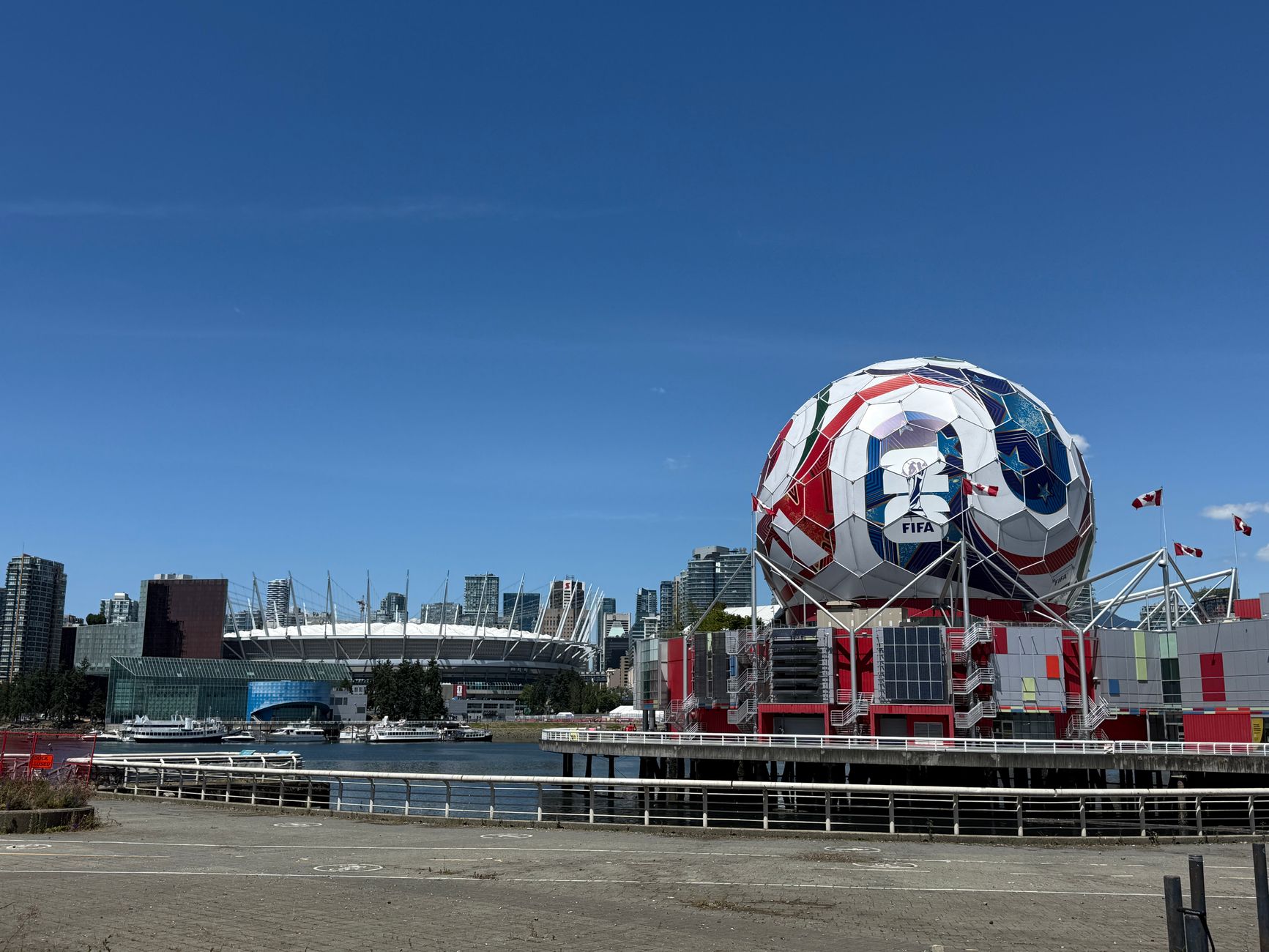
The final lesson stems from the blending of physical and digital brand experiences. With fan zones, pop-up events, and citywide activations stretching across North America, successful brands turned passive spectating into active participation. Experiential marketing was no longer limited to handing out branded flyers or samples outside stadium gates; it required creating fully immersive environments. Interactive VR penalty shootout booths, localized streetwear drops, and augmented reality (AR) stadium experiences allowed brands to capture first-party consumer data while delivering genuine value to the fan.
Crucially, these experiential touchpoints were directly integrated with frictionless direct-to-consumer (DTC) commerce. Fans attending Fan Fests or watching from local sports bars could instantly purchase limited-edition gear via QR codes or mobile apps, receiving immediate home delivery or venue pickup. By removing purchasing friction and delivering exclusive, location-based merchandise, brands unlocked direct revenue channels that extended far beyond traditional sponsorship ROI models.
Expert Perspective
Leading sports marketing executives and broadcast industry analysts have highlighted how the 2026 tournament exposed the widening gap between agile and legacy corporate strategies. "The American sports consumer has evolved faster than many global brand playbooks," notes Sarah Jenkins, Senior Managing Director at Apex Sports Entertainment Group. "In 1994, brands could simply buy a national broadcast package and drop a generic tagline. In 2026, if your campaign doesn't speak to a multi-cultural, digital-native audience through creators they actually trust, you are essentially throwing capital into a black hole."
Pundits across major networks, including analysis on ESPN, emphasized that the tournament's expanded format forced brands to adopt an endurance mindset rather than a sprint mentality. Covering 104 matches required continuous content engine output. Industry insiders point out that governing bodies are paying close attention to these commercial dynamics as they consider future tournament evolutions. The success of the 48-team framework has already fueled institutional discussions at FIFA.com regarding further global calendar expansions, including ongoing debates over how FIFA studying impact of expanding World Cup to 64 teams for 2030 editi might alter future corporate rights valuations.
From a fan perspective, reaction to brand activations throughout host cities was overwhelmingly positive when campaigns prioritized authenticity over intrusiveness. Supporters' groups praised sponsors that invested in community infrastructure, match-day transit solutions, and accessible fan viewing zones. Conversely, activations that felt like overt corporate cash-grabs were met with swift apathy or public pushback online, confirming that modern sports fans view themselves as active stakeholders rather than passive consumers.
Impact & Implications
The strategic lessons learned during the 2026 World Cup will immediately ripple across the North American sports business landscape. Domestic leagues like MLS, the NWSL, the NFL, and the NBA are already re-evaluating their corporate sponsorship structures based on the tournament's data. Linear television advertising spend is projected to accelerate its pivot toward digital-first, streaming-integrated, and creator-led media partnerships. Corporations are realizing that retaining American sports audiences requires an ongoing, 365-day engagement strategy rather than isolated event-driven ad buys.
Furthermore, the success of multi-cultural and hyper-local targeting during the World Cup will permanently alter brand budget allocations in the United States. Marketing departments are moving away from centralized national budgets toward regional, language-agnostic funds designed to capture fast-growing demographic segments. Spanish-language media and niche digital communities, once treated as secondary considerations by major corporate spenders, are now recognized as core drivers of commercial growth.
The financial impact also extends directly to athlete sponsorship models. The 2026 World Cup demonstrated that individual players—with their personal social media followings and direct fan relationships—often command greater digital influence than governing bodies or federations. Brands will increasingly prioritize direct endorsement deals with charismatic young athletes who can bridge the gap between sports, fashion, gaming, and lifestyle culture.
Looking Ahead
As the curtain falls on the 2026 World Cup, corporate attention shifts rapidly toward the next wave of major global sporting events scheduled to land on American soil. With the 2028 Summer Olympic and Paralympic Games in Los Angeles on the horizon, alongside upcoming club competitions and international summer tours, brands have a narrow window to digest and apply the lessons of 2026.
Immediate Strategy Audits: Marketing teams must evaluate their digital agility, creator networks, and real-time content production capabilities to ensure they can respond to fast-moving viral trends during future events.
Refining Demographic Targeting: Brands must deepen their investments in multi-cultural and multi-lingual marketing infrastructure, moving away from simple translations toward dedicated, culturally rooted creative campaigns.
Strengthening Direct-to-Consumer Pathways: Experiential activations must be tightly coupled with seamless digital commerce solutions to maximize immediate revenue capture and build long-term consumer databases.
Navigating ESG and Corporate Governance: Companies must establish clear ethical guidelines and purpose-led initiatives to insulate their brand equity when partnering with massive, complex sports governing bodies.
Marketers who implement these strategic adjustments will find themselves positioned for long-term dominance in the North American market. Those who fall back on passive television buys and generic messaging risk becoming obsolete in an increasingly dynamic and demanding sports media landscape.
Conclusion
The 2026 FIFA World Cup will be remembered as a landmark moment in modern sports history—a tournament that definitively established football as a dominant force within American culture while setting new standards for tournament hosting, broadcast reach, and commercial revenue. Yet for the business world, the tournament's lasting legacy will be the fundamental disruption of how brands connect with domestic audiences.
By demonstrating the supreme value of hyper-local multi-cultural storytelling, creator-led content ecosystems, purpose-driven governance navigation, and direct-to-consumer experiential activations, the 2026 World Cup provided a masterclass in modern sports marketing. As global sports continue to converge on North America, the brands that embrace these four transformative lessons will lead the industry, forging deeper, more lucrative, and enduring connections with the American consumer for generations to come.