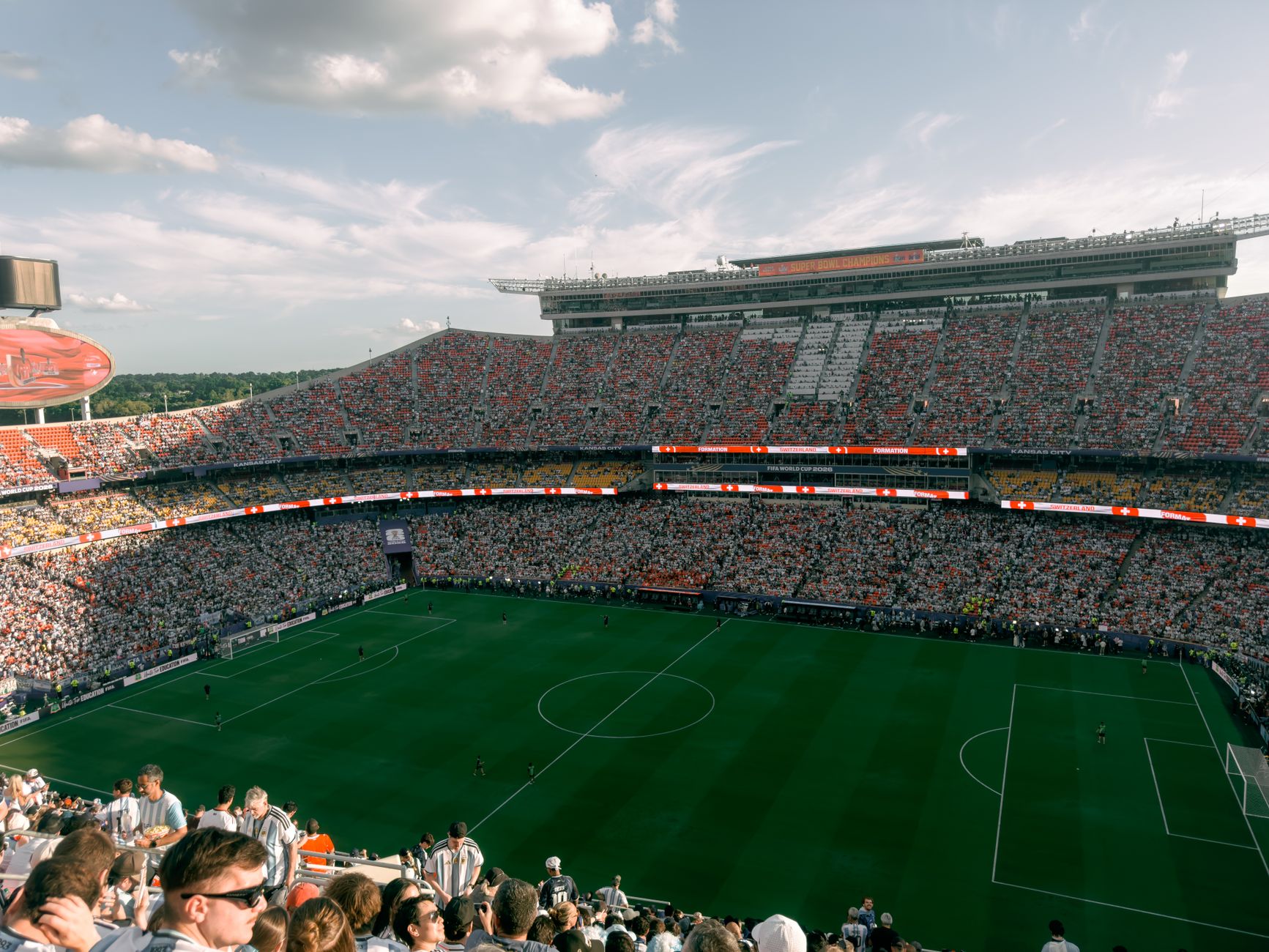
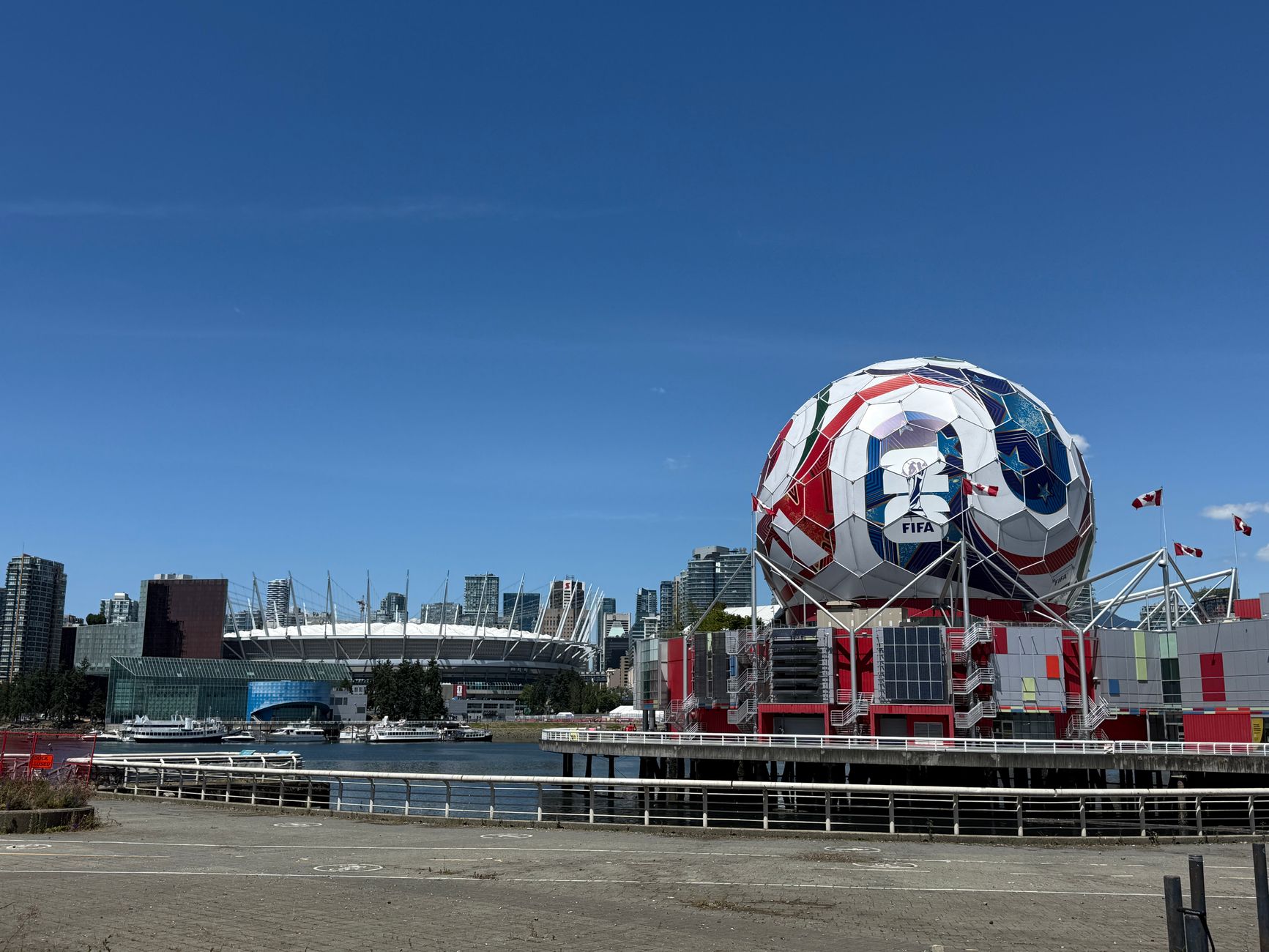
Explore how an elite football power struggle and political rifts derailed FIFA World Cup plans, shifting tournament dynamics ahead of the 2026 showcase.
Introduction: The Fracture Behind Football’s Grandest Ambitions
The corridors of global sports governance have long been battlegrounds for influence, wealth, and soft power, but the latest disclosures surrounding FIFA's global tournament blueprint have brought these underlying tensions into plain view. Revelations highlighted in an Al Jazeera broadcast—referencing sharp assessments from investor and political dealmaker Jared Kushner alongside international sports power brokers—suggest that an escalating football power struggle directly triggered the fallout and operational turbulence surrounding FIFA’s visionary restructuring of its marquee tournaments, particularly the road to the FIFA World Cup 2026. Rather than a purely administrative recalibration, the resistance and public fragmentation experienced by football’s governing body stem from an aggressive confrontation between traditional continental federations, sovereign financial behemoths, and FIFA's own centralizing ambitions.
As the international game accelerates toward the unprecedented 48-team extravaganza hosted across the United States, Mexico, and Canada in 2026, the cracks in the global architecture are widening. Proposals that once seemed designed solely to maximize commercial equity—ranging from expanded international competitions to revamped tournament frequency and privatized financial vehicles—have instead ignited turf wars between Zurich, European governing body UEFA, South American confederation CONMEBOL, and multi-billion-dollar private capital consortia. The fallout has reached executive suites worldwide, highlighting how elite football has ceased to be solely an athletic spectacle and has firmly evolved into an arena of geopolitical leverage and corporate conquest.
The consequences of these fractured negotiations have not remained confined to boardrooms. They have dictated scheduling logjams, escalated legal standoffs with domestic leagues, and fueled deep skepticism among players and supporters alike. As international figures weigh in on the maneuvering that derailed specific commercial expansions and altered tournament staging, the dispute underscores a fundamental reality: the fight to control the modern game's revenue streams and calendar has reached an unsustainable inflection point, with the expanded 2026 showcase standing directly in the crosshairs of this global power play.
Background & Context: The Ideological Rift in Modern Football Governance
To fully understand how this institutional friction boiled over, one must examine the fundamental shift in strategy engineered by FIFA leadership over the past half-decade. Following the institutional crisis of 2015, the modern FIFA executive apparatus set out to aggressively wrest commercial and competitive autonomy away from the traditional duopoly enjoyed by UEFA and the major European domestic leagues. Initiatives like the proposed biennial World Cup, heavily promoted global club competitions, and lucrative investment funds backed by international private equity were designed to redistribute capital across developing confederations while solidifying Zurich’s unilateral command of football’s economic levers.
However, this centralization drive provoked swift and coordinated resistance from European and South American authorities, who viewed the aggressive expansion of the FIFA calendar as an existential threat to their domestic operations and premiere continental tournaments, such as the UEFA Champions League and Copa América. The friction reached a boiling point when prominent administrative figures began to voice dissent from within, evidenced by how a Top Official Quits FIFA Over Infantino World Cup 2026 Plans, signaling genuine internal discomfort with the uncompromising pursuit of new commercial horizons. What was initially framed as an egalitarian crusade to globalize football finance increasingly exposed a deeper clash over who dictates the global sporting calendar.
Compounding this administrative tug-of-war is the shifting geopolitical reality of sports investment. Middle Eastern sovereign wealth funds, prominent North American private equity firms, and political intermediaries have sought prime positioning within football's lucrative ecosystem. Commentary around these behind-the-scenes negotiations, highlighted on international networks like Al Jazeera, details how sovereign capital and high-stakes political alliances attempted to engineer revolutionary shifts in hosting rights and tournament financing. When these grand designs met bureaucratic resistance, legal challenges, and competing geopolitical agendas, the resulting fallout disrupted long-term planning, leaving tournament organizers scrambling to consolidate schedules and mend fractured alliances ahead of 2026.
Key Details & Analysis: Mechanics of the Clash and Calendar Chaos
At the center of this power struggle is a relentless arithmetic challenge: cramming an ever-expanding volume of elite matches into an already saturated calendar. The structural overhaul of the FIFA World Cup 2026 to include 48 nations—expanding the total match schedule from 64 to 104 games—created logistical, operational, and physical pressures that reverberated down to domestic competitions worldwide. According to analytical reports cited across international sports desks, the expansion was pushed through despite fierce warnings from the World Leagues Forum and professional players' unions regarding athlete burnout, long-distance travel, and market exhaustion.
The tactical and operational strain on national teams has become immediately apparent during continental qualifying campaigns. In South America, the demanding nature of the marathon qualifying process was made starkly clear during the ferocious Argentina vs Brazil: 2026 World Cup Qualifiers Match Analysis, where institutional pressure, intense domestic scheduling back in Europe, and national prestige collided in a cauldron of physical attrition. National team managers increasingly report that training camps have turned into recovery sessions rather than tactical laboratories, directly compromising on-pitch tactical execution as international bodies vie for their players' limited off-season windows.
From an economic standpoint, the battle pits established domestic rights holders against FIFA’s push for centralized direct-to-consumer platforms and unprecedented sponsorship tiers. Financial analysis indicates that FIFA's projected budget for the 2023–2026 cycle targets revenues surpassing $11 billion, driven largely by North American corporate partnerships and revised broadcast rights packages. However, domestic stakeholders argue that this aggressive commercial vacuum draws capital away from grassroots initiatives and domestic pyramid structures. In the United States, for example, the prioritization of grand corporate events over legacy grass-roots traditions has sparked widespread debate, illuminating why critics champion competitions like the US Open Cup: The True Antidote for Post-World Cup Excitement to preserve authentic domestic sporting identity amid rampant commercialization.
The statistical metrics underpinning player health tell a sobering story:
Match Saturation: Elite international players now participate in upwards of 65 to 70 competitive fixtures per calendar year across club, continental, and national team duties.
Expanded Format Burden: The 2026 tournament structure demands that the four semifinalists play eight matches over an extended 39-day tournament window, compared to seven matches in previous editions.
Travel Miles: Staging games across three vast nations—from Vancouver and Toronto to Mexico City and Miami—imposes thousands of air miles across multiple time zones within short turnaround windows.
Commercial Reallocation: Broadcasters are forced to split budget allocations between expanded domestic leagues, continental club championships, and prolonged FIFA showcases, causing friction over television rights valuations.
Expert Perspective: Governance Analysts, Legal Standoffs, and Punditry
Legal and sports governance analysts emphasize that the current standoff represents more than mere organizational squabbling; it constitutes a profound constitutional crisis for world football. Industry observers note that FIFA's dual role as both the supreme regulatory authority and an aggressive commercial promoter creates an inevitable conflict of interest. When international figures and political dealmakers attempt to bridge commercial gaps with sovereign investment vehicles, they inevitably encounter antitrust scrutiny and legal challenges launched by national leagues seeking to protect their proprietary products.
Sports law experts regularly draw comparisons to recent European court rulings regarding anti-competitive practices in sport, highlighting that federations cannot indefinitely enforce exclusive dominance without facing severe judicial challenges. Public reporting on platforms such as BBC Sport has documented how national leagues and FIFPRO have formally submitted complaints to the European Commission, arguing that FIFA abuses its dominant market position by unilaterally setting the international match calendar without collective bargaining. Analysts point out that as long as the governing body pushes forward without genuine consensus, the threat of split leagues, boycotts, or judicial injunctions remains potent.
Broadcasters and former coaches have also voiced concerns regarding the diluted competitive integrity of an over-extended global tournament. Pundits argue that while commercial executives celebrate the inclusion of 48 teams as a victory for worldwide engagement, technical analysts fear that group-stage blowouts and negative tactical containment strategies will undermine the quality of play. The administrative friction reported across media networks reflects an underlying panic: if the global football product becomes oversaturated, the perceived prestige of holding a World Cup title could suffer irreparable depreciation in the eyes of younger audiences who demand elite quality over quantity.
Impact & Implications: Shifting Alliances and Tournament Balance
The immediate consequence of this ongoing administrative struggle is a dramatically altered competitive and structural landscape for international football. For the 2026 tournament, qualifying configurations have been modified to guarantee expanded representation across Africa, Asia, and North America. While this democratization fulfills long-standing campaign promises by FIFA leadership to developing associations, it simultaneously exacerbates political tensions with the European club ecosystem, which supplies the vast majority of participating talent and assumes the underlying financial risk of player injuries.
Furthermore, the high-stakes logistical environment will transform knockout-stage dynamics. In an expanded 32-team knockout round, historical giants will face untested emerging nations in high-pressure single-elimination fixtures, where fatigue, travel schedules, and climate variances across host venues could produce unprecedented upsets. Theoretical matchups reminiscent of technical masterclasses—such as those dissected in a prospective Spain vs Austria: FIFA World Cup 2026 Round of 32 Match Analysis—will hinge entirely on which federation can navigate grueling travel itineraries and maintain squad depth in conditions vastly different from standard domestic environments.
Beyond the pitch, the friction has fundamentally fractured international alliances. UEFA and CONMEBOL have deepened their strategic partnership—exemplified by joint initiatives such as the Finalissima—as a deliberate counterweight to FIFA’s authority. This consolidation of power among South American and European nations leaves international negotiations intensely polarized. Sovereign entities and international corporate sponsors are left navigating a delicate diplomatic maze, aware that backing Zurich’s expansive agenda risks alienating Europe’s traditional domestic institutions, which maintain week-to-week control over the world's most recognizable athletic stars.
Looking Ahead: The Road to 2026 Amid Geopolitical Crosscurrents
As the clock ticks toward the opening whistle in June 2026, tournament organizers must confront pressing practical challenges while administrative battles rage in the background. The massive North American host cities are preparing infrastructure upgrades, stadium modifications, and security operations to accommodate millions of traveling supporters. Yet, behind the public excitement, administrative committees face constant friction over operational oversight, venue authority, and revenue distribution agreements among host committees in the United States, Mexico, and Canada.
Key administrative summits scheduled over the coming months will prove decisive in determining whether FIFA and its primary institutional rivals can broker a lasting peace. Critical areas to watch include:
Collective Bargaining Negotiations: Whether FIFA will formally integrate FIFPRO and the World Leagues Forum into international calendar planning to avoid escalating antitrust litigation in European courts.
Club World Cup Viability: How the controversial launch of expanded global club tournaments will impact player welfare, television viewership, and financial parity among non-European participants.
Hosting Protocol Clarifications: Resolution of local logistical friction regarding venue security, pitch standardizations, and synthetic-to-grass field conversions across NFL stadiums in the United States.
Sponsorship Transparency: Scrutiny over sovereign investment and corporate state partnerships that continue to influence hosting assignments and international commercial rights.
Comprehensive tournament documentation and official scheduling guidelines published via FIFA.com will provide the official operational framework, but the true dynamic will unfold through backchannel negotiations. If historical precedent offers any lesson, the upcoming qualifiers and pre-tournament congresses will serve as tactical skirmishes where federations test each other’s resolve, using their star players, broadcast rights, and voting blocs as leverage to extract financial and administrative concessions before the tournament arrives on American soil.
Conclusion: A Watershed Moment for Global Sport
The fallout surrounding FIFA's grand tournament strategies, illuminated by political and sports business reporting across global media platforms, reflects a transformative chapter in the history of world football. What began as an ambitious commercial blueprint to restructure international football into an unrelenting year-round economic machine has collided forcefully with institutional checks, sovereign rivalries, and athlete exhaustion. The power struggle detailed by international figures exposes the delicate balance of power that preserves football's global unity, demonstrating that even the world's most powerful sports body cannot operate in a geopolitical vacuum.
Ultimately, the FIFA World Cup 2026 will arrive not merely as a celebration of athletic brilliance across North America, but as a crucial referendum on the future governance of the game. The compromises, legal resolutions, and administrative boundaries established in the wake of this executive discord will determine the sport's trajectory for decades to come. As stadiums fill and the world watches the finest talents battle for immortality, the true architects of football's destiny will remain acutely aware that the fiercest contest remains the unending battle for power, profit, and control behind the closed doors of international sports diplomacy.
FIFA World Cup 2026football power struggleFIFA governance falloutWorld Cup expansionGianni Infantinointernational sports politicsFIFA calendar controversy