Detailed analysis of our FIFA World Cup 2026 Team of the Tournament. Discover why Harry Kane missed out and which stars dominated the group stage.
Introduction
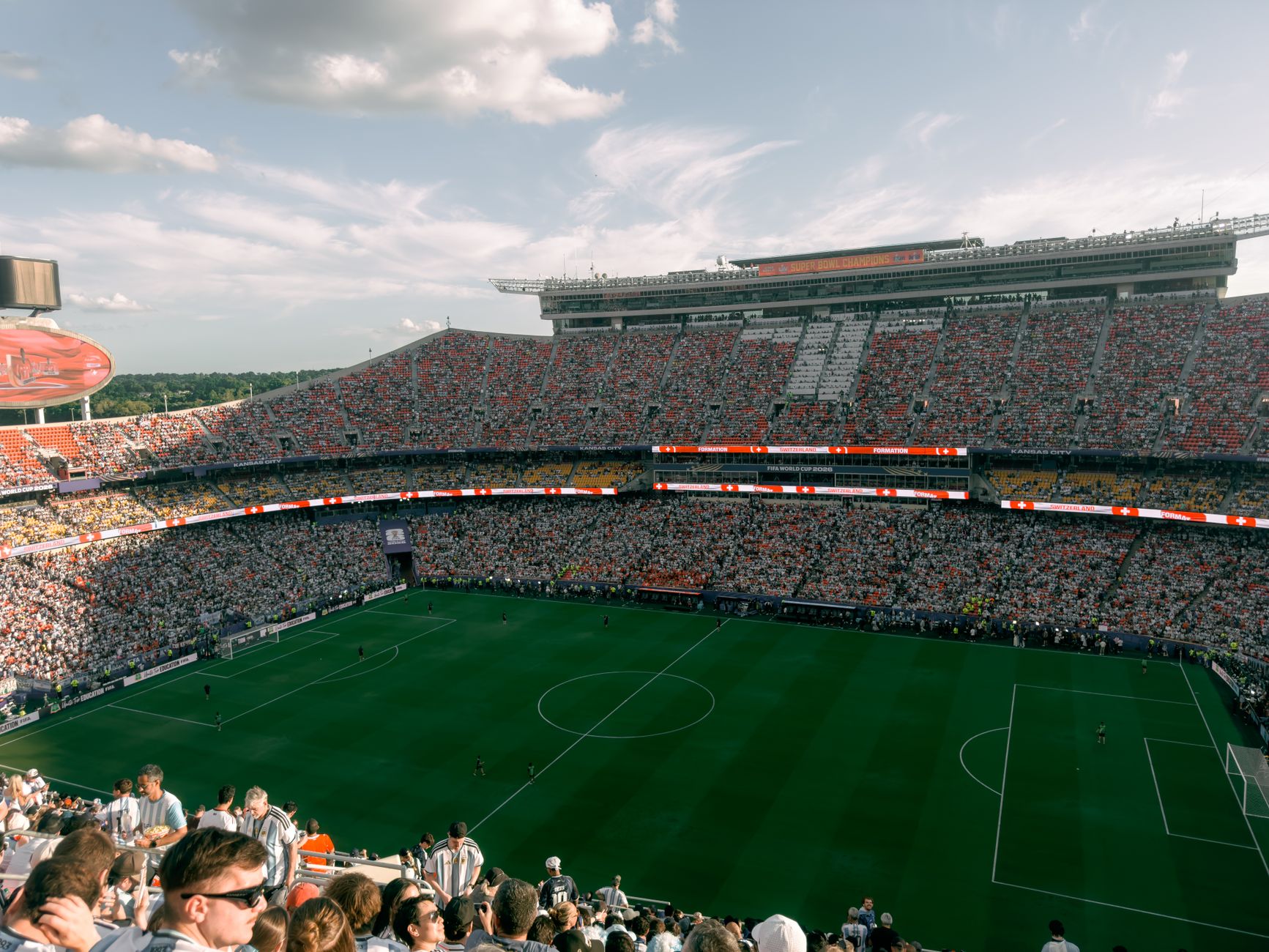
The 2026 FIFA World Cup across the United States, Canada, and Mexico has delivered a mesmerizing, high-octane spectacle that has redefined modern international football. Across 16 iconic host venues, from the altitude of Mexico City to the glittering arenas of the American coastlines, the expanded 48-team tournament has yielded relentless drama, tectonic tactical shifts, and individual masterclasses. As the intense group phase concludes and the knockout rounds loom, our senior editorial team at North American Football News has assembled to debate and construct our definitive World Cup Team of the Tournament so far. Compiling a squad from nearly 1,000 competing athletes requires weighing tactical execution, cold statistical metrics, and match-winning moments under excruciating global pressure.
However, the headline revelation from our consensus lineup is not merely who made the cut, but who was left behind. In what proved to be the most heated editorial debate of the tournament, there is no place for England captain Harry Kane. Despite arriving on North American soil heralded as one of Europe’s most lethal central focal points, the Bayern Munich forward has endured a frustrating, static campaign that mirrored England’s broader structural lethargy. Instead, our panel opted for dynamic forward lines that rewarded raw vertical mobility, pressing intensity, and ruthless clinical edge—attributes demonstrated in abundance by dynamic global talismans and breakout underdog stars alike.
Background & Context
Understanding the selection criteria requires examining the grueling conditions and tactical evolution of this unprecedented 48-nation spectacle. The 2026 edition has systematically dismantled the traditional hierarchy of global football. Heavyweights such as Brazil, Germany, and Spain faced intense group-stage resistance, forced to navigate grueling travel schedules and drastically varying microclimates across three host nations. In contrast, emerging powers and athletic transitional units have thrived. African nations in particular have showcased tactical discipline mixed with lightning-fast counter-attacking capabilities, continuing a trajectory that began in Qatar four years ago.
The emotional backdrop of this World Cup has also been shaped by poignant narratives both on and off the pitch. Tragic moments hit the global football family prior to the tournament, such as when fans were Remembering Jayden Adams: South Africa Mourns World Cup Star, reminding the sporting world of the fragile humanity behind international competition. Simultaneously, the legacy of global icons continues to cast a long shadow over North America. Lionel Messi's twilight bow has generated immense intrigue, particularly as media outlets reflected on the mythical handovers of footballing destiny, such as how Yamal's father: Lamine gave his blessing to Messi in 2007 - Goal.com. This intergenerational bridge between veteran superstars and teenage prodigies has set the rhythm for the entire tournament.
Political and administrative narratives have similarly intersected with pitch action throughout the opening month. FIFA leadership has remained under intense media scrutiny throughout the expanded schedule, even as Infantino Praises Argentina Amid FIFA Investigation | World Cup 2026 during high-profile ceremonial appearances. Against this turbulent backdrop, players who maintained laser focus on performance metrics, individual fitness, and tactical adaptability stood out drastically from those who succumbed to physical fatigue or system stagnation.
Key Details & Analysis
To construct our Team of the Tournament, our writers deployed a fluid 4-3-3 formation designed to balance defensive solvency, midfield press-resistance, and explosive forward penetration. Below is the tactical breakdown of our selected XI, built entirely on individual metrics, defensive work rate, and game-changing contributions through the group stage.
Goalkeeper & Defensive Unit
In goal, Morocco’s shot-stopper earned unanimous selection after recording three consecutive clean sheets against elite opposition, leading all tournament goalkeepers in goals prevented (+3.4 xG saved). The back four balances suffocating perimeter defense with expansive overlapping play. At right-back, Achraf Hakimi provided an unstoppable outlet, averaging 2.8 key passes and 4.1 progressive carries per 90 minutes. The central defensive partnership pairs the cerebral positioning of Virgil van Dijk with the aggressive, front-foot interceptive power of Croatia's Josko Gvardiol. On the left flank, Ecuador’s Pervis Estupiñán earned the starting spot due to his tireless box-to-box engine and crucial goal contributions in tight group matches.
Holding Midfielder: Rodri (Spain) — The absolute metronome of the tournament, completing 93.4% of his passes while ranking top among all central midfielders in ball recoveries in the defensive third.
Box-to-Box Interior: Federico Valverde (Uruguay) — Provided unmatched vertical dynamism, breaking opposition lines with powerful lung-bursting runs and contributing two long-range screamers.
Advanced Playmaker: Lionel Messi (Argentina) — Operating in a floating, half-space role, the Argentine maestro conjured three assists and two goals, recording the highest expected threat (xT) generation of any player in the group stage.
The Forward Line and the Harry Kane Omission
The selection of the front three sparked the most intense debate among our panel. France’s Kylian Mbappé secured the left-wing berth after terrorizing opposition full-backs, bagging four goals and registering the highest top speed of the tournament at 36.2 km/h. On the right wing, teenage sensation Lamine Yamal mesmerized defenders with non-stop 1v1 dribble completions and pinpoint cross delivery.
The central striker position was the ultimate battleground. While Harry Kane entered the World Cup as a marquee name, his performance data revealed significant tactical complications for England. Operating in a system that often dropped him deep into already congested midfield pockets, Kane managed just two shots on target across three full matches, failing to register a single non-penalty expected goal (npxG) during open play. His lack of box presence left England's wingers isolated and static in the final third. Consequently, our writers selected Robert Lewandowski, whose ruthless box movement, high aerial duel win-rate (68%), and three decisive goals proved far more effective in spearheading a World Cup attack. Detailed tactical data from World Cup 2026 Rankings: FIFA Rates All 48 Teams further validated our panel's assessment, highlighting how traditional target men without off-ball movement struggled across all groups.
Expert Perspective
Tactical analysts and former international coaches surrounding the tournament have echoed our panel's findings regarding modern forward requirements. The consensus among elite pundits is that international football at the 2026 World Cup has evolved beyond static center-forwards who rely exclusively on link-up play from deep positions. High-tempo pressing schemes, aggressive mid-blocks, and compressed vertical spaces require center-forwards to stretch opposition lines vertically and attack the six-yard box with relentless physical intensity.
Former tournament winners commenting for major broadcasters have highlighted how elite tactical managers are prioritizing dynamic running over reputation. According to technical breakdowns broadcast on BBC Sport, teams that succeeded in dominating field tilt metrics were those whose strikers actively pinned opposition center-backs, creating half-spaces for arriving midfielders. Kane’s urge to drop into the No. 10 space repeatedly clogged England’s passing lanes, drawing defensive midfielders directly into regions where creative players needed space to operate. Meanwhile, tactical coverage on ESPN noted that strikers like Lewandowski and Julián Álvarez constantly manipulated backlines through unselfish dummy runs and continuous vertical pressure.
Fan reaction to our writers' Team of the Tournament selection has been overwhelmingly supportive of the underdog inclusions, though predictably polarized regarding Kane. British supporters have voiced frustration over England's conservative tactical structure, while neutral observers have applauded our panel for refusing to rely on name recognition over real pitch production. The selection reflects a wider media shift toward cold, objective data evaluation over legacy reputation.
Impact & Implications
The omission of high-profile superstars like Harry Kane from global Team of the Tournament selections signals a major shift in how international football performance is evaluated. For national team managers heading into the high-stakes knockout rounds, these findings present clear structural lessons. Managers who insist on playing big-name veterans out of loyalty, rather than optimizing tactical synergy and high-intensity movement, are rapidly falling behind lower-ranked nations who field cohesive, athletic systems.
This reality is reflected clearly in team progression and FIFA’s updated performance metrics. Nations that relied on balanced, hard-pressing central units have comfortable paths through the bracket, whereas heavyweight squads burdened by static frontlines face perilous knockout matchups against disciplined, counter-attacking setups. The broader implications for squad selection in the round of 32 are undeniable: managers must be brave enough to bench underperforming superstars if they wish to navigate the relentless knockout bracket in North America.
Furthermore, the standout displays from African, South American, and CONCACAF representatives have completely disrupted traditional global power rankings. The gap between elite European powerhouse rosters and the rest of the world has closed drastically, proving that tactical organization, elite physical conditioning, and spatial discipline can nullify superior individual transfer valuations on any given matchday.
Looking Ahead
As the tournament transitions into the unforgiving single-elimination phase, the players featured in our Team of the Tournament face the ultimate test of endurance and consistency. Knockout football leaves zero margin for error; one tactical misstep or lapse in concentration can dismantle weeks of meticulous preparation. All eyes will naturally turn to the marquee clashes scheduled across major metropolitan host cities, where the balance of power could shift in an instant.
Key player duels will dictate which superstars solidify their legacy and which falter under knockout pressure. Tactical analysts will be watching closely to see if defenses can finally construct a low-block blueprint capable of suppressing Kylian Mbappé's blistering transition pace. Simultaneously, observers are eager to see whether Lionel Messi’s unmatched spatial intellect can continue to compensate for his reduced physical workload against hyper-athletic European or South American midfields.
For nations like England, the upcoming matches demand immediate tactical courage. If national team coaches refuse to adjust their offensive balance—either by instructing their starting central striker to maintain a higher, line-stretching position or by handing opportunities to faster, direct focal points—their World Cup journey could end abruptly against far sharper knockout opponents. The group stage provided the warning shots; the elimination rounds will deliver the final verdict.
Conclusion
Our writers' World Cup Team of the Tournament reflects the captivating, ruthless reality of modern international football. The 2026 World Cup has proven unequivocally that past achievements, club transfer values, and global celebrity offer zero protection on the pitch when tactical sharpness and athletic intensity are lacking. Leaving out a goalscorer of Harry Kane's stature was a monumental editorial decision, but one thoroughly justified by the cold reality of performance metrics and spatial dynamics observed across the group stage.
As North America prepares for the drama of the knockout phases, this tournament continues to shatter expectations and elevate a new generation of tactical blueprints. Whether established icons like Messi and Mbappé ultimately lift the famous gold trophy or underdog heroes push their nations to historic heights, the lessons of the opening month are undeniable. Excellence at the highest level requires continuous adaptation, relentless physical commitment, and above all, absolute performance over reputation.