Detailed analysis on why France and Kylian Mbappé are the top favorites to win the expanded 2026 FIFA World Cup in North America.
Introduction
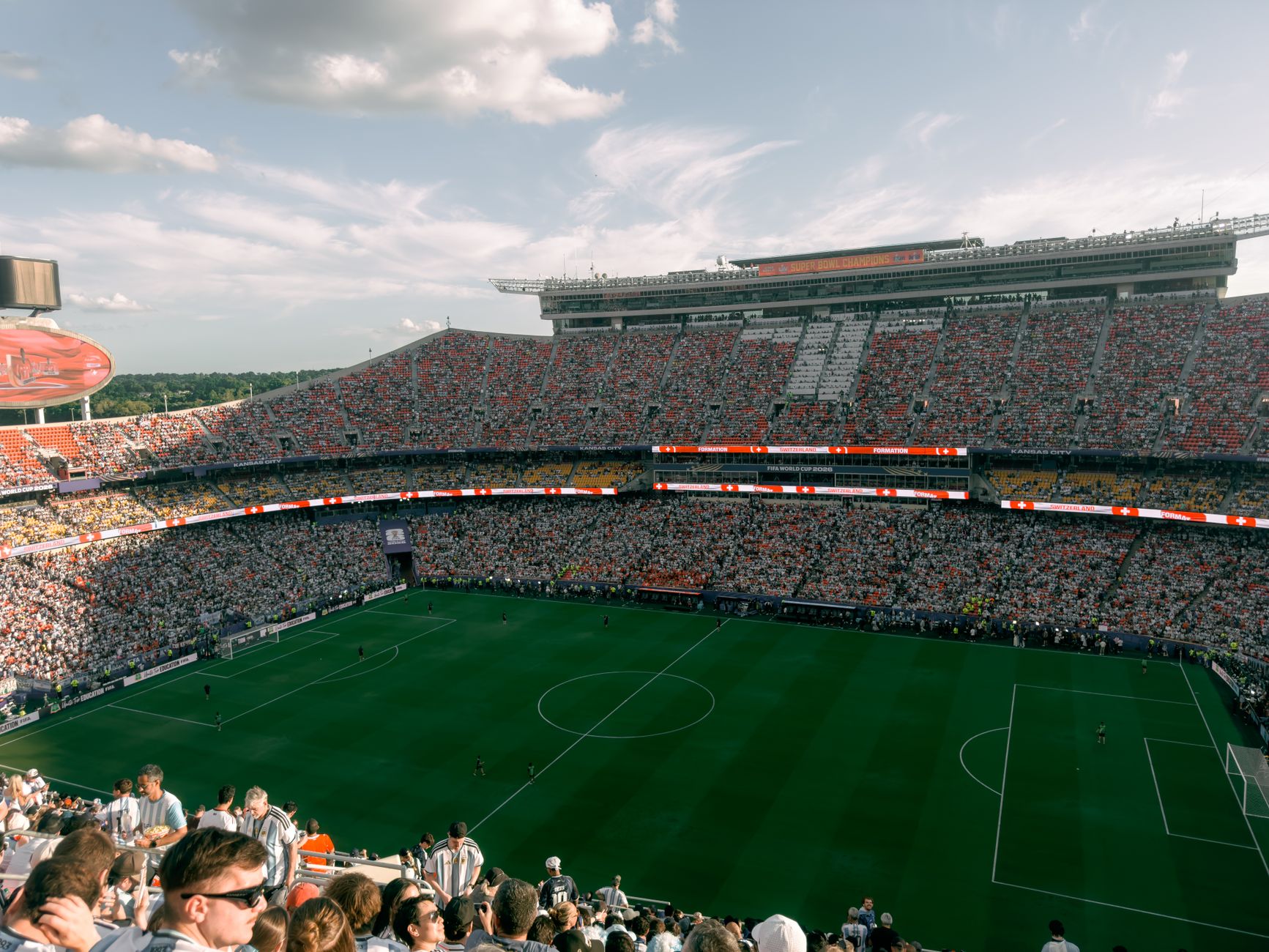
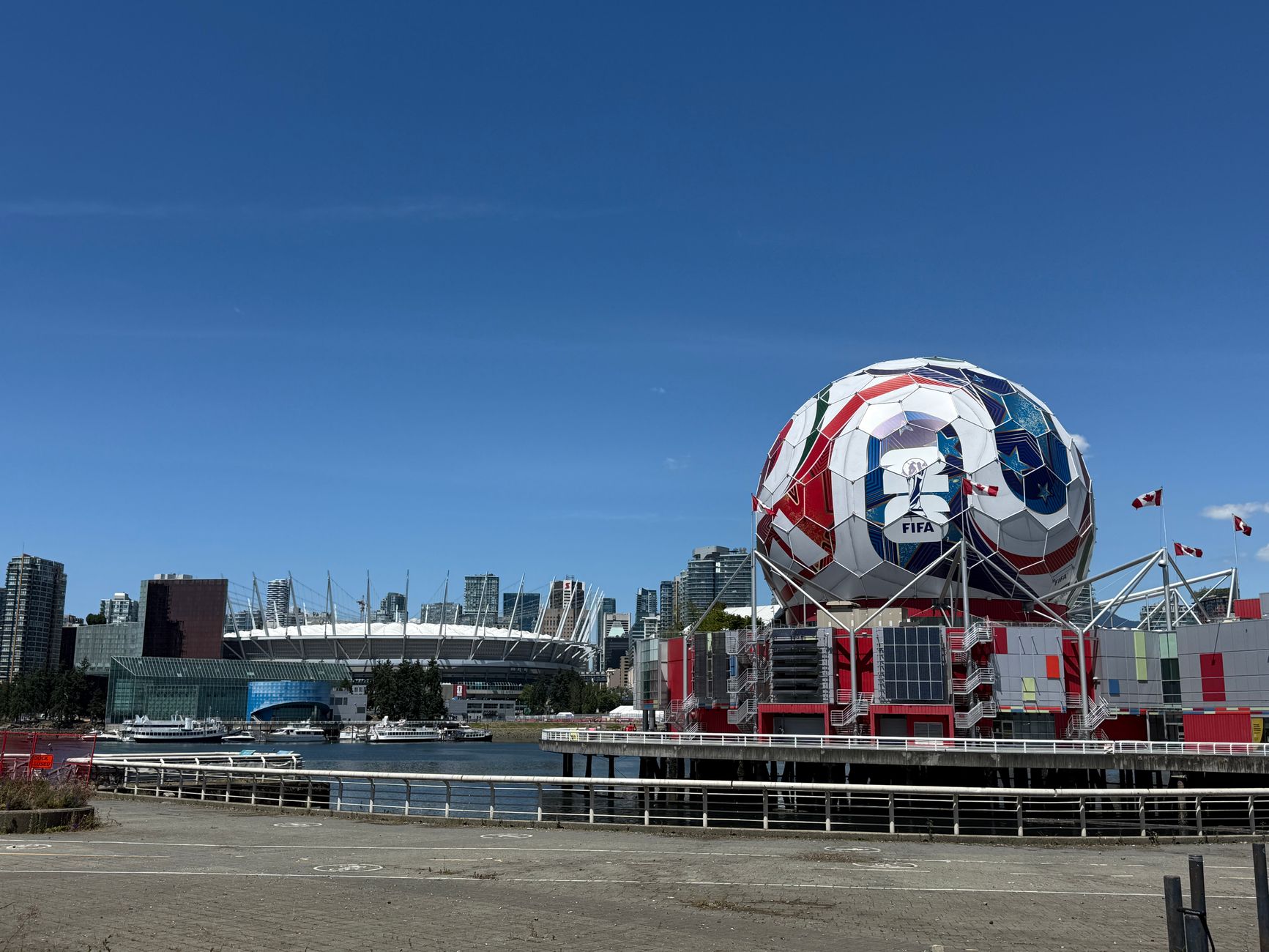
As the footballing world turns its attention toward North America for the expanded 2026 FIFA World Cup, anticipation has reached a fever pitch. Hosted across sixteen iconic venues in the United States, Canada, and Mexico, the upcoming tournament promises to be the largest and most competitive spectacle in sporting history. Yet, amid the expanded 48-team field and the unpredictable nature of knockout football, one national team stands unmistakably above the rest as the consensus favorite to lift the famous gold trophy: France.
Les Bleus enter this World Cup cycle in an enviable position. Combining an unmatched concentration of elite talent, seasoned tournament leadership, and a structural player pipeline that remains the envy of global football, the French national team represents the gold standard of modern international sports. While contenders like Argentina, England, Brazil, and Spain boast undeniable quality, none possess the sheer depth, tactical adaptability, and big-stage composure that head coach Didier Deschamps has cultivated within the French setup.
With global superstar Kylian Mbappé operating at the absolute peak of his athletic powers, supported by a world-class defensive spine and a midfield overflowing with technical athleticism, France is uniquely equipped to navigate the grueling expanded tournament format. As experts and fans analyze the road to 2026, the prevailing narrative is clear: stopping France will require nothing short of a monumental effort from any opponent bold enough to challenge their dominance.
Background & Context
France’s status as the preeminent force in international football is built upon a quarter-century of sustained excellence. Since securing their first World Cup title on home soil in 1998, Les Bleus have reached four of the last seven World Cup finals—winning twice (1998 and 2018) and finishing as narrow runners-up in 2006 and 2022. Their agonizing penalty shootout loss to Argentina in Qatar served not as the end of an era, but rather as proof of their incredible resilience, having fought back from the brink of defeat behind a breathtaking hat-trick from Mbappé.
Central to this prolonged era of success is the legendary national academy infrastructure centered at Clairefontaine, coupled with an unmatched talent identification network across the Parisian suburbs and major French clubs. This system ensures that when veteran stalwarts step aside, world-class replacements are immediately ready to step into the international limelight. The seamless transition from the generation of Hugo Lloris, Raphael Varane, and Olivier Giroud to a new wave of elite performers has kept France consistently ranked at the pinnacle of FIFA's global standings.
Furthermore, France's modern dominance has persevered through shifting political and organizational landscapes surrounding global sports. Even as headlines outside the pitch dominate headlines—ranging from political commentary like Donald Trump Issues 'Terrible Mistake' Warning over World Cup 2026 to broader administrative debates—the French squad has maintained an unmatched level of professional concentration. Under Didier Deschamps, the national team functions as a well-oiled machine, insulated from external noise and singularly focused on tactical execution and physical performance.
Key Details & Analysis
From a tactical perspective, France’s greatest strength lies in their remarkable fluidity and structural flexibility. Deschamps has never been an ideological purist; instead, he crafts systems designed to exploit opponent weaknesses while maximizing his squad's vertical speed and transition lethality. Whether deploying a classic 4-3-3, a compact 4-2-3-1, or shifting into a asymmetric back-three during in-game adjustments, Les Bleus move between defensive solidity and explosive attacking transitions with terrifying speed.
The statistical profile of the French national team over recent qualification and international cycles underscores their outright dominance. France has won over 75% of their competitive matches across the past twelve months, maintaining an extraordinary average goal differential of +2.5 per game. Their underlying metrics reveal a team that excels in high-percentage shot generation while severely restricting high-value clear-cut chances against their own defense. This balance is driven by a elite defensive core featuring Arsenal defender William Saliba, Liverpool's Ibrahima Konaté, and AC Milan goalkeeper Mike Maignan, who has comfortably assumed the mantle as one of the world's most complete shot-stoppers.
In the center of the pitch, France possesses an engine room that combines press-resistant passing with incredible athletic coverage. The midfield pairing of Real Madrid duo Aurélien Tchouaméni and Eduardo Camavinga allows France to control the tempo of play while insulating the backline against counter-attacks. Up front, the focal point remains Kylian Mbappé, whose individual brilliance continues to reshape international record books. Supported by creative maestro Antoine Griezmann and dynamic wide threats like Bradley Barcola and Ousmane Dembélé, the French attacking unit is virtually impossible to shut down over ninety minutes. Media coverage detailing Mbappé’s relentless goalscoring form, such as reports highlighting how 3 Golden Boots, 1 Season: Mbappé is Unstoppable! 🐐🤯 #shorts #trending, reinforces the notion that France carries the single most lethal offensive player in world football today.
Expert Perspective
Soccer pundits and sports analysts globally are unanimous in their assessment of France's theoretical and practical advantages heading into 2026. The key differentiator highlighted by experts is Didier Deschamps' managerial longevity and squad management mastery. Managing high-profile dressing rooms in international football often leads to ego clashes or tactical fragmentation, as seen in past French World Cup campaigns like the notorious 2010 collapse. However, Deschamps has established a culture of collective discipline, clear hierarchy, and shared tactical purpose that turns vast talent into cohesive winning performances.
Leading international sports broadcasters like ESPN Football frequently emphasize that France’s secondary unit—their theoretical "B-team"—would likely qualify as top-ten tournament favorites in their own right. If a key starter suffers an injury during the grueling club calendar leading into summer 2026, France can call upon substitutes who play starting roles for UEFA Champions League contenders. This level of squad depth is unmatched by any rival nation, giving France an immense structural cushion over the course of a multi-week international tournament.
Pundits also note that France's adaptability makes them nearly immune to specific tactical counter-strategies. While teams like Spain rely on overwhelming possession or South American powerhouses rely on emotional momentum and high-intensity pressing, France can win via multiple game scripts. They are equally comfortable controlling 65% of possession against low-block defenses as they are soaking up pressure and destroying open opposition with clinical, lightning-fast counter-attacks.
Furthermore, analysts monitoring governance and logistics note that French management handles organizational shifts better than most. Amid broader institutional debates, such as those analyzed in stories covering how Trump defends Infantino as UEFA-led schism with FIFA deepens - The Jap, the French Football Federation (FFF) maintains elite high-performance logistics. Their operational consistency ensures that players transition smoothly from grueling domestic club seasons into tournament host cities across North America with minimal friction.
Impact & Implications
The status of France as clear favorites carries significant implications for how the 2026 tournament will unfold, particularly under the newly expanded 48-team format. With nations now required to navigate a Round of 32 knockout stage—adding an extra game to the traditional tournament path—physical endurance and bench depth become paramount. Teams with thin squads risk burnout or key suspensions down the stretch, whereas France's ability to rotate high-caliber players during the group stages without dropping points provides a decisive competitive edge.
France’s presence at the top of the favorite board also alters the psychological landscape for prospective opponents. In group stage draws and potential knockout bracket paths, rival nations actively seek to avoid France's side of the draw. This intimidation factor often causes opposing managers to abandon their typical attacking principles in favor of ultra-defensive setups, which frequently plays directly into France's hands by allowing them to dictate tempo and pin opponents deep within their own defensive third.
Moreover, France's dominant standard forces other traditional powerhouses to adapt their own squad construction strategies. Competitors like Brazil, England, and Germany have spent recent international cycles retooling their midfields and defensive transitions specifically to contain the rapid verticality that France executes so effortlessly. In essence, Les Bleus have become the tactical baseline against which all serious World Cup contenders must measure themselves.
Looking Ahead
As the countdown to June 2026 continues, the primary task for Didier Deschamps and his coaching staff will be managing player workload and navigating the competitive European international calendar. Between UEFA Nations League fixtures, European Championship qualifiers, and intense domestic league schedules across Europe's top five leagues, preserving the physical freshness of key figures like Mbappé, Saliba, and Tchouaméni will be vital.
Key Milestones on the Road to World Cup 2026:
UEFA Nations League & World Cup Qualifiers: Establishing tactical cohesion, integrating rising young talent like Warren Zaïre-Emery, and solidifying defensive partnerships.
North American Logistics Planning: Selecting high-altitude and climate-controlled base camps in host countries to prepare for diverse environmental conditions ranging from Mexico City's altitude to summer heat in North American venues.
Roster Finalization: Trimming down an exceptionally competitive player pool to the final 26-man squad, balancing veteran experience with youthful energy.
Fans eager to track match schedules, ticket allocations, and official tournament guidelines can consult official resources hosted on FIFA's Official Tournament Platform as qualified nations finalize their preparations. For France, every match between now and the opening kickoff serves as a stepping stone toward a singular objective: securing their third World Cup victory in three decades and cementing their era as one of the greatest dynasties in international football history.
Conclusion
In summary, France enters the 2026 FIFA World Cup cycle not merely as one contender among many, but as the benchmark of excellence in modern international soccer. Their combination of generational attacking talent, impenetrable squad depth, tactical flexibility, and proven tournament pedigree makes them the definitive team to beat across the USA, Canada, and Mexico.
While the unpredictable nature of single-elimination knockout football means that guarantees never exist, all logical indicators point toward Les Bleus making another deep run at glory. Under the steady hand of Didier Deschamps and the brilliant leadership of Kylian Mbappé, France possesses all the necessary ingredients to conquer the largest World Cup in history and write yet another glorious chapter in their storied footballing legacy.