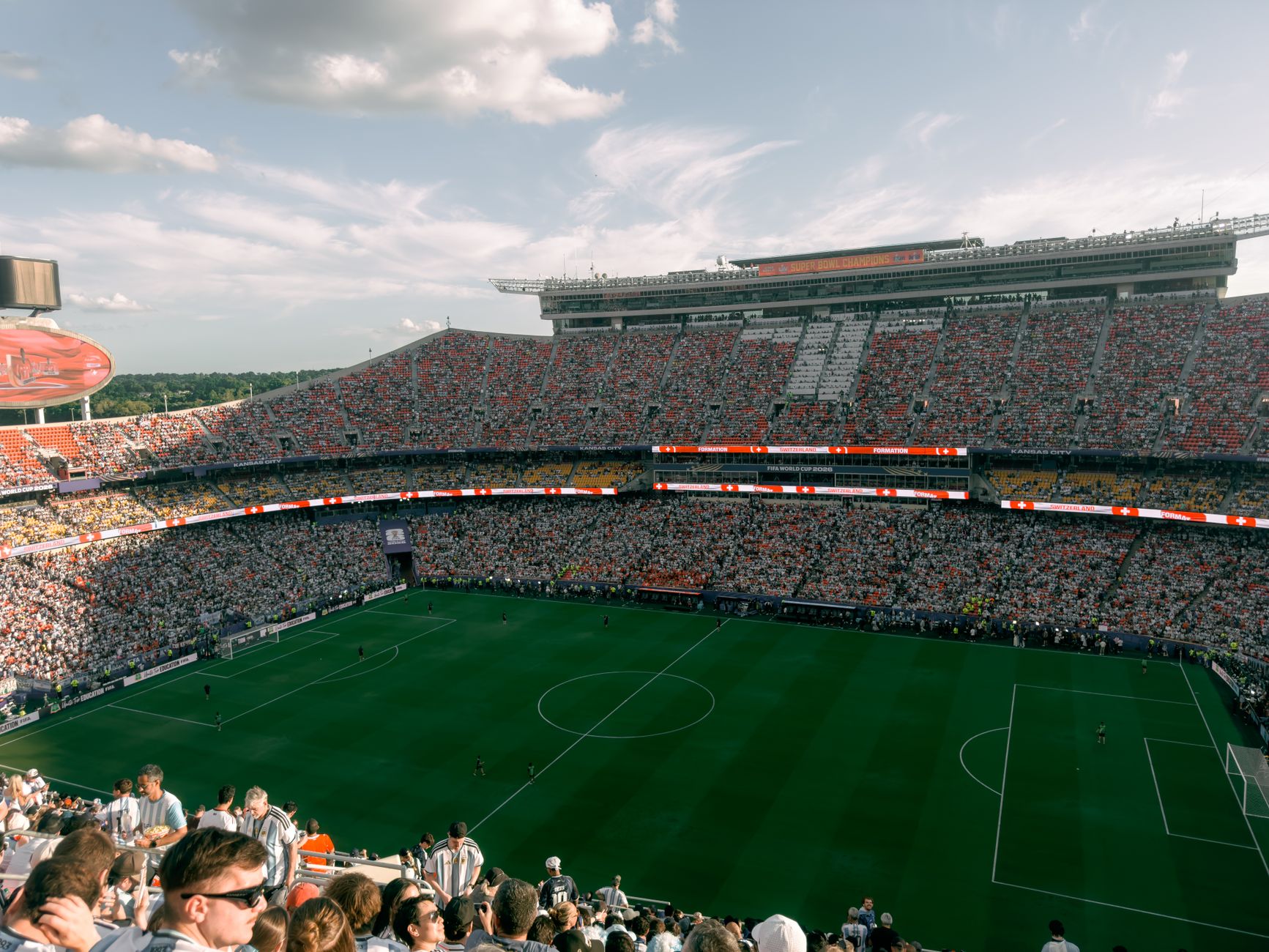
The US is set to host the 2031 Women's World Cup, according to a Trump official. Read our detailed analysis on logistics, expert views, and tournament impact.
Introduction
The global football landscape has been rocked by a major development as the United States looks poised to secure yet another crown jewel of international sports. According to a recent report by Politico, an official from the Trump administration has announced that the United States is set to host the FIFA Women's World Cup in 2031. This revelation has sent shockwaves of excitement and intense curiosity through the international soccer community, capturing the attention of fans, pundits, and governing bodies alike. Coming at a time when the world's focus is already trained on North American soil, this announcement adds another layer of long-term ambition to the region's rapidly growing soccer footprint.
Currently, the attention of the global sports world is firmly fixed on the ongoing 2026 FIFA World Cup, an event that is already redefining the commercial and cultural scale of international football. The buzz surrounding the current tournament is unprecedented, with fans not only dissecting tactical masterclasses on the pitch but also marveling at the massive entertainment spectacles surrounding the matches. For instance, supporters looking for a blend of world-class sport and pop culture can find out How to Watch World Cup 2026 Halftime Show Performances Live, highlighting how the tournament has evolved into an entertainment behemoth. It is within this high-octane atmosphere that the prospect of the 2031 Women's World Cup has emerged, promising to elevate the women's game to a level of exposure and organizational grandeur never seen before.
While the announcement by the Trump administration official has been met with immense enthusiasm, it also raises critical questions regarding the formal bidding process and FIFA's official timeline. Typically, the selection of a host nation involves a rigorous, multi-year bidding process overseen by FIFA's member associations. However, the early declaration from Washington suggests strong government backing and a proactive diplomatic push to secure the tournament. As the United States prepares to deliver a world-class sporting experience, this early announcement signals to the rest of the world that North America intends to remain the undisputed epicenter of global soccer for the next decade.
Background & Context
To understand the significance of the United States hosting the 2031 Women's World Cup, one must look at the nation's rich history with the tournament. The United States has previously hosted the competition twice, first in 1999 and again in 2003. The 1999 edition remains a watershed moment in the history of women's sports. It was a tournament that shattered attendance records, captured the imagination of the American public, and culminated in Brandi Chastain’s iconic penalty shootout celebration at the Rose Bowl. That tournament proved that women's soccer was not just a niche sport but a highly viable, commercially lucrative spectacle capable of packing NFL-sized stadiums.
Since those early editions, the global landscape of women's football has undergone a massive transformation. The standard of play has skyrocketed, domestic leagues like the National Women's Soccer League (NWSL) in the US and the Women's Super League (WSL) in England have professionalized rapidly, and international powerhouses have emerged across Europe, South America, and Asia. The 2023 tournament in Australia and New Zealand demonstrated that the gap between the traditional elite and emerging nations has closed significantly. Therefore, a return to the United States in 2031 is expected to break new ground, potentially featuring an expanded field of teams and utilizing the state-of-the-art stadiums built and renovated for the NFL and the 2026 men's tournament.
This news breaks amidst the thrilling backdrop of the current 2026 tournament, which has already delivered some of the most memorable matches in modern football history. Fans are currently gripped by the intense rivalry and high-stakes drama of the knockout stages. The anticipation is reaching a fever pitch, particularly for the monumental semifinal clash between two footballing giants. Millions of fans worldwide are scrambling to secure their viewing arrangements, looking to access the England vs Argentina LIVE: Watch World Cup 2026 semi-final stream, sco to witness history in the making. The success of these high-profile matches serves as a powerful reminder of the logistical capability and fan passion that the United States, along with its co-hosts, brings to the global stage.
Key Details & Analysis
While the political announcement has set the stage, the technical and logistical execution of a tournament of this magnitude will require meticulous planning. Hosting a modern World Cup is an incredibly complex undertaking that demands billions of dollars in infrastructure investment. Although the United States boasts some of the finest sporting arenas in the world, organizing committee officials will need to ensure that training facilities, transport networks, and hospitality sectors are fully optimized. The lessons learned during the current 2026 tournament will undoubtedly serve as a crucial blueprint for the 2031 event, helping organizers refine everything from crowd control to media operations.
One of the most critical logistical hurdles for any host nation is urban mobility and public transportation. Managing the influx of millions of international visitors requires seamless coordination between municipal governments and transit authorities. This challenge is already a major focus of the current tournament's organizers, who have had to implement unprecedented measures to handle the massive crowds. For example, authorities have announced that the World Cup Final Public Transit Starts Earlier for Closing Ceremony to accommodate the wave of spectators traveling to the stadium. Similar, if not more advanced, transit strategies will need to be developed for the 2031 tournament to ensure that fans can travel safely and efficiently between host cities spread across multiple time zones.
From a sporting and tactical perspective, the 2031 Women's World Cup will likely showcase a highly evolved version of the game. Modern women's football is characterized by intense physical conditioning, sophisticated high-pressing tactical systems, and a rapid transition game. Teams like the United States, Spain, England, and Germany are constantly pushing the boundaries of sports science and tactical analysis. By 2031, we can expect to see a generation of players who have benefited from fully professionalized youth academies from an early age, leading to an even higher level of technical proficiency and tactical intelligence on the pitch.
Expert Perspective
Football analysts and industry experts have reacted to the Politico report with a mixture of excitement and pragmatic caution. Many pundits view the announcement as a massive coup for US Soccer, cementing the country’s status as the premier destination for major sporting events. "The commercial potential of a Women's World Cup in the United States is unmatched," notes sports business analyst Harvey Deming. "When you look at the growth of the NWSL, the corporate sponsorship interest, and the existing stadium infrastructure, the US is the safest and most lucrative bet for FIFA. However, the political nature of this announcement is unusual, as FIFA typically guards its bidding processes very closely."
According to reports from BBC Sport, European football officials are also watching the developments closely. Several European nations have expressed interest in hosting future iterations of the tournament, and a unilateral push by the United States could spark intense diplomatic maneuvering within FIFA's executive committee. Coaches and technical directors have also weighed in, emphasizing the sporting benefits of playing in the US. The availability of world-class training facilities and MLS-grade pitches means that players will have the ideal environment to perform at their absolute peak, reducing travel fatigue and injury risks during the grueling tournament schedule.
Meanwhile, fan reactions across social media and supporter groups have been overwhelmingly positive. The prospect of hosting the tournament has reignited the passion of the American soccer fanbase, which has grown exponentially over the last decade. Supporters are already dreaming of packing iconic venues like MetLife Stadium, SoFi Stadium, and the Mercedes-Benz Stadium. The cultural impact of having the world's best female athletes competing on American soil cannot be understated, as it will undoubtedly inspire the next generation of young girls and boys to take up the sport, further fueling the grassroots soccer boom in North America.
Impact & Implications
The implications of hosting the 2031 Women's World Cup extend far beyond the pitch. Culturally and socially, the tournament will provide a massive platform to advocate for gender equality, equal pay, and increased investment in women's sports globally. The US Women's National Team (USWNT) has long been at the forefront of these social movements, and hosting the tournament will amplify their voice on a global scale. It will also force domestic broadcasters and corporate sponsors to commit unprecedented financial resources to the women's game, setting a new benchmark for how women's sporting events are valued and commercialized.
Commercially, the tournament is expected to generate billions of dollars in economic activity. Hotels, restaurants, tourism agencies, and local businesses across the host cities will experience a massive economic boom. The financial success of the ongoing 2026 tournament has already demonstrated the immense earning power of soccer in North America. To get a sense of the sheer scale of the current tournament, one can look at the 2026 FIFA World Cup: Stat-Stuffed Headlines and Expert Analysis, which details the record-breaking numbers, television ratings, and financial windfalls generated by the event. The 2031 tournament will look to replicate and build upon this commercial success, establishing new records for merchandise sales, ticket revenue, and digital engagement.
Furthermore, the sporting implications for the USWNT are profound. As the host nation, the United States would gain automatic qualification, allowing the coaching staff to bypass the pressure of qualification matches and focus entirely on building a squad capable of winning the trophy on home soil. This long-term planning horizon will allow US Soccer to integrate promising youth prospects into the senior national team setup gradually, ensuring a smooth transition of power from the aging veterans to the stars of tomorrow. The pressure to win on home soil will be immense, but it is a challenge that the American team has historically embraced and conquered.
Looking Ahead
As the football world digests this breaking news, the immediate focus remains on the thrilling conclusion of the current cycle. The drama of the ongoing tournament continues to captivate global audiences, with tactical innovations and individual brilliance dominating the headlines. For fans who want to immerse themselves in the tactical nuances of these historic matchups, virtual simulations and eSports platforms have provided a fascinating parallel experience. Enthusiasts can explore the virtual recreation of the tournament's most anticipated fixture by checking out the England vs Argentina | World Cup 2026 - Semifinal | eFootball PES 2021, showcasing how digital media is bridging the gap between real-world action and interactive gaming.
Over the coming months, the focus will gradually shift toward FIFA's official channels for confirmation of the 2031 hosting rights. The US Soccer Federation is expected to work closely with government officials to finalize the formal bid book, detailing the proposed host cities, stadium capacities, security protocols, and environmental sustainability initiatives. According to official updates on FIFA.com, the governing body will conduct rigorous site inspections and evaluations before officially ratifying the host nation. This process will require intense collaboration between local organizing committees and international delegates to ensure all criteria are met.
In the meantime, international teams will begin their long-term preparation strategies for the 2031 cycle. Scout networks will be expanded, youth development programs will receive increased funding, and national associations will attempt to schedule friendly matches in the United States to acclimatize their squads to the American climate and travel conditions. The road to 2031 has officially begun, and every training session, tactical adjustment, and international fixture from this moment forward will be viewed through the lens of preparing for the ultimate showcase in the United States.
Conclusion
The announcement that the United States is set to host the 2031 Women's World Cup marks a historic milestone in the evolution of global soccer. It solidifies North America's position as the dominant force in sports entertainment and guarantees a golden decade of soccer in the region, spanning from the 2026 Men's World Cup to the 2028 Los Angeles Olympics, and culminating in the 2031 women's showcase. This continuous run of major tournaments will permanently alter the sporting culture of the United States, cementing soccer's status as a mainstream powerhouse sport alongside American football, basketball, and baseball.
While logistical challenges, political negotiations, and administrative hurdles lie ahead, the overwhelming sentiment is one of profound optimism. The United States has proven time and again that it possesses the vision, resources, and passion to deliver spectacular sporting events that capture the heart of the global audience. As the technical preparations begin and the countdown to 2031 commences, fans can look forward to a tournament that will not only celebrate the incredible athletic achievements of the world's best players but also inspire millions of people around the globe, leaving a lasting legacy that will shape the beautiful game for generations to come.
2031 Women's World Cup US hostTrump official World Cup announcementUSWNT hosting 2031 World CupFIFA World Cup 2026 logisticswomen's football growth USUS Soccer World Cup bid