MLS seeks jeopardy and momentum after the World Cup. The historic Lamar Hunt U.S. Open Cup provides authentic knockout drama for American soccer.
Introduction
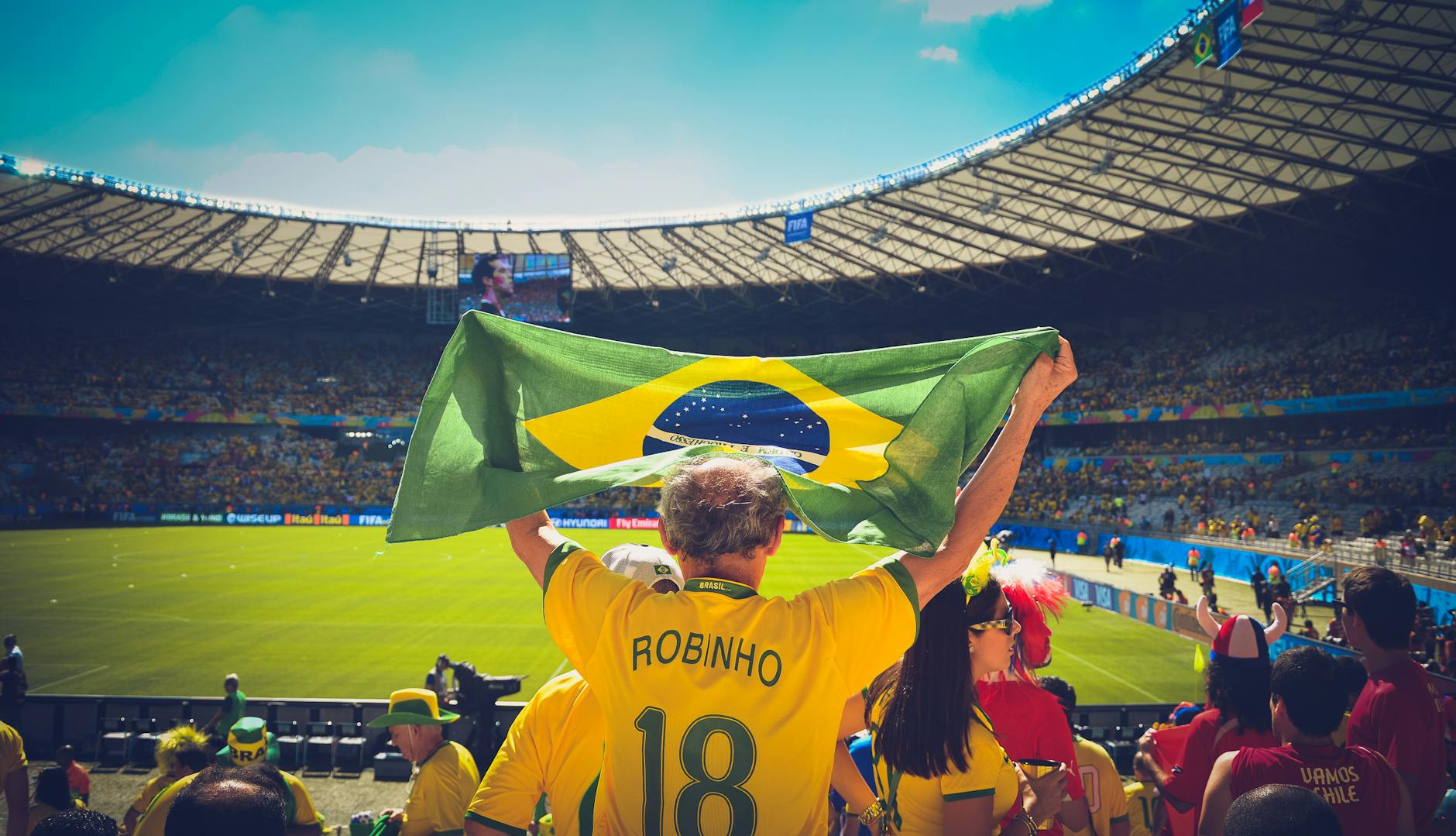
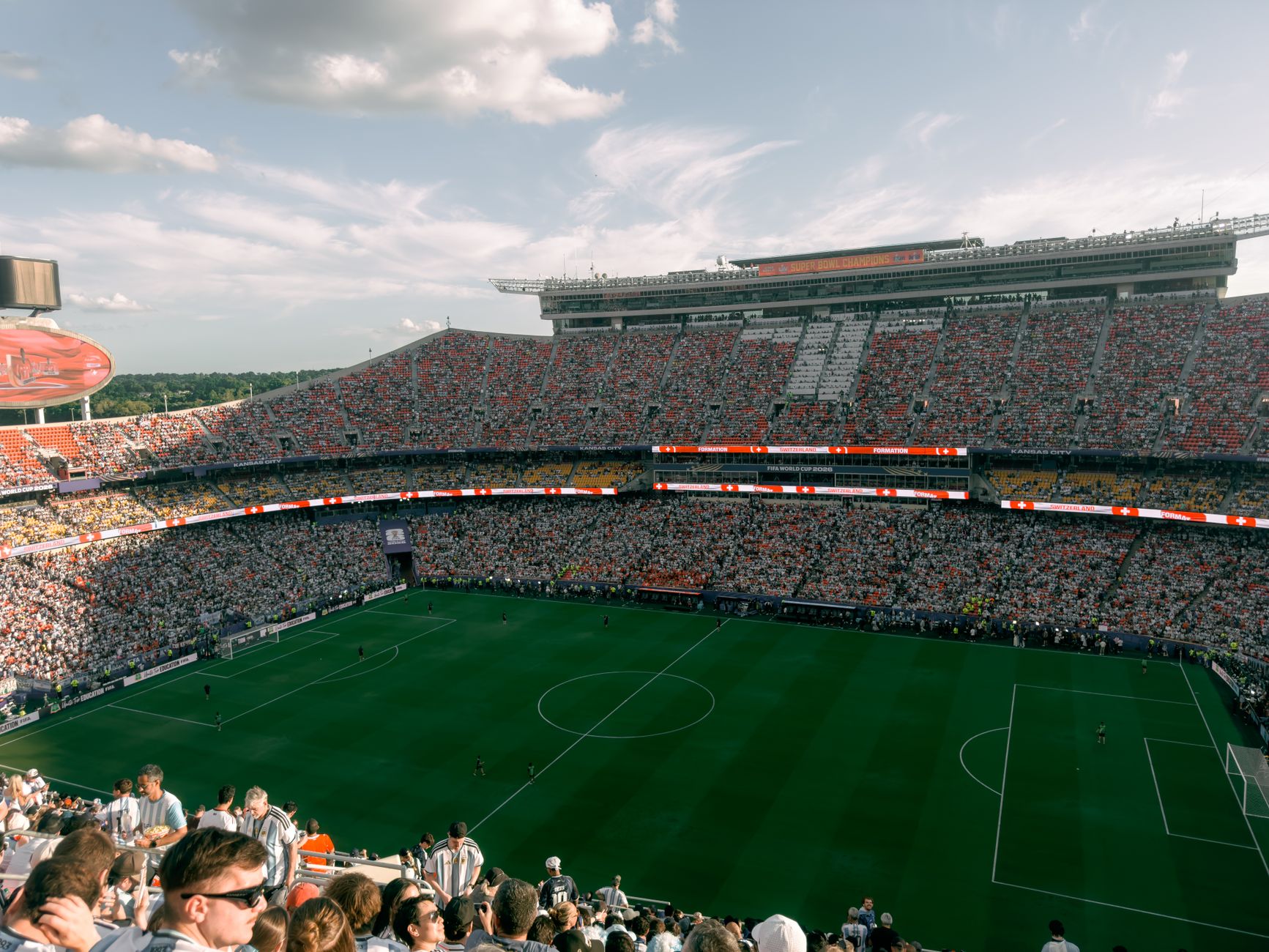
As the dust settles on the international stage following the landmark tournament across North America, the fundamental question facing the United States soccer ecosystem is how to translate historic global attention into sustained domestic passion. Major League Soccer executives and federation leaders have openly discussed the necessity of capturing the lightning-in-a-bottle momentum generated by the world’s biggest sporting event. When new MLS commissioner Larry Berg addressed the media in his inaugural press conference, he acknowledged that American supporters are hungry for genuine consequence. While firmly dismissing the implementation of promotion and relegation, Berg highlighted the essence of tournament soccer: the sheer exhilaration of knockout fixtures where everything hangs in the balance.
Berg noted that millions of fans across the continent fell in love with the unfiltered drama, raw supporter culture, and high-stakes tension of elimination matches during the World Cup. He termed these decisive showdowns "games of consequence or games of jeopardy." Yet, as the league explores novel playoff formats and bespoke regional cups to manufacture this intensity, a glaring irony emerges. American soccer does not need to invent an artificial vehicle for high-stakes drama; it already possesses one of the oldest and most romantic knockout tournaments in world football: the Lamar Hunt U.S. Open Cup.
Operating continuously since 1913, the U.S. Open Cup predates the FIFA World Cup itself by seventeen years. It stands as a unique, democratic battleground where amateur pub teams, semi-pro outfits, lower-division strivers, and multi-million-dollar MLS franchises collide on equal terms. In an era where global sports governance faces intense scrutiny over commercialization—a debate explored in depth regarding whether the FIFA World Cup 2026: Should It Belong to Fans or Super-Rich Investors?—the Open Cup represents the authentic soul of the domestic game. If American soccer truly desires meaningful jeopardy in the post-World Cup era, revitalizing and fully embracing its historic national championship is the most logical and powerful path forward.
Background & Context
The U.S. Open Cup occupies a sacred place in North American sports history, surviving the Great Depression, two World Wars, and the collapse of multiple professional leagues including the original North American Soccer League (NASL). Modeled on the venerable English FA Cup, Germany’s DFB-Pokal, and Spain’s Copa del Rey, the competition provides an open-entry pyramid in a country otherwise defined by closed, franchise-based sports models. From legendary industrial dynasties like Bethlehem Steel in the 1910s to Maccabi Los Angeles in the 1970s and the Rochester Raging Rhinos' famous title in 1999, the tournament has woven the fabric of American soccer long before modern expansion franchises emerged.
Despite its rich heritage, the modern era has seen the Open Cup marginalized by commercial realignments. For years, the commercial and broadcast rights were managed under the umbrella of Soccer United Marketing (SUM), the marketing arm founded by MLS. Under this structure, the domestic cup often received minimal promotional investment, sparse television slots, and little fanfare outside dedicated grassroots communities. By 2023, however, the competition experienced an unprecedented renaissance. A record 71 professional teams entered the fold, broadcast visibility improved under direct U.S. Soccer Federation (USSF) management, and global icon Lionel Messi led Inter Miami to the final, thrusting the tournament onto the international stage.
Yet that breakthrough was immediately threatened by institutional conflict. Following the launch and rapid commercial expansion of the Leagues Cup—a month-long tournament contested between MLS and Liga MX—MLS leadership attempted to withdraw first-team participation from the 2024 U.S. Open Cup, proposing to send developmental MLS NEXT Pro reserve teams instead. The unilateral move sparked widespread outrage among supporters' groups, the United Soccer League (USL), and independent clubs nationwide. A tense compromise ultimately permitted only a select cohort of MLS first teams to compete alongside developmental squads, fracturing the tournament’s integrity and exposing a growing philosophical divide within the American game.
Key Details & Analysis
The tactical and cultural dynamics of the U.S. Open Cup provide precisely the variety and unpredictability that a standard 34-game league season cannot replicate. In a standard league format, tactical conservatism frequently prevails due to the safety net of long-term table positions and extensive playoff qualification thresholds. In contrast, the single-elimination format of the Open Cup forces head coaches to navigate hostile environments, compressed preparation windows, and high-risk tactical dilemmas against opponents with entirely contrasting stylistic profiles.
Tactically, the competition regularly features clashes between highly structured, possession-heavy MLS sides and pragmatic, high-intensity lower-league teams operating in compact 4-4-2 or 5-3-2 low-block setups. Amateurs and USL Championship outfits capitalize on physical duels, direct transitions, and set-piece efficiency, exploiting the complacency of top-tier sides that are often forced to rotate their squads. The lack of familiar video analytics on semi-pro opposition frequently levels the playing field, creating chaotic, end-to-end spectacles that embody the "jeopardy" modern league executives profess to crave.
Recent editions of the tournament have produced unforgettable underdog narratives that captured the imagination of football fans worldwide. San Francisco’s El Farolito SC, an amateur team founded in 1985 by the owners of a local Mission District burrito restaurant, repeatedly dismantled fully professional opponents, proving that tactical discipline and passion can overcome vast financial disparities. Similarly, USL Championship club Sacramento Republic FC embarked on a historic run to the 2022 Open Cup Final, knocking off MLS powerhouses San Jose Earthquakes, LA Galaxy, and Sporting Kansas City en route to the showpiece match.
The individual drama generated in these matches carries genuine professional consequence. When star-laden squads face elimination against underfunded rivals, the pressure is immense. Even elite rosters with World Cup winners can falter under the unique pressures of domestic cup ties, a reality seen when tactical disruptions cause unexpected collapses, similar to when a Lionel Messi Penalty Miss: Nashville SC Thrash Inter Miami 3-1 exposed vulnerabilities in a high-profile squad during critical competitive fixtures. The statistical profile of the Open Cup over the last five years demonstrates a steady increase in lower-league progression rates, with USL Championship teams winning more than 30% of their head-to-head encounters against MLS opposition when hosting matches.
Expert Perspective
Coaches, tacticians, and sports historians across the soccer landscape have consistently argued that true sporting culture cannot be manufactured through artificial postseason modifications. Analysts at major outlets like ESPN have frequently pointed out that the magic of global football lies in the threat of catastrophic failure and the possibility of miraculous triumph. When top-flight clubs are shielded from competitive jeopardy against their regional neighbors, the entire domestic pyramid suffers from developmental stagnation.
Supporters across the country have mobilized vigorously to defend the Open Cup's status. Independent supporters' groups formed coordinated protests, boycotting Leagues Cup matches and displaying prominent banners demanding full MLS first-team participation in the national championship. Pundits have stressed that while modern league marketing departments pursue closed-circuit revenue models, authentic fan loyalty is forged through historic rivalries and David-versus-Goliath encounters that resonate with local communities.
Furthermore, international observers point out that the tensions within American soccer mirror global battles over congested match calendars. As governing bodies expand international tournaments, domestic cup traditions worldwide are under threat from executive overreach. Administrative discord has become a defining theme in contemporary football, highlighted on a global scale when a Top Official Quits FIFA Over Infantino World Cup 2026 Plans amid disputes over tournament proliferation and domestic league balance. In the United States, the USSF holds the regulatory authority under FIFA statutes to mandate national cup participation, placing federative leaders at a critical philosophical crossroads.
Impact & Implications
The trajectory of the U.S. Open Cup carries profound implications for the broader American soccer landscape. Chief among these is the direct qualification route the tournament provides to the CONCACAF Champions Cup. By retaining an independent pathway to continental competition, the Open Cup grants lower-tier clubs an avenue to compete against North and Central America’s elite, bypassing the closed financial barriers of franchise entry fees. A victory in the Open Cup remains the most direct route for an underdog to achieve international recognition.
From a player development perspective, the tournament offers unmatched competitive crucible conditions for young domestic talent. While reserve leagues provide controlled, sterile developmental minutes, Open Cup ties subject prospects to high-pressure, single-elimination environments in front of passionate away crowds. Many current United States Men's National Team (USMNT) players cut their teeth in gritty early-round Open Cup matches, learning to cope with tactical adversity and physical intimidation that regular academy fixtures cannot replicate.
Moreover, the ongoing debate over the cup highlights the commercial struggle between MLS and the rapidly expanding USL ecosystem. As the USL continues to build soccer-specific stadiums, expand its national footprint, and contemplate the implementation of promotion and relegation across its own divisions, the Open Cup serves as the primary direct benchmark of competitive quality between the rival structures. A thriving Open Cup validates the depth of American soccer, demonstrating that the sport's health extends far beyond the boardroom borders of a single closed-shop entity.
Looking Ahead
Looking into the future of the American soccer calendar, the post-World Cup environment provides an unparalleled commercial and cultural window to reposition the U.S. Open Cup as a premier sporting event. With millions of new supporters seeking year-round football following the international tournament, the USSF has the opportunity to rebrand the cup, secure expansive terrestrial and streaming broadcast agreements, and dramatically increase the prize purse for advancing teams.
To fully capitalize on this potential, organizers must address long-standing logistical hurdles. Key areas of anticipated focus include:
Equitable Hosting Criteria: Ensuring lower-tier clubs that meet basic venue standards host top-tier opposition, guaranteeing electric local atmospheres that translate dynamically on television broadcasts.
Prize Pool Expansion: Reallocating federation resources to offer transformative financial rewards for amateur and lower-division sides that achieve deep tournament runs.
Calendar Modernization: Establishing protected, dedicated midweek windows across the domestic calendar to prevent fixture congestion and eliminate club scheduling complaints.
Narrative-Driven Marketing: Actively storytelling the regional identities, community roots, and historic backgrounds of participating grassroots clubs.
If these structural improvements are executed effectively, the Open Cup can become the centerpiece of the American soccer summer, providing a consistent source of authentic drama that complements league play rather than conflicting with it. Pundits predict that public pressure and commercial maturity will ultimately force all top-tier stakeholders to field full-strength rosters, restoring the competition to its rightful stature.
Conclusion
Major League Soccer's quest to engineer continuous excitement and competitive jeopardy in the aftermath of North America's World Cup hosting duties is understandable. Yet, true sporting drama cannot be manufactured inside a boardroom through altered playoff structures or closed-shop summer exhibitions. It requires genuine stakes, historical resonance, and the ever-present threat of the unthinkable upset.
The Lamar Hunt U.S. Open Cup is not an outdated relic of the past; it is the most potent, authentic asset in American soccer’s arsenal. It represents the collective passion of hundreds of communities, bridging the gap between park-level amateurs and global superstars. By fully embracing, investing in, and protecting its oldest tournament, the United States can honor its rich football heritage while delivering the exact brand of unscripted jeopardy that supporters across the globe demand.