US host cities demand $200M in promised FIFA funding for the 2026 World Cup amid rising security, transit, and infrastructure costs. Read the breakdown.
US Host Cities Demand Promised FIFA Funding as 2026 World Cup Tension Reaches Boiling Point
The countdown to the 2026 FIFA World Cup is accelerating rapidly, with excitement reaching fever pitch across North America. However, behind the glossy promotional campaigns, state-of-the-art stadium renderings, and grand commercial promises, a bitter financial conflict is brewing between Zurich and local organizing committees across the United States. Host cities across the country are mounting organized pressure on global football’s governing body to deliver on long-overdue financial disbursements promised during the original bid process. With municipal budgets stretched thin and infrastructure deadlines looming, local leaders are demanding immediate clarity regarding the distribution of dedicated operational subsidies.
The core of the dispute centers around a combined figure exceeding $200 million in promised legacy and cost-offset funding intended to shield host municipalities from exorbitant local expenditures. While FIFA anticipates record-breaking revenues exceeding $11 billion from broadcast rights, sponsorship deals, and corporate hospitality for the expanded 48-team tournament, civic authorities in major metropolitan areas are finding themselves burdened with massive upfront costs for security, transit expansion, and fan zone infrastructure. The growing rift has reportedly sparked emergency discussions at the highest levels of global football governance, forcing Gianni Infantino Summons FIFA Leaders for World Cup Crisis Meeting to prevent public squabbling from souring the buildup to the sport's flagship event.
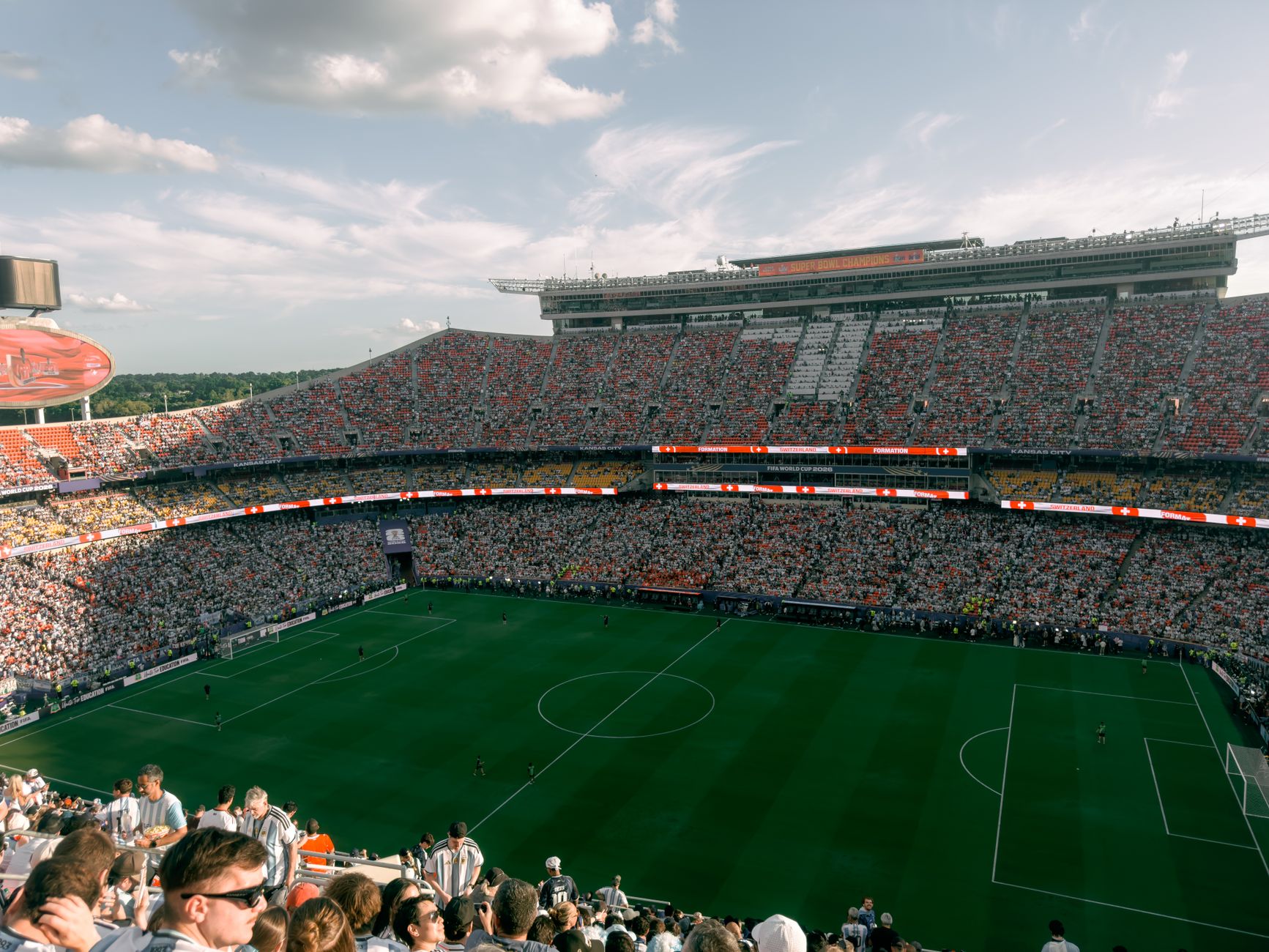
For American host cities—ranging from New York/New Jersey and Los Angeles to Dallas, Miami, and Kansas City—the frustration stems from a stark reality: unlike previous host nations where federal governments underwrote total operational costs, American cities rely heavily on local tax dollars, tourism surcharges, and regional sports commissions. As municipal leaders demand that FIFA honor its financial guarantees, the stand-off threatens to reshape how host venues prepare for the largest sporting spectacle in history.
Background & Context: The Anatomy of a World Cup Host City Agreement
To understand how the current conflict erupted, one must examine the unprecedented nature of the 2026 tournament structure. Awarded in 2018 under the joint "United 2026" banner comprising the United States, Canada, and Mexico, the tournament is the first in history to feature 48 national teams playing 104 matches across 16 venue clusters. Eleven of those host cities are located within the United States, hosting the lion's share of matches, including every fixture from the quarterfinal stage onward. This massive expansion represents a 50 percent increase in total fixtures compared to Qatar 2022, creating an administrative footprint never before seen in professional sports.
During the intense bidding process, FIFA established rigid Host City Agreements (HCAs) that required local host committees to guarantee stadium availability, clean commercial zones, tax exemptions, and extensive security overlays. In return, bid documentation outlined operational support funds, municipal cost-reimbursement frameworks, and legacy grants designed to ensure that host communities did not suffer economic harm. However, as the logistical reality of managing millions of visiting fans sets in, municipal authorities claim that FIFA has consistently shifted financial burdens onto local entities while strictly retaining exclusive commercial, ticketing, and marketing revenue streams.
This dynamic stands in sharp contrast to recent editions of the tournament. In Russia in 2018 and Qatar in 2022, central authoritarian or federal governments directly absorbed all municipal expenditures, underwriting stadium construction and public transit overhauls without requiring local city councils to balance budgets. In the United States, local sports authorities operate under strict fiscal oversight. As regional bodies finalize multi-million-dollar contracts for law enforcement, emergency services, crowd control, and transit, the absence of finalized FIFA disbursements has created severe budget shortfalls. The financial strain mirrors broader operational challenges across North American soccer, where high-profile summer events are straining stadium schedules and local infrastructure, as seen in The Stories That Could Define Leagues Cup 2026 - Leagues Cup.
Furthermore, local organizers point out that the cost of living and inflation inside the United States have surged significantly since the original bid was accepted six years ago. Expenses associated with police overtime, specialized counter-terrorism measures, temporary natural grass installations over artificial NFL turf, and airport logistics have skyrocketed by as much as 40 percent in certain major markets. Without FIFA converting verbal commitments into clear, accessible bank transfers, city leaders argue that local taxpayers are effectively subsidizing a multi-billion-dollar enterprise that yields unprecedented commercial margins for world football’s governing body.
Key Details & Analysis: The $200 Million Flashpoint and Operational Strain
At the heart of the standoff lies the contested $200 million allocation pool. Originally earmarked to assist municipal organizing committees with extraordinary operational expenses, this fund was designed to serve as a financial safety net for host regions. Host cities argue that FIFA pledged direct financial subsidies to offset public safety measures, public transit enhancements, and the setup of official FIFA Fan Festivals. However, administrative delays and disputes over expense eligibility have left local organizers without access to these funds, forcing city managers to divert local tax revenues or stall critical procurement contracts.
To fully grasp the scope of the problem, consider the immense operational demands placed on host venues. Stadiums such as MetLife Stadium in New Jersey, AT&T Stadium in Dallas, and SoFi Stadium in Los Angeles require multi-million-dollar temporary modifications to widen pitch dimensions and install pristine, natural grass surfaces capable of enduring weeks of elite international play. Beyond the stadium walls, city governments are responsible for securing miles of fan zones, transport hubs, and training sites. Law enforcement agencies in cities like Philadelphia and Seattle must deploy thousands of officers on extended overtime, with public safety costs alone estimated to exceed $30 million per host cluster.
According to reports covered by ESPN, several US mayors have privately threatened to scale down local fan zones and non-essential municipal services if FIFA fails to disburse the promised financial guarantees. The commercial restrictions imposed by FIFA add fuel to the fire: local host committees are barred from bringing in regional corporate sponsors that conflict with FIFA’s global partners. This leaves city authorities with virtually no avenues to generate independent revenue to cover their expanding expenditures.
The friction has created serious diplomatic fallout within CONCACAF and regional football federations. With regional administrators watching closely, concerns are mounting that administrative instability could undermine tournament delivery. The frustration has bubbled over into governance debates, with some regional leadership groups raising sharp questions, as detailed in reports regarding Concacaf countries considering withdrawing support for under-fire Gian. The table below outlines the primary cost centers confronting US host cities and the sources of financial tension:
Public Safety & Security Overtime: Specialized federal and municipal police deployment, drone defense, and crowd management costs currently borne by local police budgets.
Stadium Conversions & Pitch Care: Removal of artificial turf and installation of advanced grow-light grass systems to satisfy strict FIFA pitch quality requirements.
Public Transportation Services: Operating round-the-clock light rail, shuttle fleets, and dedicated transit corridors to transport over 100,000 international visitors per match day.
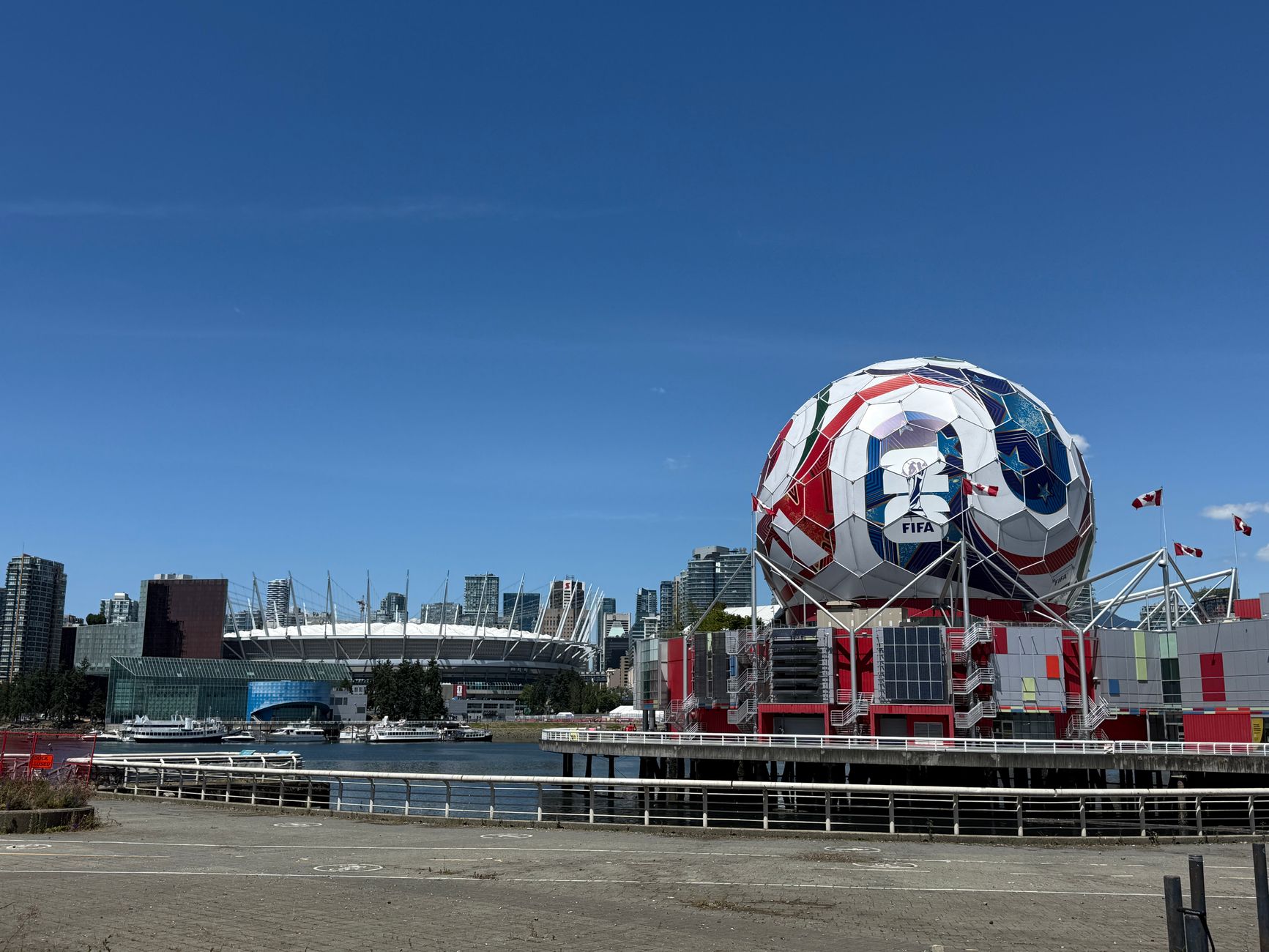
FIFA Fan Festival Infrastructure: Construction, staging, security, and staffing for mandatory 30-day fan zones capable of hosting tens of thousands of ticketless supporters daily.
Clean Commercial Radius Enforcement: Suppressing local vendors and protecting FIFA’s exclusive intellectual property within multi-mile zones surrounding venues.
Expert Perspective: Municipal Economics vs. FIFA's Commercial Machine
Sports economists and legal experts specializing in major event hosting have long warned of the structural imbalance embedded in standard FIFA host agreements. While host cities absorb localized risks—ranging from transit gridlock to security threats—FIFA retains global broadcast revenues, primary ticketing proceeds, and central sponsorship yields. Analysts point out that American cities are particularly vulnerable because municipal finances are subject to rigorous public audit and voter scrutiny, making unbudgeted multi-million-dollar outlays politically dangerous for city officials.
Prominent sports finance experts emphasize that the commercial parameters enforced by Zurich often severely restrict local flexibility. "Host cities enter these arrangements on the promise of massive economic impact," notes one prominent sports venue consultant. "However, when FIFA restricts local sponsorship opportunities, demands total tax immunity, and insists that municipal governments cover security and transport without firm cost-sharing guarantees, the economic equation breaks down quickly. The city is left taking all the financial risks while FIFA collects guaranteed revenues."
This dynamic has triggered significant backlash from civil advocacy groups and taxpayer watchdog organizations across the United States. Local journalists and public policy organizations have begun auditing city council meeting transcripts, uncovering growing skepticism among local lawmakers who are reluctant to approve additional bonds or police overtime authorizations for World Cup games. The growing skepticism surrounding grand tournament organization mirrors recent operational stumbles in other sports entertainment domains, including the corporate missteps examined in FIFA World Cup: Launch Edition developer reportedly shut down - Gamere.
Furthermore, administrative exhaustion has settled over several local organizing committees that feel caught in a pincer movement between FIFA’s rigid operational demands and domestic fiscal realities. Pundits note that while the tournament will undoubtedly deliver unprecedented crowds and international visibility, the lingering financial bad blood threatens to sour relations between domestic sports entities and global governing bodies. The systemic exhaustion felt across the American sports landscape is part of a broader trend of stakeholder fatigue, a topic explored in depth in FIFA’s thwarted plan that left us weary. Plus: Readers’ NWSL All-Star.
Impact & Implications: Potential Scaled-Back Fan Zones and Operational Risks
The failure to resolve this financial impasse carries profound consequences for the overall tournament experience in 2026. If host cities are forced to internalize millions of dollars in uncompensated expenses, the first casualty will likely be the scale and quality of public-facing festivities. Official FIFA Fan Festivals—traditionally the vibrant, cultural heartbeats of World Cup host cities where non-ticketed supporters gather to watch matches on massive screens—could be dramatically reduced in size, scope, or operating duration to save municipal funds.
Beyond fan engagement, physical transit operations and city logistics could face severe bottlenecks. Major metropolitan areas like Los Angeles and Miami rely on dedicated shuttle fleets and special municipal transit schedules to move massive crowds across sprawling urban landscapes. If public transit authorities are forced to absorb these costs without FIFA subsidies, service frequencies may be reduced, resulting in severe gridlock around stadiums and international airports. According to analysis by BBC Sport, logistics management remains the single greatest vulnerability for multi-nation, multi-city tournaments operating on a continental scale.
The political implications for municipal leadership are equally significant. Mayors and city council members in host cities are facing intense public questioning regarding the true return on investment for hosting World Cup matches. If city budgets are squeezed, public sector workers—including firefighters, teachers, and sanitation personnel—could see local resources diverted toward hosting international soccer matches. This political leverage gives city leaders strong incentive to hold their ground, creating a high-stakes game of chicken with FIFA executive leadership.
The table below breaks down potential operational compromises if promised FIFA funding continues to be delayed or withheld:
Reduced Fan Zone Hours: Closing FIFA Fan Festivals on non-match days or reducing venue capacity to curtail security and staffing requirements.
Public Transit Surcharges: Imposing special elevated transit fares on event attendees rather than providing free event-day transit integrated with match tickets.
Scaled-Back City Branding: Curtailing municipal beautification, welcome signage, and street dressing campaigns throughout host city downtown cores.
Rationed Law Enforcement Cover: Restricting police overtime caps, forcing organizers to rely more heavily on lower-cost private security firms within stadium precincts.
Looking Ahead: Emergency Negotiations and Key Deadlines
With test events and venue preparations slated to ramp up dramatically over the next 12 months, time is of the essence for both FIFA and American host committees. FIFA leadership is scheduled to hold a series of high-level bilateral summits with representatives from all 11 US host cities to establish a binding financial compromise. Analysts expect FIFA to propose a hybrid reimbursement structure that combines direct cash disbursements from central commercial funds with expanded local commercial rights, allowing cities to secure localized sponsorships within strict non-conflicting categories.
Another potential solution under consideration is the redistribution of primary ticketing revenue shares or hospitality allocations to local organizing committees. By granting host cities a direct percentage of lucrative luxury box sales and local ticket allocations, FIFA could effectively provide the financial relief host cities require without directly drawing down central treasury reserves. However, setting up these mechanisms requires complex legal revisions to existing Host City Agreements, a process that could stretch late into the operational calendar.
Key milestones on the horizon include the upcoming FIFA Congress and official site inspection tours, where technical delegates will evaluate stadium grass conversions, transport readiness, and security protocols. If host cities remain dissatisfied with financial guarantees, inspection tours could become public battlegrounds, with city leaders utilizing media access to pressure Zurich into fast-tracking payments. Football supporters around the world will be watching closely to see whether diplomacy prevails or if administrative friction threatens the execution of football's greatest celebration.
Conclusion: Protecting the Legacy of North America's World Cup
The dispute between US host cities and FIFA serves as a powerful reminder of the complex business dynamics underlying modern mega-sporting events. While the World Cup promises unmatched international prestige, massive tourism figures, and unforgettable sporting moments, the financial burden placed on local communities must be fairly balanced by the organizing body that stands to reap billions in profit. The $200 million funding dispute is not merely an accounting squabble; it is a fundamental test of partnership between FIFA and the host communities that form the backbone of the tournament.
As 2026 approaches, both FIFA and American civic leaders have a shared interest in reaching a swift, equitable resolution. Compromise is essential to guarantee that stadiums, fan festivals, transit systems, and public safety operations run flawlessly when the world's attention turns to North America. By honoring its commitments and supporting host cities with transparency and financial fairness, FIFA can ensure that the 2026 World Cup sets a new standard for global sporting excellence both on and off the pitch.