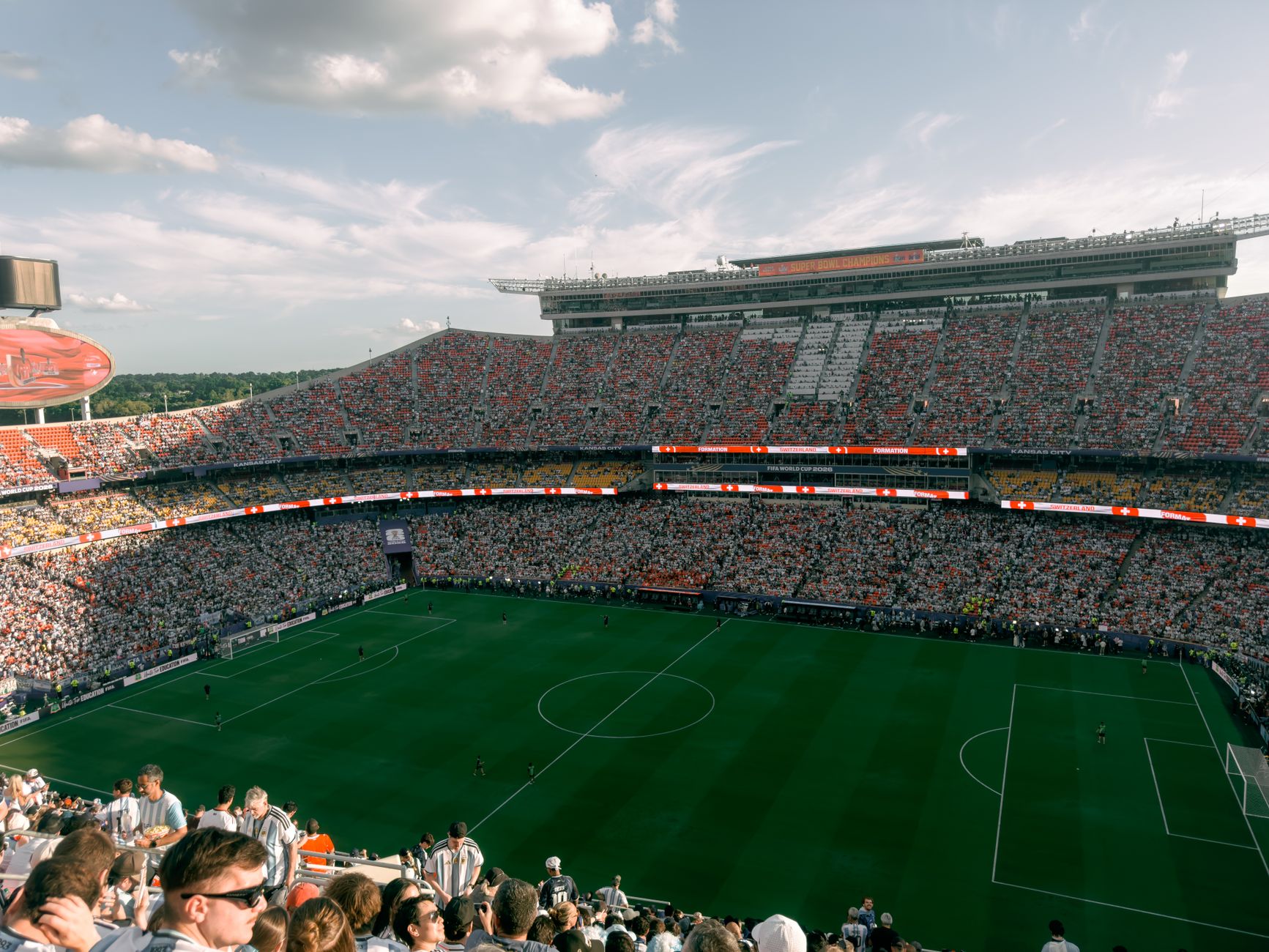
Lamine Yamal delivers a masterclass as Spain beats Argentina 3-2 in an epic 2026 FIFA World Cup Final. Full match analysis and highlights.
Introduction
The 2026 FIFA World Cup reached its crescendo in breathtaking fashion at MetLife Stadium, delivering a grand final for the ages as Spain defeated Argentina in a mesmerizing contest that captivated millions of spectators worldwide. In a showdown billed as the ultimate generational clash—pitting the reigning champions led by Lionel Messi against a youthful, reinvented Spanish side—it was 18-year-old sensation Lamine Yamal who stole the show. Demonstrating poise, creativity, and sheer tactical brilliance far beyond his years, Yamal orchestrated a masterclass on the sport's biggest stage, guiding La Roja to a thrilling victory and securing Spain's second World Cup trophy in nation history.
From the opening whistle, the high-stakes final swung between tactical intrigue and open, pulsating attacking football. Argentina brought their trademark grit, veteran experience, and lethal counter-attacking threat, but Spain’s fluid positional play and relentless high press ultimately swung the balance. Yamal was the heartbeat of Spain's offensive machinery, scoring a magnificent individual goal before providing two crucial assists in a high-scoring thriller that lived up to every ounce of its pre-match hype. The night belonged not just to Spain as a team, but to a teenage superstar whose performance marked an undeniable torch-passing moment in international football history.
As the final whistle blew and confetti rained down over the pitch, the narrative of the 2026 tournament crystallized. The expanded 48-team tournament in North America had produced countless memorable moments, but none surpassed the theatrical climax provided by Yamal and his teammates. The victory cemented Spain's return to the pinnacle of global football and signaled the dawn of a new era, dominated by a fresh generation of technically gifted, fearless young talents who refuse to be constrained by pressure.
Background & Context
To fully appreciate the gravity of the 2026 final, one must examine the contrasting journeys both nations took to reach the showpiece match in New Jersey. Argentina entered the tournament as defending champions following their emotional 2022 triumph in Qatar. Head coach Lionel Scaloni had successfully managed a multi-year roster transition, integrating dynamic younger midfielders alongside seasoned icons to maintain La Albiceleste’s winning edge. Throughout the expanded group stage and knockout rounds, Argentina relied on organizational discipline, defensive resilience, and moments of magic from Messi, navigating a grueling bracket that tested their squad depth to the absolute limit.
Spain, on the other hand, arrived in North America riding a wave of momentum built on rapid structural evolution. Following their Euro 2024 success, manager Luis de la Fuente molded La Roja into a hybrid side—retaining traditional Spanish ball retention while injecting explosive wing play and vertical aggressiveness. Up to the final, tournament organizers and fans following official coverage on FIFA.com noted Spain's dominance across key metrics, including expected goals (xG), total key passes, and defensive recoveries in the opposition third.
The historical backdrop between these two footballing superpowers added another layer of intensity to the match. Spain and Argentina shared a rich history of classic friendly encounters and tactical influence, yet they had rarely met at such a decisive juncture in World Cup competition. The matchup set up a fascinating contrast of footballing philosophies: Argentina's pragmatic, intense, emotionally charged style versus Spain's dynamic, high-tempo positional game. Fans eagerly discussed squad depth and tactical fits ahead of kickoff, with many already speculating on Where To Find Spain's Stars After The 2026 World Cup as club scouts monitored every tactical adjustment.
Furthermore, the physical demands of the 2026 expanded format meant both teams brought battle-tested rosters into the final. Navigating additional knockout rounds across diverse climate zones tested the physical conditioning and medical setups of both federations. Spain’s depth proved crucial throughout the grueling seven-match trek, setting up a final where physical freshness combined with elite technical execution would ultimately determine who lifted the coveted gold trophy.
Key Details & Analysis
The tactical battle began with both managers opting for bold lineups designed to exploit spatial gaps early. Spain lined up in De la Fuente’s familiar 4-3-3 shape, utilizing Pedri and Gavi to control central zones while providing wide isolation isolations for Yamal on the right wing and Nico Williams on the left. Argentina responded with a flexible 4-4-2 block, sliding Alexis Mac Allister into central areas to clog passing lanes and searching for swift transition routes through Julian Alvarez and Messi.
Spain seized control of the opening twenty minutes through sustained possession, but it was Yamal’s individual genius that broke the deadlock in the 28th minute. Receiving the ball near the right touchline, the young winger performed a subtle body feint to leave his defender off balance, cut inward across the top of the penalty arc, and unleashed a curling, left-footed strike into the top far corner of the net. The goal sent the stadium into an uproar and forced Argentina to alter their cautious defensive posture immediately.
Argentina fought back with champion resolve before halftime, equalizing through a brilliant counter-attack spearheaded by Alvarez, who converted a low cross after a clever build-up play involving Messi. However, the second half belonged almost entirely to Spain's wide play. Yamal continued to dismantle Argentina's defensive left flank, providing an exquisite outside-of-the-foot pass to setup Spain's second goal early in the second half. Shortly after, Yamal drove deep into the penalty box again, drawing multiple defenders before laying off an unselfish pass for Spain's third, effectively sealing the match despite a late Argentina consolation goal that made the final score 3-2.
Statistical analysis from the final highlights Yamal's absolute dominance on the pitch:
Goals & Assists: 1 goal, 2 direct assists
Dribbles Completed: 7 successful take-ons out of 9 attempts
Key Passes: 5 chances created in open play
Pass Accuracy: 88% overall accuracy in the attacking third
Expected Goal Involvement (xGI): 2.34 across 90 minutes
Despite the high technical quality on display, the match was not without controversy and intense emotion. The final whistle brought emotional scenes, with intense post-match confrontations spilling over near the tunnel as frustration boiled over for the defeated side. Reports surrounding the post-match turmoil quickly dominated global headlines, leading to formal disciplinary reviews regarding an Argentina Trio Charged With Assault Following Post-Match Final Brawl during the heated immediate aftermath.
Expert Perspective
Football pundits and analysts across the globe were unanimous in their praise for Spain’s tactical execution and Yamal’s individual display. Commentators writing for BBC Sport described Yamal’s display as one of the single most complete individual final performances in modern World Cup history, comparing his composure and game intelligence to legendary figures who defined previous eras. Observers pointed out that Yamal did not merely exploit space; he dictated the rhythm of Spain’s attacks, drawing defenders away to create space for his teammates.
From a managerial standpoint, Luis de la Fuente earned high praise for his tactical bravery. Rather than instructing his young wingers to play cautiously in a tense final environment, De la Fuente gave Yamal and Williams total freedom to isolate opposing full-backs. Tactical experts noted how Spain’s midfield structure continuously supported Yamal by offering overlapping runs and quick wall passes, ensuring that Argentina could never double-team Yamal without leaving central spaces completely exposed.
The global fan reaction reflected the sheer magnitude of the match. Millions of social media posts, fan zone reactions, and analyst breakdowns hailed the contest as an instant classic that encapsulated the best of international football. Neutral supporters celebrated the sheer entertainment value of a five-goal thriller, while tactical analysts praised how both managers adjusted their structures dynamically throughout the ninety minutes.
However, expert commentary also touched upon the broader context surrounding the tournament structure itself. Journalists and industry insiders emphasized that while the on-pitch product reached historic heights, off-pitch commercial developments and venue expansions continued to reshape global football governance. Discussions regarding FIFA’s expanding footprint and commercial strategies remain a hot topic among commentators, as explored in detailed features on Are FIFA & Infantino Selling the World Cup? Stake Sale Explained.
Impact & Implications
Spain’s victory in the 2026 FIFA World Cup Final carries profound implications for the global international football hierarchy. By securing their second world title, La Roja have cemented their status as the preeminent international team of the mid-2020s. Their victory validates the structural pivot made by the Spanish Football Federation toward developing direct, athletic, and high-tempo attackers to complement their traditional mastery of midfield possession.
For Argentina, the result signals the natural end of an iconic chapter. While reaching the final demonstrated incredible consistency and elite tournament pedigree, the defeat marks a symbolic transition away from the core veteran group that brought home the 2021 Copa América, 2022 World Cup, and 2024 Copa América titles. Rebuilding around their emerging young talents will now be the top priority for Scaloni or his prospective successors as they enter the next World Cup qualification cycle.
The tournament outcome also redefines individual career trajectories. Yamal's stellar performance in the final virtually solidifies his position at the pinnacle of international football awards, placing him as the undisputed frontrunner for the next Ballon d'Or and FIFA The Best awards. His market value and global influence are set to reach unprecedented levels, establishing him as the primary commercial and athletic face of world football for the coming decade.
On a macro level, the success of the 48-team, multi-nation hosting model in North America demonstrated that extended tournament formats can still yield elite-level tactical play and narrative drama at the top end. Despite concerns over player fatigue and travel logistics across Canada, Mexico, and the United States, the final match proved that top-tier nations could adapt their preparation methods to peak precisely at the climax of a expanded seven-week marathon.
Looking Ahead
As the curtain falls on the 2026 FIFA World Cup, attention swiftly shifts to the future landscape of international and domestic football. For Spain, the immediate priority will be sustaining their dominance as they look ahead to qualifying for UEFA Euro 2028 and defended their newly won World Cup crown in 2030. With a young core composed of Yamal, Pedri, Gavi, and Williams all under the age of 26, Spain possesses the structural foundation to dominate international football for years to come.
In North America, the legacy of hosting the World Cup will immediately impact the development of domestic leagues and national team programs. Following the tournament's conclusion, major tactical and managerial realignments are already taking shape across host federations. For instance, high-profile coaching situations across CONCACAF are settling into long-term strategic plans, highlighted by developments such as Mauricio Pochettino USA Future: Signs Mega Contract for 2026 World Cup as nations prepare for the 2027–2030 international cycle.
Club football will also feel the immediate reverberations of the World Cup's dramatic conclusion. Major European clubs are preparing for a compressed preseason schedule, with players who reached the final stages in New Jersey receiving extended rest periods. Transfer markets are expected to react dynamically to the breakout performances witnessed during the tournament, as clubs scramble to secure young international prospects whose values skyrocketed on North American soil.
Looking even further ahead, the successful delivery of the expanded 2026 tournament sets the operational and commercial blueprint for future global tournaments. FIFA's expanded format has proven commercially lucrative and wildly popular among global TV audiences, ensuring that multi-country hosting arrangements and 48-team tournament structures will remain the standard format for international football competitions moving forward.
Conclusion
The 2026 FIFA World Cup Final between Spain and Argentina will be remembered as a watershed moment in sporting history. It was a match that delivered everything football fans could possibly desire: high stakes, tactical ingenuity, dramatic shifts in momentum, and individual brilliance of the highest order. Spain’s 3-2 victory was a testament to their team unity, strategic clarity, and willingness to embrace a new, dynamic tactical identity.
Above all, the 2026 final will forever be remembered as the night Lamine Yamal truly announced his ascension to world football royalty. At just 18 years of age, his fearlessness, technical perfection, and decisive contributions on the grandest stage of all created an indelible legacy. In delivering a masterclass against the defending champions, Yamal did not merely help Spain capture their second World Cup title—he signaled the dawn of a new era for global football.
As the teams disperse and the international game transitions into its next cycle, the images of Yamal lifting the World Cup trophy surrounded by his teammates will endure. The 2026 World Cup in North America set out to expand the global game, and through an extraordinary final match anchored by a generational prodigy, it fulfilled that promise in unforgettable fashion.
Spain vs Argentina 2026 World Cup finalLamine Yamal World Cup performanceFIFA World Cup 2026 final recapSpain World Cup champions 2026Lionel Messi vs Lamine Yamal 2026