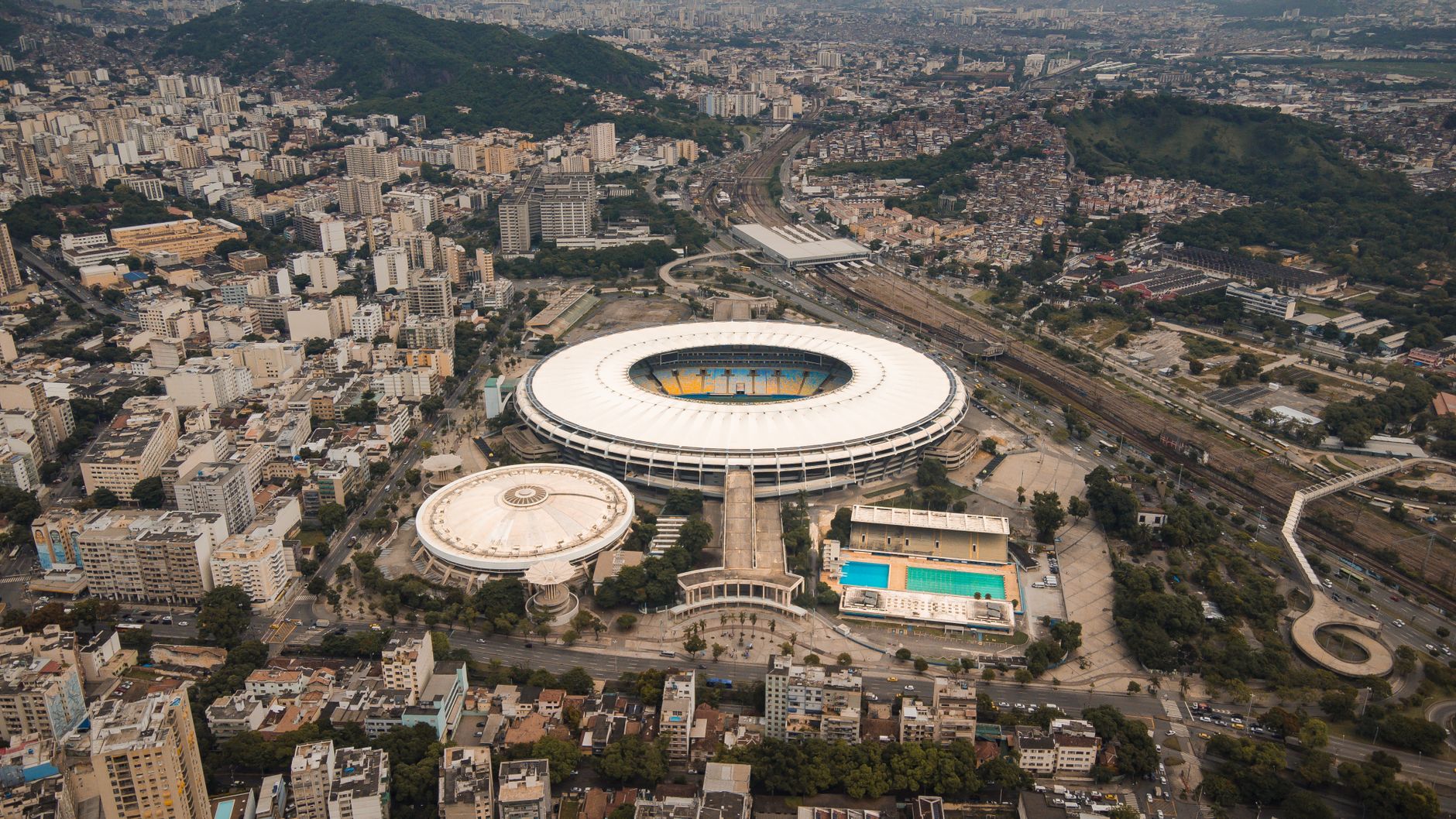
France midfielder Adrien Rabiot raises concerns about the quality of the pitch at the New York New Jersey Stadium, describing it as "more like an artificia
Introduction: A Victory Clouded by Pitch Concerns
France kicked off their highly anticipated FIFA World Cup 2026 campaign with a commanding 3-1 victory over Senegal at the New York New Jersey Stadium on Tuesday. While the scoreline suggested a smooth start for the tournament favorites, the post-match discourse was quickly dominated by a brewing controversy surrounding the playing surface. Despite the celebratory mood in the French camp, experienced midfielder Adrien Rabiot did not mince his words when assessing the pitch quality, raising serious questions about the playing conditions at one of the tournament's flagship venues.
The 31-year-old former Juventus and Paris Saint-Germain star, who started and played the full 90 minutes, was instrumental in securing the three points. He provided a sublime assist to young forward Bradley Barcola for France's crucial second goal. However, rather than focusing solely on the tactical success of Les Bleus, Rabiot used his post-match media duties to highlight what he perceived as a major hazard. His scathing review of the newly laid turf has ignited a fierce debate about player safety, stadium preparation, and the technical standards expected at this level of international football. Fans eager to review the action-packed opener can watch the France vs Senegal Highlights & Goals | FIFA World Cup 2026 to see how the pitch behaved during key moments of the match.
This tournament is already shaping up to be a historic showcase of footballing excellence, with fans witnessing spectacular performances across the continent, as detailed in our coverage of how Messi, Mbappé, Haaland Light Up 2026 FIFA World Cup. Yet, the quality of the playing surfaces threathens to become the unwanted talking point of the summer. Rabiot's comments are not an isolated incident, but rather the latest warning sign in a growing chorus of complaints from elite players who feel that the pitch infrastructure in North America is not meeting the rigorous demands of top-tier football.
Background & Context: The MetLife Turf Dilemma
The New York New Jersey Stadium, globally recognized as MetLife Stadium, is a colossal 78,576-capacity arena located in East Rutherford, New Jersey. As the regular home of the NFL's New York Giants and New York Jets, the stadium is accustomed to high-intensity, high-impact sporting events. However, American football is played on a synthetic turf system that has long been a lightning rod for criticism. To comply with strict FIFA regulations for the 2026 World Cup, the stadium authority was required to install a temporary natural grass pitch over its existing artificial surface. This temporary grass solution is at the heart of the current controversy.
The transition from synthetic turf to natural grass is a complex agronomic challenge. For the World Cup, a total of eight temporary grass pitches have been installed at 16 host venues across Canada, Mexico, and the United States. While some stadiums have managed the transition seamlessly, others are struggling with the extreme summer heat and the structural limitations of laying sod over concrete and synthetic bases. A similar temporary installation was used at Boston Stadium, where Scotland opened their Group C campaign with a hard-fought 1-0 win over Haiti last week. The varying quality of these temporary surfaces has raised eyebrows among European and South American squads accustomed to the pristine, hybrid-grass pitches of the Premier League, La Liga, and Ligue 1.
Furthermore, MetLife Stadium's permanent artificial turf has a notoriously poor reputation in the United States. Numerous NFL stars have suffered devastating, non-contact lower-limb injuries on the surface, leading players to dub the venue the home of the "MetLife curse." Only recently, in September, highly rated Giants wide receiver Malik Nabers tore his anterior cruciate ligament (ACL) on the turf, adding to a long list of high-profile casualties that includes legendary quarterback Aaron Rodgers. While FIFA's mandated natural grass was supposed to mitigate these safety concerns, the hasty installation and the underlying rigidity of the stadium's foundation seem to have created a hybrid monster that pleases neither football code.
Key Details & Analysis: Rabiot and Vinicius Jr. Speak Out
Adrien Rabiot's critique of the East Rutherford pitch was exceptionally blunt. Speaking to reporters in the mixed zone after the final whistle, the midfielder expressed his disbelief at the state of the surface. "The pitch... I don't even know if you can call it that. It felt more like an artificial surface - quite hard and quite rigid," Rabiot said. His analysis suggests that despite the green grass visible to television viewers worldwide, the playing experience felt remarkably similar to the unforgiving synthetic turf underneath. The lack of give in the ground increases the impact on players' joints, leading to rapid physical fatigue and an elevated risk of muscle strains and ligament tears.
Rabiot's concerns closely echo those of Brazil international Vinicius Junior. The Real Madrid winger voiced similar frustrations following Brazil's underwhelming 1-1 draw against Morocco in their opening fixture at the same venue. Vinicius highlighted how the local micro-climate and stadium design exacerbate the pitch issues. "In the second half, with the heat, the pitch dries out very quickly. The game becomes very sluggish and we can't get into our rhythm," Vinicius noted. When a natural grass pitch dries out too rapidly, it loses its slickness, causing the ball to bounce unpredictably and roll slower, which severely disrupts the quick, one-touch passing styles of elite teams like France and Brazil.
From a tactical perspective, a dry and rigid pitch neutralizes technical superiority. During the France vs Senegal match, players from both sides were frequently seen stumbling or struggling to control simple passes. The friction of the dry grass prevented the ball from sliding smoothly, forcing players to take extra touches and allowing defensive blocks to slide into position more easily. While Rabiot managed to overcome these obstacles to set up Bradley Barcola, the overall fluidity of the match was visibly compromised. If the pitch remains in this state, it could lead to more direct, physical encounters rather than the attractive, expansive football that fans expect at a World Cup.
Expert Perspective: The Science of Temporary Sod
To understand why the New York New Jersey Stadium pitch is drawing such heavy criticism, one must look at the turf science involved. According to leading sports turf specialists, laying temporary sod over an existing artificial surface is an incredibly delicate process. The temporary grass rolls, often grown off-site and transported via refrigerated trucks, must quickly establish a root system and bond with the underlying drainage layers. In a stadium like MetLife, which features high concrete stands that block natural sunlight and wind flow, creating the perfect micro-climate for grass survival is nearly impossible without advanced grow-light technology and sophisticated ventilation systems.
Many pundits and former players have expressed empathy with the athletes' complaints. On television broadcasts, commentators noted that the pitch appeared patchy in several areas, with visible seams where the grass rolls met. When these seams do not knit together perfectly, they create uneven surfaces that can easily catch a player's studs, leading to ankle rolls or knee hyperextensions. The extreme summer heat in the New York metropolitan area further complicates matters. Ground staff are caught in a difficult position: watering the pitch too much can make the surface slippery and unstable, while underwatering leads to the rapid drying and rigidity described by Vinicius Junior.
Coaches are also privately expressing their worries to FIFA officials. The physical load on players at the end of a grueling European club season is already at an all-time high. Forcing elite athletes to play high-stakes matches on hard, unforgiving surfaces is seen by many as an unnecessary risk. While FIFA maintains strict guidelines regarding pitch moisture, grass height, and soil compaction, the feedback from players on the ground suggests there is a significant discrepancy between official testing metrics and the actual player experience.
Impact & Implications: A Threat to the World Cup Final?
The quality of the pitch at the New York New Jersey Stadium is not just a minor grievance for the group stage; it is a major logistical and reputational headache for FIFA. This 78,576-capacity venue is scheduled to host some of the most critical matches of the tournament, including England's highly anticipated final group game against Panama on 27 June. More importantly, the stadium has been selected to host the prestigious World Cup Final on 19 July. The prospect of the biggest game in world sport being played on a sub-standard, injury-prone surface is a scenario that FIFA desperately wants to avoid.
If the pitch conditions do not improve significantly, it could directly impact team selections and tactical approaches. Managers may opt to rest key players prone to joint injuries, or alter their tactical setups to minimize risky short passing in their own half. The situation highlights a broader tension within modern football: the balance between commercial revenue and sporting integrity. Hosting matches in massive NFL stadiums generates astronomical ticket sales and corporate revenue, but it often comes at the expense of the playing surface. For a deeper look at how these off-pitch logistics and infrastructure challenges shape the tournament, readers can explore our feature article, More than the Score.
FIFA's grounds management team will undoubtedly be working around the clock to address the feedback from Rabiot and Vinicius Junior. Potential solutions include intense aeration of the soil to reduce rigidity, applying specialized wetting agents to help the soil retain moisture in the heat, and adjusting the mowing height to facilitate faster ball movement. However, with matches scheduled in rapid succession, the turf has very little time to recover and regenerate between fixtures, meaning any improvements may only be incremental.
Looking Ahead: Upcoming Fixtures and Tactical Adjustments
The immediate test for the New York New Jersey Stadium ground staff will come on 22 June, when Senegal return to the venue to take on Norway in a crucial Group stage match. Senegal will need to adapt quickly to the heavy conditions if they are to bounce back from their opening defeat to France. Norway, known for their physical and direct style of play, may find the rigid, slow surface more to their liking, setting up an intriguing tactical battle where physical endurance and aerial prowess could triumph over intricate midfield play.
Meanwhile, other teams are keeping a close eye on how these temporary pitches behave across the country. Scotland, having secured a vital three points in Boston, are preparing for their second Group C match against Morocco on Friday (23:00 BST) at the same Boston venue. The Scottish coaching staff will likely have analyzed the Morocco vs Brazil match tape closely, taking note of Vinicius Junior's warnings about the drying turf. Adapting to these unique North American playing conditions will be key to progression in the tournament. For insights into how other nations are coping with the unique demands of this tournament, check out our Spain vs Cape Verde 2026 World Cup Highlights & Analysis.
As the tournament progresses, the ability of sports science staff to manage player recovery between games on these hard surfaces will be just as important as