FIFA World Cup 2026 hydration breaks keep players safe while unlocking multi-million-dollar broadcast revenue for networks like NBC Sports.
Introduction
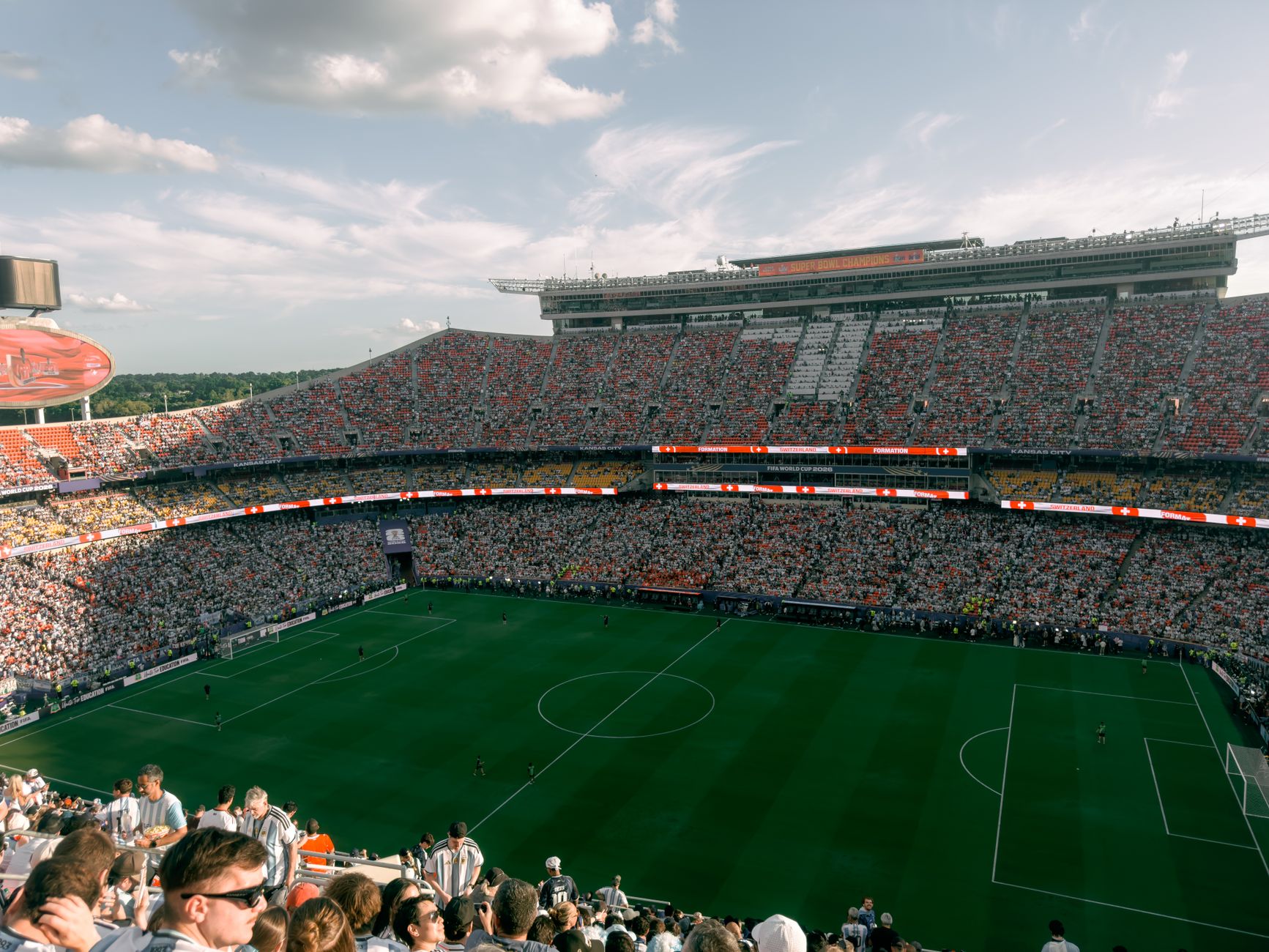
As the expanded 48-team FIFA World Cup 2026 sweeps across Canada, Mexico, and the United States, the physical demands placed on elite athletes have reached unprecedented levels. Mid-summer kickoff times across sun-drenched host venues—ranging from heat-soaked open-air arenas in Miami and Houston to warm high-altitude conditions in Guadalajara and Monterrey—have forced authorities to prioritize player safety above all else. Under strict thermal guidelines established by sports science bodies, mandatory hydration breaks have become a standard fixture mid-way through each 45-minute half whenever temperatures and humidity cross dangerous safety thresholds.
However, what initially began as an essential medical intervention to prevent heat exhaustion and thermal stress has rapidly evolved into one of the most intriguing commercial frontiers in modern sports broadcasting. As highlighted in recent media industry analysis by NBC Sports, these mandatory 90-second stoppages around the 30th and 75th minutes are fundamentally reshaping how the "beautiful game" is produced, monetized, and consumed. In a sport historically guarded against mid-game commercial interruptions, hydration breaks are carving out high-value advertising windows that bridge the gap between traditional European football continuity and North America's lucrative, stoppage-heavy sports marketing model.
This convergence of environmental necessity, player welfare, and media innovation is transforming an operational pause into a financial powerhouse. FIFA, global broadcast networks, and corporate sponsors are discovering that these micro-stoppages do not dilute the integrity of the match; rather, they provide an ideal canvas for interactive fan engagement, dynamic tactical breakdowns, and non-intrusive brand placements. The result is a monumental shift in how football balances human physiology with multi-billion-dollar sports business economics on the world’s biggest sporting stage.
Background & Context
The concept of formal cooling breaks in international football first gained prominent global traction during the 2014 FIFA World Cup in Brazil. Fixtures played in oppressive tropical conditions, such as the famous Round of 16 clash between the Netherlands and Mexico in Fortaleza, required official cooling pauses to protect players from heat-related illnesses. The practice was later formalized by FIFA using the Wet Bulb Globe Temperature (WBGT) index, an environmental metric that accounts for temperature, humidity, wind speed, and solar radiation. When the WBGT exceeds 32°C (89.6°F), referees are instructed to execute a 90-second hydration break around the half-hour mark of each half.
Historically, association football has maintained a continuous 45-minute clock per half, setting it apart from American sports like the NFL, NBA, and MLB, where frequent timeouts and natural breaks allow networks to insert high-yield television commercials. This continuous format meant soccer broadcasting relied almost entirely on pre-game, half-time, and post-game advertising slots, alongside pitch-side LED boards and jersey sponsorships. For decades, North American media executives viewed soccer's lack of mid-game advertising inventory as a structural hurdle to maximizing broadcast revenue compared to traditional domestic sports leagues.
The 2026 tournament in North America represents the perfect intersection where high-temperature summer weather meets an aggressive sports commercial landscape. With corporate involvement in North American football soaring to record heights—exemplified by massive media rights deals and celebrity-backed promotional ventures like those detailed in How Much David Beckham Earned From 2026 World Cup Revealed—broadcasters were primed to reimagine soccer coverage. NBC Sports and domestic broadcast partners recognized that mandated hydration breaks offered a structured, predictable window to capture millions of hyper-engaged viewers during live play, forever altering the economics of football broadcasting.
Key Details & Analysis
From a tactical standpoint, the introduction of mandatory hydration breaks functions much like a mini-timeout in basketball or gridiron football. Rather than simply gulping down water and electrolytes on the sideline, players receive urgent tactical adjustments from their coaching staff. Managers can instantly recalibrate their pressing triggers, adjust defensive spacing, or make immediate structural tweaks without having to wait until half-time. This dynamic was particularly visible during high-stakes encounters throughout the tournament, where teams that were struggling under heavy pressure used the 90-second pause to regain composure and stem the opposition's momentum.
Physiologically, statistics from sports science teams reveal that high-intensity sprint distances increase by up to 12% in the 15 minutes immediately following a hydration break compared to the same period in matches played without stoppages. This rejuvenation of physical output directly affects match dynamics. Fresh energy leads to sharper offensive combinations and breathtaking long-range attempts, as fatigue often leads to delayed closing-down from tired midfielders. Fans seeking to catch up on the tournament's most explosive moments can Watch All Long-Range Goals at World Cup 2026: Messi & Dembele, where several long-distance strikes stemmed directly from secondary phases of play following mid-half pauses.
From a commercial perspective, the mechanics of these breaks are executed with surgical precision by broadcast networks. NBC Sports and global rights-holders utilize advanced "Picture-in-Picture" (PiP) technology, allowing the live stadium feed to shrink into a secondary window while a targeted 15-to-30-second commercial advertisement or sponsored data graphic dominates the primary screen real estate. Major beverage brands, sports tech companies, and biometric tracking firms bid heavily for sponsorship of these exact moments. The breaks also showcase real-time telemetry—such as live heart-rate monitoring, distance covered, and hydration recovery metrics—adding high-tech value for viewers while seamlessly integrating sponsor branding.
The physical workload on elite modern players makes these stoppages essential. Clubs operating at the highest levels, such as top European giants whose players feature heavily in international squads, have long voiced concerns over player fatigue and calendar congestion. Detailed performance metrics, such as those analyzed in Stats: Arsenal's Incredible 2026 FIFA World Cup Impact, emphasize how managed physical loads directly correlate with high-level performances late in international tournaments, proving that hydration breaks protect both human assets and the quality of the footballing product.
Expert Perspective
Sports science specialists and FIFA medical officers have strongly advocated for strict enforcement of hydration protocol. Medical research demonstrates that core body temperature can spike dangerously high during 45 minutes of continuous exertion in high humidity, severely impairing cognitive function, reaction speed, and organ heat regulation. By introducing cold water, electrolyte solutions, and ice towels during the 30th and 75th minutes, players rapidly drop their core temperature and avoid thermal shock, ensuring that elite athletic output can be safely sustained across 90 or 120 minutes of intense competition.
Broadcast experts and media analysts view the phenomenon through an equally pragmatic lens. NBC Sports media directors note that modern sports viewers—particularly younger demographics accustomed to multi-screen, fast-paced media—do not tune out during picture-in-picture commercial hydration breaks. Unlike half-time, when viewers frequently step away from their screens, the mid-game break holds 95% of the live audience captive because play is set to resume in under 90 seconds. Pundits on BBC Sport have similarly remarked that as long as live audio from the pitch and real-time tactical camera feeds remain visible, the non-intrusive ad placements enhance rather than hinder the television viewing experience.
Coaches themselves have embraced the operational benefits. Far from complaining about disruptions to match rhythm, elite tacticians treat hydration breaks as invaluable strategic assets. Tactical experts point out that the ability to deliver face-to-face instructions to key playmakers mid-half reduces coaching reliance on shouted, misunderstood hand signals across a roaring stadium. This tactical recalibration was a major factor in shaping the tournament's competitive balance, as examined in depth within 2026 World Cup Winners & Losers: Spain Rules, USMNT Exit Drama.
Impact & Implications
The financial impact of monetized hydration breaks across a 104-match World Cup tournament is immense. With 104 matches played across 16 world-class venues, two guaranteed or situational hydration breaks per match generate over 200 distinct, high-rating commercial windows. Analysts estimate that incorporating sponsored hydration segments and picture-in-picture ad slots adds tens of millions of dollars in net commercial yield for host broadcast rightsholders and FIFA. This commercial model creates a template that domestic leagues in warm-weather regions—such as Major League Soccer, the Saudi Pro League, and South American domestic competitions—are already eager to replicate.
Beyond the balances of media conglomerates, the competitive implications on the pitch are substantial. Teams with squad depth and tactical flexibility benefit disproportionately from hydration breaks. Subtitutions made immediately following a 75th-minute cooling break allow incoming substitutes to digest precise tactical directions from coaches before setting foot on the pitch, leading to higher impact from bench players in the closing stages of knockout matches.
The broader broadcast industry is taking note of this structural evolution. Traditional football purists initially feared that commercializing mid-game breaks would slip down a slope toward American football's commercial-heavy format. However, by strictly locking hydration breaks to health-based temperature triggers and utilizing non-disruptive split-screen graphics, broadcasters have achieved a rare equilibrium: respecting the flow of the game while maximizing commercial inventory in an increasingly expensive sports rights marketplace.
Looking Ahead
As the tournament progresses into its high-stakes knockout rounds in warm-weather host cities, the operational sophistication surrounding hydration breaks will only refine further. Broadcasters plan to introduce even more sophisticated graphics during these 90-second intermissions, including instantaneous 3D tactical walk-throughs powered by artificial intelligence and real-time biometric heat maps showing player strain. These additions promise to keep viewers glued to their screens while providing brand sponsors with unmatched engagement metrics.
Looking further into the future, the success of monetized hydration breaks during the 2026 World Cup is likely to spark serious discussions at IFAB (International Football Association Board) regarding standardizing cooling protocols for summer competitions worldwide. While IFAB remains committed to preserving the integrity of football’s continuous clock, the combined pressure of escalating global summer temperatures and irresistible commercial incentives makes standardized, sponsored breaks an appealing long-term reality for international football federations.
Football fans, television networks, and corporate sponsors will be closely watching how these mid-half breaks influence late-game drama, tactical shifts, and physical endurance in the final matches of the tournament, including the ultimate trophy celebrations detailed in Spain Celebrates 2026 World Cup Win with Trophy Lift in Madrid.
Conclusion
The 2026 FIFA World Cup has proven that necessity is indeed the mother of innovation. What began as a vital, non-negotiable health measure designed to safeguard elite athletes against severe heat index conditions across North America has seamlessly transformed into a masterclass in modern sports commercialization. NBC Sports and global media networks have successfully shown that player welfare and commercial monetization do not have to be mutually exclusive concepts in elite professional football.
By blending high-tech biometric analysis, split-screen broadcasting, and dynamic tactical intervals into a brief 90-second pause, the sport has discovered a lucrative new revenue stream without sacrificing its soul or rhythm. As the line between athletic performance, medical science, and entertainment continues to blur, hydration breaks stand out as a prime example of how football continues to adapt to an evolving world. The "beautiful game" has not only protected its finest artists under extreme conditions—it has unlocked a beautifully lucrative future in the process.