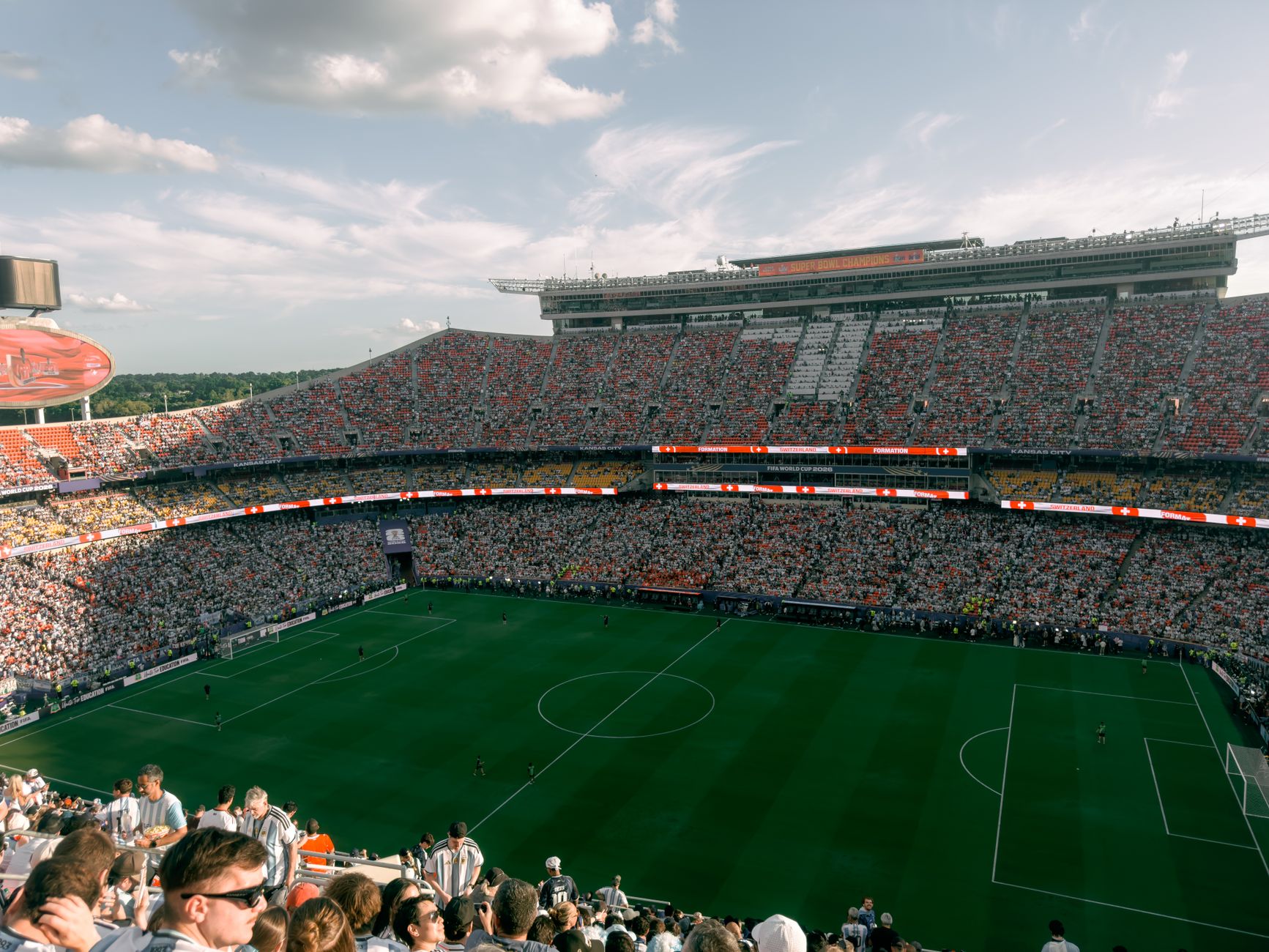
Detailed analysis of the 2026 World Cup winners and losers. Spain dominates with brilliant tactics while the U.S. crashes out in controversy on home soil.
Introduction
The 2026 FIFA World Cup has officially drawn to a close, leaving behind a trail of indelible moments, breathtaking goals, and deep-seated drama that will be discussed for decades to come. As the first edition of the tournament to feature an expanded 48-team format across three host nations—the United States, Canada, and Mexico—the competition delivered on its promise of unprecedented scale and non-stop spectacle. From high-altitude thrillers in Mexico City to electric nights in New York and Los Angeles, the expanded footprint offered a truly global stage for international football’s top talents.
Yet, amidst the sprawling narrative of this historic tournament, two starkly contrasting storylines dominated headlines across the world. On one end of the spectrum stood Spain, who produced a masterclass in modern, expansive football to cement their position at the pinnacle of international sport. Exhibiting technical perfection, tactical flexibility, and ruthless efficiency, La Roja spent the month delivering a footballing symphony that dismantled defense after defense. Their campaign was not merely successful; it was a triumphant declaration of a new golden era for Spanish football.
On the opposite end of the spectrum lay the host nation, the United States. What was meant to be a crowning moment for American soccer on home soil devolved into frustration, tactical incohesion, and bitter exit amid fierce officiating debate. The USMNT’s premature exit sent shockwaves through North American sports media and left fans demanding answers. In this comprehensive post-mortem of the 2026 World Cup, we examine the true winners and losers of the tournament, dissecting how Spain conquered the globe while the U.S. narrative imploded on the biggest stage of all.
Background & Context
Entering the 2026 tournament, the expectations surrounding both Spain and the United States could not have been more different, yet both carried immense pressure. For Spain, the journey to North America was built on a foundation of steady, deliberate evolution. Following structural transitions over the previous half-decade, La Roja arrived with a potent mix of seasoned veterans who understood international tournament management and a generational cohort of young phenoms eager to make their mark. Spain's path through the group stage was a model of consistency, brushing past opponents with a suffocating press and mesmerizing possession play that signaled their title credentials early on.
For the United States, 2026 represented the absolute zenith of a decade-long project aimed at establishing soccer as a mainstream powerhouse in North American culture. Playing matches in packed domestic NFL stadiums bathed in summer heat, the Stars and Stripes carried the weight of a nation eager to prove that its "Golden Generation" belonged in the elite tier of international football. The tournament off the pitch was an undeniable commercial triumph, bolstered by huge cultural interest and high-profile promotional campaigns, as detailed in reports analyzing Why Beckham is Face of World Cup 2026 in US | BBC Report. The enthusiasm in the stands was electric, setting a vibrant backdrop across host venues.
However, that off-pitch fanfare could not mask the mounting structural flaws on the grass. While Spain swept through their group with maximum points, fluid movement, and defensive stability, the U.S. struggled to establish a clear tactical identity. Defensive miscommunications and an inability to convert territory into clear-cut chances plagued their group stage fixtures, forcing them into a perilous knockout route. When the pressure reached its peak in the elimination rounds, the U.S. found themselves embroiled in a high-stakes encounter where split-second refereeing decisions and temperamental lapses ultimate doomed their campaign, setting off a wave of post-match protests and national disappointment.
Key Details & Analysis
From a purely tactical perspective, Spain’s triumph was rooted in their ability to modernize classic positional play. Rather than relying on static, horizontal possession that had derailed previous Spanish sides in major tournaments, this iteration played with verticality and edge. Their wingers manipulated touchlines to stretch opposition low blocks, creating cavernous half-spaces for central midfielders to operate. High-tempo transitions and an aggressive counter-press forced opponents into constant turnovers inside their own half. According to official performance data logged on FIFA.com, Spain led the tournament in completed passes in the final third, expected goals (xG), and possession regained within five seconds of ball loss.
Their dominance reached its absolute peak during the high-stakes knockout rounds, culminated by a historic showcase against South American heavyweights Argentina. Football fans wanting to relive the tactical brilliance of that clash can watch the detailed breakdowns featured in the Spain vs Argentina 2026 World Cup Final Mini-Movie FOX Sports, which highlights how Spain neutralized opposition counter-attacks while carving open space with relentless short-passing combinations. The key moments of that decisive encounter are also captured in the Spain vs Argentina World Cup 2026 Final Highlights, showing a team operating at the height of its power.
Conversely, the key details surrounding the U.S. team's collapse paint a picture of structural failure under intense pressure. Facing a tactically disciplined opponent in the knockout stage, the U.S. midfield was repeatedly overwhelmed, unable to bridge the gap between their defensive line and isolated forward unit. Individual defensive errors led to early deficits, forcing the team into desperate, frantic long-ball football. The match turned into an inferno when a contentious VAR review led to a crucial penalty against the host country, followed shortly by a red card for aggressive dissent that left the U.S. playing with ten men for the final half-hour. The inability of the coaching staff to adjust mid-game only exacerbated the team's deficiencies, leading to an agonizing whistle that sealed their exit.
Winners of World Cup 2026
Spain: Undisputed kings of the tournament, combining dynamic youth with tactical perfection to dominate every match they played.
Argentina: Reached the final once again through sheer grit, defensive organization, and moment-to-moment brilliance, cementing their status as international giants.
CONCACAF Host Infrastructure: World-class venues, record-breaking attendances, and seamless logistics across the US, Mexico, and Canada proved the region's hosting capabilities.
Losers of World Cup 2026
United States Men’s National Team: Crashed out early on home soil under a cloud of controversy, failing to meet public expectations or demonstrate tactical maturity.
Tournament Officiating Standards: Inconsistent VAR interventions and questionable high-profile refereeing calls generated widespread criticism from coaches and pundits alike.
Traditional European Giants (Germany & Italy): Suffered premature eliminations due to inability to adapt to the tactical speed and physical intensity of non-European nations.
Expert Perspective
The fallout from the tournament has generated intense debate among leading football analysts and former players across international media platforms. Comprehensive coverage on BBC Sport highlighted the stark tactical gulf between Europe's elite tactical systems and the underdeveloped setups seen from the U.S. host nation. Pundits noted that while Spain’s technical staff systematically exposed opposition weaknesses through methodical game-planning, the U.S. bench seemed reliant on emotional momentum and individual flashes of brilliance—a strategy that invariably fails against top-tier opposition on the World Cup stage.
The officiating surrounding the U.S. team's elimination remains one of the most polarizing topics of the entire summer. Analysts across major broadcast networks clashed over whether the critical refereeing decisions were technically correct applications of the laws of the game or examples of excessive VAR micro-management that ruined the flow of a showpiece event. The controversy extended beyond the host nation's exit, prompting discussions about broader structural refereeing concerns during the tournament, as explored in the analysis on Why Some Accuse FIFA Of Favoring Argentina In World Cup Final. This debate underlined how fine the margin is between victory and disaster in single-elimination football.
Former international players turned pundits were particularly scathing in their assessment of the American tactical setup. Many pointed out that despite years of playing in top European domestic leagues, key U.S. players lacked the tactical discipline required to manage high-stress moments. When key refereeing decisions went against them, the team lost composure rather than refocusing on their game plan. In contrast, Spain was praised by tactical analysts worldwide for their stoic mental discipline, maintaining their structured shape and tempo regardless of match circumstances, scorelines, or refereeing interventions.
Impact & Implications
The long-term implications of this tournament will reshape the football landscape in both Spain and the United States for years to come. For Spain, this triumph represents a definitive validation of their talent development pathway. The seamless integration of teenage prodigies with established elite professionals confirms that their modern system continues to produce world-class footballers capable of executing high-complexity game plans. The national team will enter the next major international tournament cycle as the undisputed team to beat, with a deep player pool that guarantees long-term sustainability.
For US Soccer, the early, controversial exit on home turf is nothing short of an institutional crisis. Millions of dollars and years of preparation were poured into building a squad expected to deep-dive into the tournament's final rounds. Failing to do so—and doing so in such chaotic fashion—has triggered immediate calls for top-to-bottom structural audits. The domestic fan base, built up during the pre-tournament promotional push, has responded with vocal disappointment. Major sponsor evaluations and managerial changes are expected as the federation attempts to repair the damage and chart a new path forward toward the 2030 cycle.
On an operational level, the 2026 tournament successfully proved that a 48-team, multi-host format can generate unprecedented global revenue and broadcast figures. The logistical execution across vast geographic distances was largely seamless, despite extreme summer weather conditions in certain host regions. Fortunately, the marquee championship match took place in ideal playing conditions, as reported in World Cup 2026 Final Weather: Clear Skies After Storms Clear. That atmospheric perfection allowed the world to focus entirely on the high-quality football being played on the pitch, establishing a high bar for future expanded World Cups.
Looking Ahead
As the dust settles on the 2026 FIFA World Cup, both nations must now turn their attention to their next competitive cycles. Spain stands on the threshold of potential dominance. With a core group of key starters under the age of 25, La Roja is positioned to challenge for back-to-back major international trophies over the coming decade. Their coaching staff will likely focus on squad rotation and integrating the next wave of academy talent during upcoming Nations League and continental qualifying fixtures, keeping their tactical edge sharp and unpredictable.
For the United States, the road ahead is fraught with difficult decisions and essential rebuilds. Federation leadership must decide whether to retain the current sporting direction or institute sweeping changes across technical staff and coaching leadership. Without competitive World Cup qualifiers in the immediate post-host cycle, the USMNT will need to secure high-level international friendlies against South American and European powerhouses to rebuild confidence, address tactical vulnerabilities, and instill emotional composure in their core group before the next major competitive tests.
Beyond individual national team trajectories, the global game itself has evolved as a result of the 2026 edition. The narrowing gap between traditional footballing nations and emerging federations from Asia and Africa proved that tactical literacy and athletic output are higher than ever worldwide. Future tournament hosts will look to the North American model for logistical blueprints, while coaches across the globe will study Spain’s tactical tape in an effort to copy their winning formula of vertical movement, press resistance, and relentless high-tempo football.
Conclusion
The 2026 FIFA World Cup will be remembered as a tournament of grand scale, sensational individual displays, and unforgettable drama. Spain’s rise to global supremacy served as a beautiful reminder of what can be achieved when technical mastery, clear tactical vision, and collective harmony align on the grandest stage. La Roja didn't just win the tournament; they dictated its rhythm, setting a benchmark for international football excellence that will be dissected and praised for years to come.
Conversely, the story of the United States serves as a cautionary tale about the harsh realities of elite tournament sport. High expectations, home-field advantage, and massive commercial support mean nothing without tactical flexibility, discipline, and the ability to navigate adversity on the pitch. While the controversy surrounding their elimination will be argued in pubs and sports bars for years, the stark reality remains: when the moment demanded greatness, the host nation fell short.
In the final accounting, the 2026 World Cup achieved exactly what it set out to do—it expanded the global reach of the world's game to unprecedented heights while delivering pure, unadulterated sporting drama. As Spain celebrates a magnificent victory and the U.S. embarks on a period of deep soul-searching, football fans around the globe are left with memories of a summer where the beautiful game captivated the world like never before.