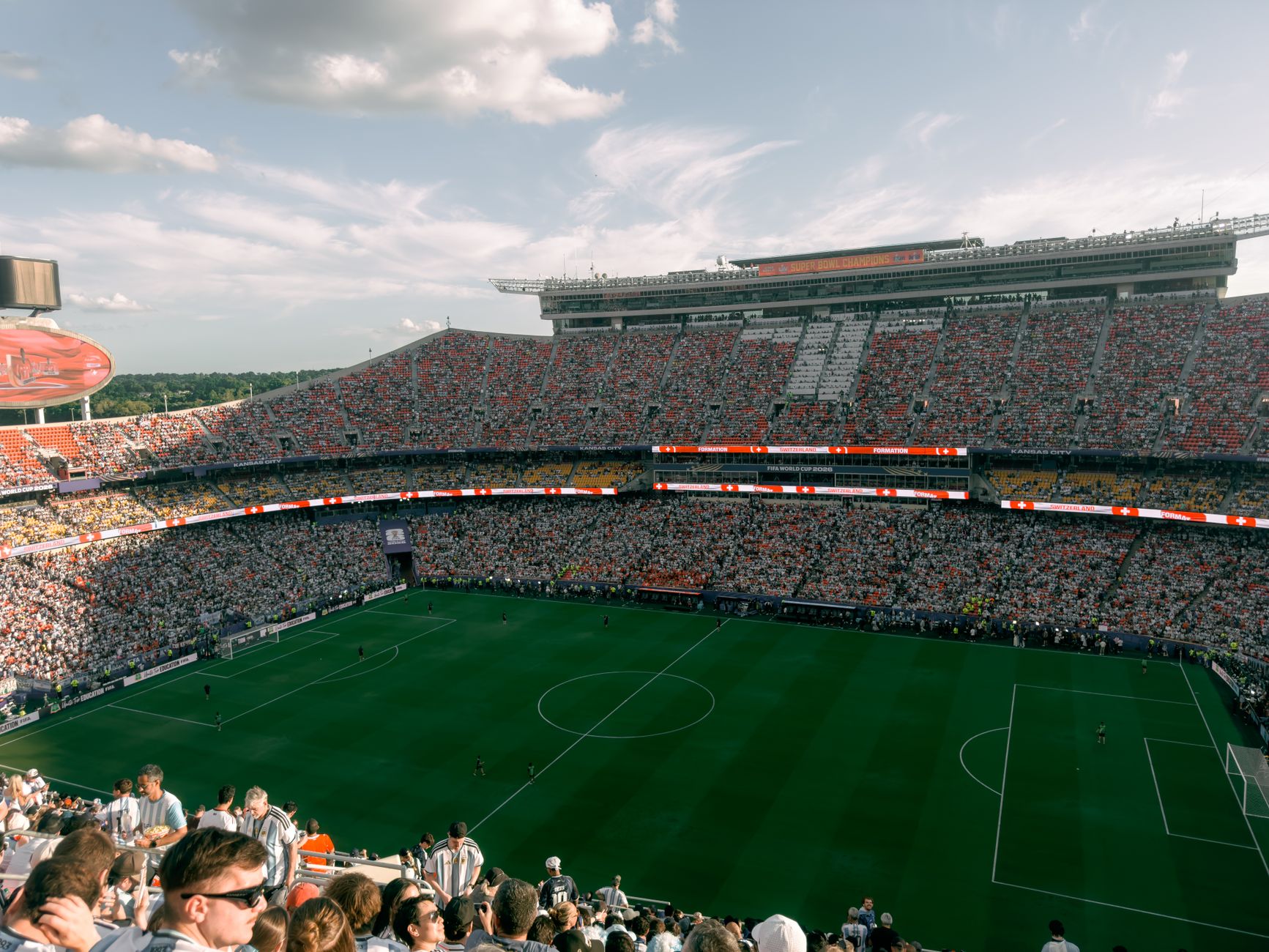
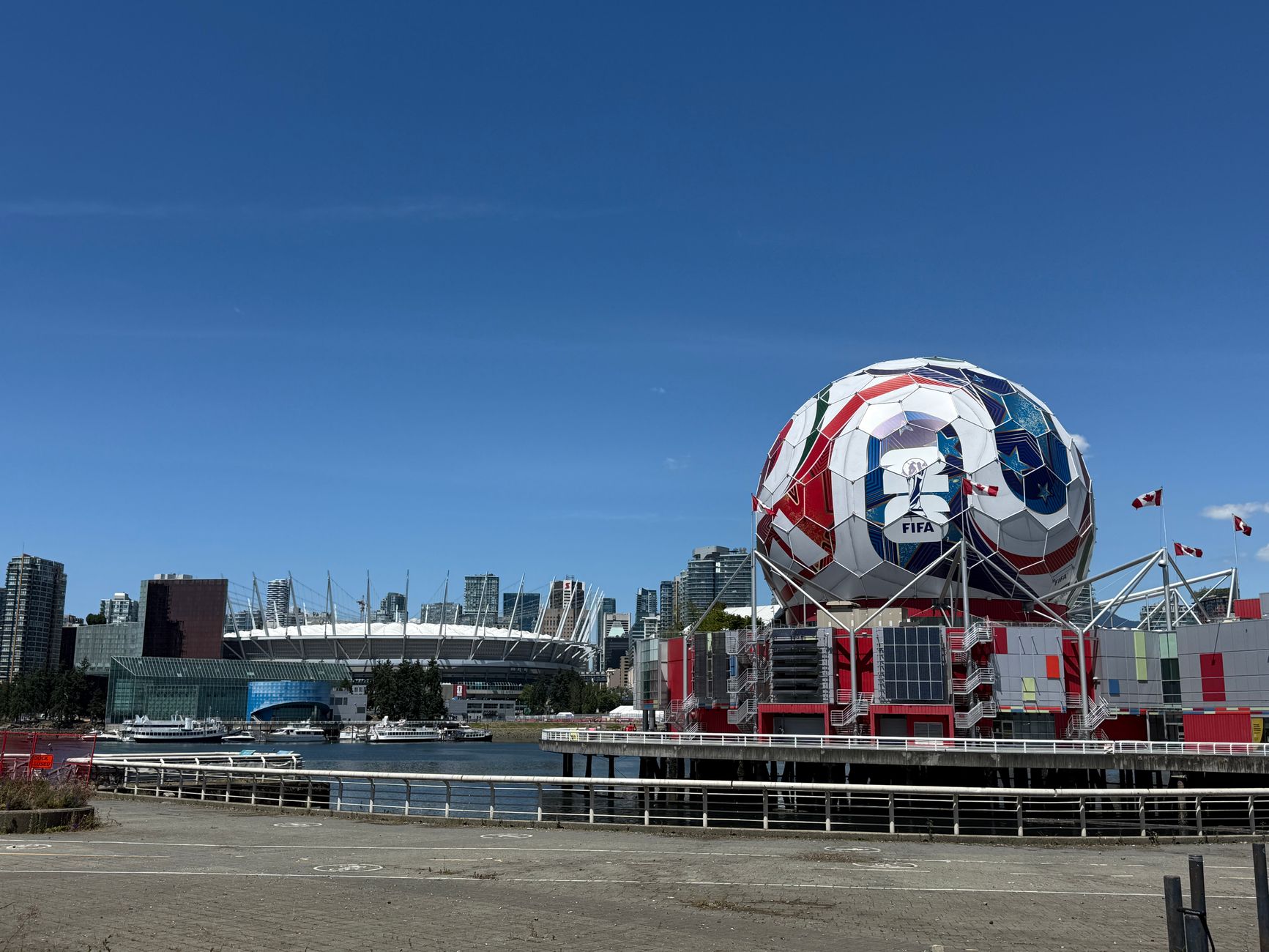
Explore how America's top stadiums underwent massive transformations, turf conversions, and engineering feats for the 2026 FIFA World Cup.
Introduction: Architectural Engineering Meets the Beautiful Game
The host venues for the expanded 2026 FIFA World Cup represent one of the most ambitious engineering and architectural undertakings in modern sports history. Across the United States, multi-billion-dollar cathedrals of American gridiron football have undergone staggering physical transformations to convert into elite, FIFA-compliant soccer temples. With the expanded 48-team tournament requiring 104 matches across North America, the vast majority of fixtures are anchored in the United States' iconic sports arenas. Transforming these venues—ranging from modern architectural wonders like SoFi Stadium in Los Angeles and AT&T Stadium in Dallas to historic monuments like the Rose Bowl and hard-nosed venues like Lincoln Financial Field in Philadelphia—has demanded years of meticulous planning, complex structural modifications, and groundbreaking agronomic innovation.
To meet the exacting demands of global football's governing body, stadium operators have had to overhaul their fundamental infrastructure. American football stadiums are traditionally engineered with narrow field dimensions, steep lower-tier seating designed to bring fans close to the gridiron, and, in many cases, synthetic turf surfaces. Converting these massive facilities into venues capable of hosting world-class football requires temporary structural demounting, the installation of advanced underground climate-control networks, and the deployment of hybrid natural grass technology. As fans flood into these modernized arenas, the seamless transition showcases an unprecedented fusion of sports engineering, luxury hospitality, and high-tech stadium design designed to elevate the global fan experience to new heights.
Background & Context: The Evolution of American Soccer Infrastructure
When the United States last hosted the tournament in 1994, international football was still working to establish a permanent foothold in the American sports landscape. That landmark tournament utilized historic, open-air venues like the Pasadena Rose Bowl, the Pontiac Silverdome, and Stanford Stadium, setting attendance records that stood for decades despite the tactical and logistical constraints of nineties-era venues. Thirty-two years later, the landscape of North American sports infrastructure has undergone a quiet revolution. Modern NFL stadiums are now world leaders in spectator comfort, dynamic video displays, private suites, and broadcast integration. However, adapting these hyper-specialized venues for international football has posed an entirely new set of technical challenges.
The 2026 edition marks the first time three nations—the U.S., Canada, and Mexico—have jointly hosted a World Cup, and the first to feature 48 competing nations. Because the United States holds the vast majority of host venues, American broadcast partners and venue management groups have invested billions into stadium retrofits and broadcast capabilities. Industry analysts note that media conglomerates have capitalized heavily on this monumental infrastructure pivot; for example, media coverage highlighted how the 2026 FIFA World Cup gives a major revenue boost to Fox Corp. - AOL.com as corporate sponsors eagerly purchase premium advertising inventory tied to the state-of-the-art match broadcasts. Furthermore, reports detailing how Fox Beats Fourth-Quarter Revenue Estimates Ahead of FIFA World Cup 202 demonstrate the enormous financial engine powering these physical stadium upgrades, as major broadcasters leverage cutting-edge stadium tech to capture record-breaking international audiences.
Key Details & Analysis: The Engineering Feat Behind Pitch Conversions
The single greatest operational challenge facing American stadium directors has been the transformation of playing surfaces and pitch dimensions. Standard NFL playing fields measure 160 feet (approximately 48.8 meters) in width, whereas FIFA regulations strictly require a pitch width of 68 meters (74 yards) alongside generous touchline clearance zones for linesmen, broadcast cameras, and substitutes. To achieve this extra width without compromising safety or visibility, major stadiums had to execute invasive architectural surgery. At venues such as AT&T Stadium in Arlington and SoFi Stadium in Inglewood, engineering crews temporarily dismantled several rows of concrete lower-bowl seating and installed raised wooden sub-floors to widen the floor space, effectively elevating the pitch level by several feet to accommodate a wider playing area.
Equally complex has been the shift from artificial turf to elite natural grass. Many top U.S. venues—including MetLife Stadium in New Jersey, Mercedes-Benz Stadium in Atlanta, and NRG Stadium in Houston—utilize artificial turf for their regular tenant teams. FIFA, however, strictly mandates pristine, uniform natural grass pitches across all tournament venues. To accomplish this, agronomists developed sophisticated pitch-replacement systems involving modular tray technology, specialized vacuum drainage, and high-powered artificial grow-light rigs. Turf grass is cultivated off-site on specialized sod farms under exact climatic matches before being transported and laid down in seamless rolls. Advanced underground ventilation systems, such as SubAir technology, regulate soil moisture, temperature, and oxygen levels from underneath the pitch, allowing grass to survive indoors or under partial roof structures during intensive match schedules.
These intense venue requirements have occasionally sparked debates regarding governance and venue management overhead within international football structures. As administrative tension brews over strict organizational demands, articles detailing how Norway FA Tells FIFA President Infantino to Resign | World Cup 2026 emphasize that tournament operations and stadium mandates remain under hyper-critical scrutiny from member associations worldwide. The sheer operational cost and logistical precision needed to meet FIFA's rigid pitch and facility standards have made stadium conversion one of the most monitored storylines of the tournament prep phase.
Summary of Major Stadium Upgrades Across Host Cities
Field Dimensions Expansion: Temporary removal of lower-level concrete risers and seating rows in narrow venues like AT&T Stadium and SoFi Stadium to expand pitch width to the mandatory 68-meter FIFA standard.
Natural Grass Conversion: Replacement of artificial turf with high-tech hybrid and natural grass surfaces supported by subterranean rootzone aeration and moisture drainage networks.
Advanced Climate & Lighting Control: Installation of mobile grow-light arrays and specialized HVAC circulation systems to maintain living grass pitches inside closed or retractable-dome environments.
Broadcast & Tech Overhauls: Integration of high-definition spider-cam rigging, ultra-fast fiber-optic data trunks, and dedicated VAR (Video Assistant Referee) control booths within existing media facilities.
Expert Perspective: Agronomy, Player Welfare, and Architectural Ingenuity
From the perspective of top sports turf agronomists and architectural consultants, the engineering feats pulled off across American host venues represent a paradigm shift in venue flexibility. Leading pitch consultants have noted that laying natural grass over existing concrete or turf bases inside indoor environments presents unique micro-climate challenges. Controlling temperature, humidity, and airflow inside enclosed domes requires fine-tuning giant HVAC networks to prevent mold, fungal growth, or surface slipping. Ground staff utilize real-time sensors embedded within the rootzone to track surface hardness, traction, and ball bounce, ensuring every pitch offers consistent playability regardless of whether the stadium is in humid Miami or arid Dallas.
Player welfare and tactical fluidity remain at the absolute center of these turf conversions. World-class players depend heavily on smooth pitch conditions to showcase their technical brilliance and fast-paced dribbling. Legendary moments, like seeing a brilliant individual effort similar to the 🔥 Neymar Incredible Goal in FIFA World Cup 2026 🤯 | Brazil vs Paraguay, require surfaces that allow precise ball control, predictable bounce, and optimal shear resistance under foot. Pundits and former international players speaking on broadcast platforms like ESPN have praised the responsiveness of the newly laid hybrid surfaces, noting that uniform pitch conditions significantly reduce the risk of non-contact joint injuries often associated with uneven surfaces or artificial turf transitions.
Impact & Implications: Economic Windfalls and Long-Term Stadium Legacies
The economic impact of these massive stadium transformations extends far beyond the final whistle of the tournament. Local organizing committees, municipal governments, and stadium ownership groups have poured hundreds of millions of dollars into public transit upgrades, stadium connectivity, and surrounding entertainment districts. By converting these multi-purpose cathedrals into FIFA-grade venues, host cities have elevated their status as top-tier global destinations capable of hosting international friendlies, rugby world cups, concert tours, and future multi-sport competitions without operational friction.
Furthermore, the cultural footprint left by hosting matches in heavily updated, state-of-the-art facilities is reshaping soccer's standing within American sports culture. Packed, sold-out venues are echoing the ferocious football passion found in traditional powerhouses across South America and Europe. The global fever surrounding the tournament mirrors national footballing culture worldwide; for instance, context surrounding global fan enthusiasm can be seen in how Argentina Declares July 15 a National Football Holiday to Mark Its 202, demonstrating how deeply the tournament captivates entire societies. The upgraded U.S. venues provide a grand stage worthy of that intense global devotion, bridging the gap between American stadium commercialism and authentic international football tradition.
Looking Ahead: Marquee Venues and Strategic Tournament Logistics
As the tournament progresses toward its climactic knockout rounds, eyes turn toward the landmark venues set to host the biggest matches on the football calendar. MetLife Stadium in East Rutherford, New Jersey, underwent multi-million dollar structural retrofits to broaden its field perimeter, positioning it to host the coveted World Cup Final. Meanwhile, AT&T Stadium in Dallas and Mercedes-Benz Stadium in Atlanta serve as critical semi-final hosts, utilizing their massive retractable roofs and fully climate-controlled interior zones to shield teams and spectators from mid-summer heatwaves. Official updates on venue schedules and fan access continue to be published via FIFA.com as tournament operations run at peak capacity.
Looking to future events, the legacy of the 2026 stadium overhaul will likely serve as a blueprint for multi-sport venue design moving forward. Architects are taking key lessons from these temporary conversions and integrating permanent modular pitch systems into future venue designs. Stadium operators now recognize that elite modern arenas must be inherently flexible—able to host gridiron football on Sunday, high-end entertainment concerts on Wednesday, and international soccer on Saturday without compromising playing surface integrity or spectator sightlines.
Conclusion: A New Era for North American Sports Venues
The transformation of America's greatest stadiums for the 2026 FIFA World Cup stands as a masterclass in modern sports engineering and infrastructure innovation. By overcoming narrow gridiron footprints, masterfully replacing artificial turf with pristine natural grass, and retrofitting media and hospitality facilities, host cities have created an incredible stage for the world's most popular sport. These physical engineering triumphs ensure that players compete on elite surfaces while fans enjoy an unparalleled, immersive spectacle within North America's most opulent sporting arenas.
Ultimately, this ambitious venue overhaul marks a defining turning point for soccer in the United States and across North America. The physical legacy of state-of-the-art turf systems, expanded floor designs, and world-class transit integration will benefit domestic sports leagues for decades to come. As the 2026 World Cup continues to captivate billions of viewers around the globe, America's reimagined stadiums prove that when cutting-edge architecture meets the passion of the beautiful game, the result is a truly world-class sporting spectacle.
World Cup 2026 stadium transformationsFIFA World Cup US venuesMetLife Stadium grass conversionSoFi Stadium pitch changes2026 World Cup turf technologyUS NFL soccer stadium upgrades