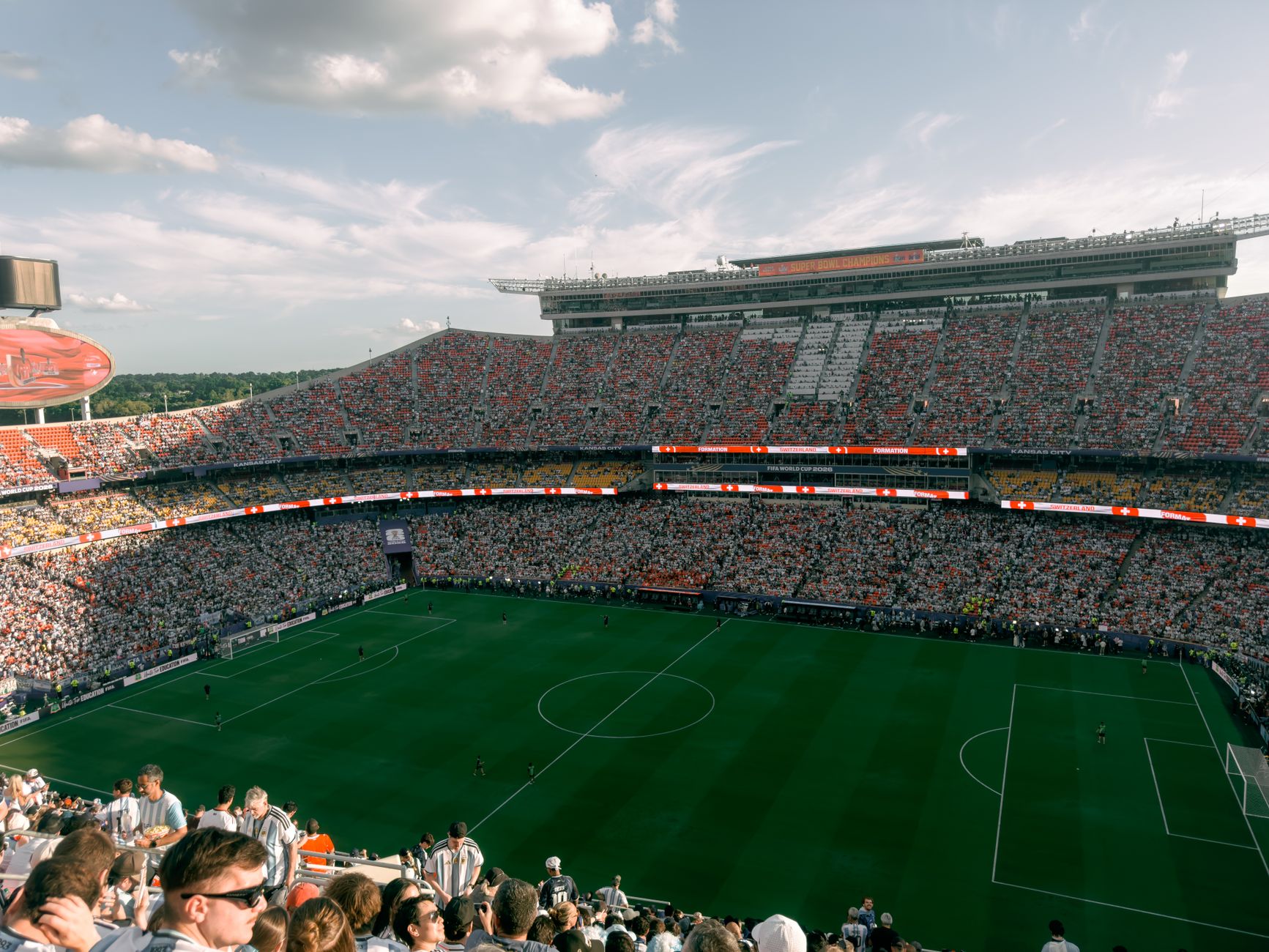
Explore how FOX Sports delivered historic broadcast coverage of the 2026 FIFA World Cup with innovative technology, record ratings, and expert analysis.
Introduction: FOX Sports Delivers an Unprecedented Spectacle for World Cup 2026
The 2026 FIFA World Cup marked a monumental watershed moment in global sports history, and standing at the center of North America’s television extravaganza was FOX Sports. As the primary English-language broadcaster in the United States, FOX Sports undertook the most ambitious production campaign in sports television history. Tasked with bringing 104 matches across three host nations—the United States, Mexico, and Canada—to millions of homes, the network deployed unprecedented technological resources, expansive studio setups, and an elite ensemble of commentators and analysts.
From the opening kick-off in Mexico City to the breathtaking grand finale in New Jersey, FOX Sports transformed how soccer is presented to the American television audience. With the tournament expanding to a record-setting 48 teams, the network’s dual broadcast channels, main network broadcast FOX and cable stalwart FS1, operated around the clock to capture every goal, tactical masterclass, and off-field storyline. The resulting coverage elevated domestic viewership to historic highs, establishing a standard for major event broadcasting that will reverberate for generations.
Background & Context: From Controversial Rights Award to Home-Soil Glory
To fully grasp the magnitude of FOX Sports’ achievement in 2026, one must look back to the origins of their broadcast partnership with FIFA. When FOX unexpectedly secured the United States English-language rights for the 2018 and 2022 World Cups back in 2011, taking over from long-time broadcaster ESPN, the network faced immense scrutiny. Critics questioned whether a broadcaster best known for NFL gridiron and Major League Baseball could capture the nuance, global flair, and emotional cadence required for soccer’s flagship event.
After navigating the logistical hurdles of Russia 2018 and the unprecedented winter scheduling of Qatar 2022, FOX Sports was subsequently awarded the rights for the expanded 2026 tournament without competitive bidding—a decision that placed immense responsibility on the executive team. Broadcasting a tournament across home soil required a complete overhaul of standard operating procedures. Unlike previous editions, where time-zone differences created early morning kick-offs in the US, 2026 featured favorable primetime viewing windows that promised—and ultimately delivered—record-breaking commercial revenues.
The operational landscape was further reshaped by cultural momentum. soccer's popularity in the United States had reached critical mass leading into the tournament, spurred on by high-profile ambassadors and commercial investments. Detailed media analysis surrounding ambassadors highlighted Why Beckham is Face of World Cup 2026 in US | BBC Report, demonstrating how celebrity star power, combined with FOX’s aggressive promotional machinery, primed the American public for a summer of soccer fever.
Key Details & Analysis: Technological Marvels and Broadcast Engineering
FOX Sports spared no expense in constructing its broadcast architecture for the 2026 tournament. The cornerstone of their coverage was a state-of-the-art studio compound constructed at dynamic multi-city hubs. Utilizing stunning backdrop architecture that combined real-world stadium visuals with cutting-edge augmented reality (AR) graphics, the network delivered pre-game, halftime, and post-game coverage that set a new benchmark for visual polish. Real-time tactical tracking, virtual heat maps, and 3D play reconstructions were seamlessly integrated into studio discussions, breaking down complex strategic battles for both veteran supporters and novice viewers.
On the pitch, FOX Sports utilized over 40 dedicated cameras per match, including high-speed super-slow-motion cameras, aerial wire rigs, and specialized touchline microphones that captured the visceral intensity of every challenge. Match analysis went far beyond traditional color commentary. Analysts dissecting key tactical moments frequently emphasized how individual domestic club performances influenced international form. Broadcast segments highlighted tactical metrics such as Stats: Arsenal's Incredible 2026 FIFA World Cup Impact, illustrating how top European clubs prepared international stars to thrive under the intense physical demands of a expanded 48-team summer tournament.
Managing a 104-match schedule presented staggering multi-feed orchestration challenges. FOX Sports effectively divided coverage between its main over-the-air broadcast network and FS1, ensuring that concurrent final group-stage games received high-definition coverage without sacrificing storytelling quality. Streaming integration via the FOX Sports app complemented traditional broadcasts, providing multi-camera feeds, interactive stat engines, and on-demand highlights according to official broadcasting guidelines outlined by FIFA.com.
Production Highlights: FOX Sports 2026 Coverage
Total Matches Broadcast: 104 live matches across FOX and FS1.
Studio Hubs: Multi-city setups featuring state-of-the-art augmented reality graphics.
Camera Technology: Ultra-HD 4K feeds, high-frame-rate slow-motion, and immersive audio arrays.
Digital Platform Integration: Real-time streaming stats, multi-angle view choices, and instant replay clips.
Expert Perspective: On-Air Personalities, Punditry, and Fan Engagement
A sports broadcast is ultimately judged by the voices calling the action, and FOX Sports assembled a diverse commentary panel designed to resonate with a broad audience. Lead commentary teams brought unmatched enthusiasm to high-stakes knockout games, balancing play-by-play urgency with expert tactical analysis. The studio team, anchored by veteran host Rob Stone alongside outspoken analysts like Alexi Lalas and Stu Holden, provided lively, unapologetic studio debate that drove daily headlines across social media platforms.
Pundits navigated the delicate balance between praising individual moments of brilliance and offering direct criticism when national teams underperformed. The coverage leaned heavily into structural storytelling, examining tactical triumphs alongside structural failures. For instance, post-match panel breakdowns during the elimination stages thoroughly evaluated competitive dynamic shifts, mirrored in detailed critical reviews like the 2026 World Cup Winners & Losers: Spain Rules, USMNT Exit Drama breakdown, which contextualized team performances for an eager domestic fanbase.
Furthermore, broadcast discussions routinely examined the commercial and cultural impact surrounding key figures associated with North American soccer's rise. Studio segments dedicated to off-field influence explored economic milestones, referencing detailed industry investigations such as How Much David Beckham Earned From 2026 World Cup Revealed. By blending football analysis with pop-culture awareness, FOX Sports engaged casual summer viewers while keeping hardcore soccer purists thoroughly invested throughout the six-week spectacle.
Impact & Implications: Ratings Bonanza and the Changing US Media Landscape
The financial and cultural dividends of FOX Sports’ coverage surpassed even the most optimistic network predictions. Television viewership records fell repeatedly during the group stage, culminating in unprecedented linear and digital ratings for knockout round matches. Matches featuring the United States Men’s National Team (USMNT) set all-time domestic viewership records for English-language soccer broadcasts, rivaling audiences traditionally reserved for NFL playoff games and World Series deciders.
The successful delivery of the 2026 World Cup transformed the broader sports media landscape in North America. Advertisers poured millions into primetime commercial slots, recognizing that the tournament represented a rare unifying television event capable of capturing hard-to-reach younger demographics. The seamless integration of sports betting odds, statistical overlays, and interactive digital features demonstrated how traditional sports television can adapt to modern consumer habits without compromising the core product.
The dramatic finale of the tournament, capped by Spain’s brilliant championship run, delivered incredible emotional drama that FOX captured with cinematic precision. Studio reactions and stadium coverage brought the immense global scale of victory directly into living rooms, capturing moments highlighted when Spain Celebrates 2026 World Cup Win with Trophy Lift in Madrid. This monumental broadcast showcase proved beyond doubt that North America possesses both the appetite and infrastructure to anchor world soccer's premier competitive stage.
Looking Ahead: The Legacy of 2026 and Future Media Horizons
As the dust settles on a historic 2026 FIFA World Cup, attention naturally turns to the long-term ramifications for sports broadcasting. FOX Sports has set a formidable benchmark that future rights holders will struggle to match. The technical innovations pioneered during the tournament—ranging from advanced AR studio graphics to automated statistical analysis feeds—are already becoming standard operational features across major domestic sports properties, including the NFL, college football, and Major League Baseball.
Looking forward to future international tournaments, the success of the 2026 production will inevitably trigger intense bidding wars for future broadcast rights. Industry analysts expect rights fees for international soccer tournaments to skyrocket as traditional networks and tech giant streaming platforms compete for premium live sports content. Extensive commentary on global sports media trends available through BBC Sport suggests that the fusion of linear television broadcast power with targeted digital streaming, perfectly executed by FOX in 2026, represents the definitive roadmap for mega-event coverage moving forward.
For FOX Sports, the 2026 tournament validated their multi-decade investment in soccer. Having transformed skeptics into admirers, the network leaves behind a lasting legacy: an elevated sports media ecosystem where soccer stands firmly alongside traditional American pastimes at the absolute peak of network television broadcasting.
Conclusion: A Defining Moment in Sports Journalism and Broadcasting
The 2026 FIFA World Cup was more than just a tournament; it was a cultural milestone for North America, and FOX Sports served as the master storyteller. By combining technical innovation, authoritative analysis, and relentless editorial energy, the network delivered a broadcasting masterclass that captured the imagination of a nation. Over 104 matches, FOX Sports conveyed the drama, heartbreak, and unbridled joy of the beautiful game to an unprecedented television audience.
In doing so, FOX Sports answered every question about its capability to deliver world-class football journalism. The network's historic coverage ensured that the 2026 World Cup will be remembered not only for the brilliant skill displayed on the pitch, but also for the revolutionary broadcast quality that brought every magical moment to life. As soccer continues its unstoppable ascent across North America, FOX Sports' monumental 2026 coverage will stand as the golden standard for sports broadcasting for years to come.
FOX Sports World Cup 2026FIFA World Cup 2026 broadcastingWorld Cup 2026 TV ratingsFOX soccer commentators 20262026 World Cup productionFIFA broadcast rights US