Discover why the FIFA World Cup 2026 has cost global employers a staggering $11.7 billion in lost productivity, absenteeism, and workplace distractions.
Introduction
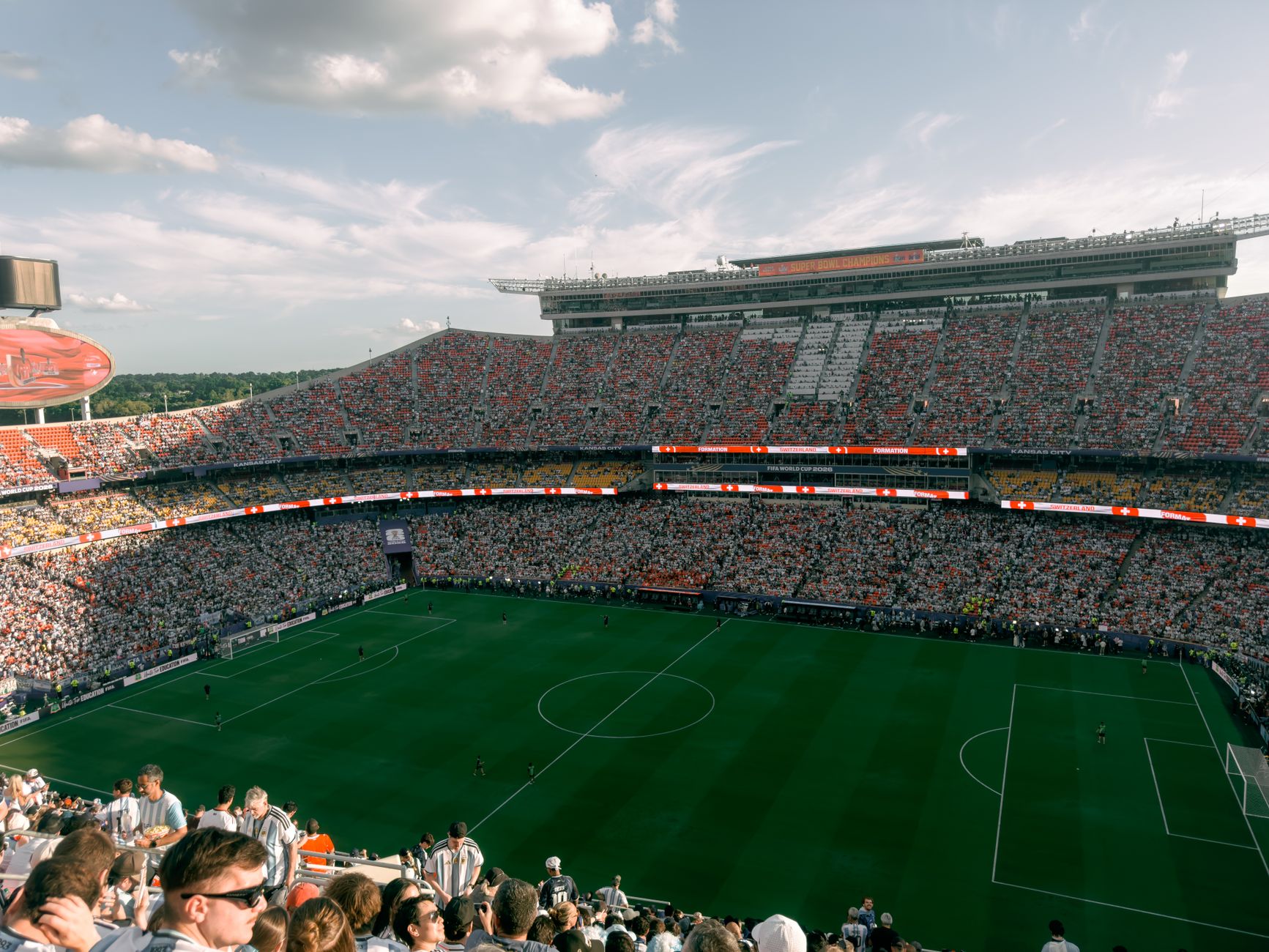
The FIFA World Cup 2026 has officially taken over the globe, transforming offices, factories, and remote workspaces into makeshift fan zones. While the expanded 48-team tournament has delivered unprecedented drama, stunning upsets, and high-octane football across Canada, Mexico, and the United States, it has also triggered a massive financial headache for corporate boardrooms. According to recent economic impact assessments, the tournament is projected to cost employers worldwide a staggering $11.7 billion in lost productivity, absenteeism, and workplace distractions. This eye-watering figure highlights the sheer cultural gravity of the tournament, which has successfully captured the attention of billions of workers, often at the direct expense of their professional duties.
The primary driver behind this multi-billion-dollar corporate drain is the unique scheduling of the 2026 edition. With matches broadcast live across multiple North American time zones, standard working hours in Europe, South America, Africa, and Asia are colliding directly with kickoff times. Instead of drafting reports, responding to emails, or attending strategy meetings, millions of employees are dual-screening, checking live blogs, or calling in sick to witness history unfold. Whether it is a crucial group-stage fixture or a highly anticipated knockout clash, the temptation to tune in has proven entirely irresistible for the global workforce, leaving HR departments and business owners scrambling to manage the fallout.
Background & Context
Historically, major sporting spectacles have always influenced workplace dynamics, with productivity dips of up to 20% recorded during previous tournaments like Russia 2018 and Qatar 2022. However, the 2026 iteration represents a perfect storm for corporate disruption. The decision by FIFA to expand the tournament to 48 teams resulted in a record-breaking 104 matches played over a grueling 39-day period. This extended schedule means that the period of potential workplace distraction is longer than ever before. Combined with the absolute ubiquity of high-speed mobile internet, 5G connectivity, and office communication platforms like Slack and Microsoft Teams, keeping employees focused on their tasks has become an almost impossible battle for managers.
The historical rivalry and narrative depth of this tournament have only intensified employee distraction. For instance, matches featuring traditional powerhouses have drawn record-breaking digital viewership numbers during office hours. Millions of fans worldwide spent their afternoons looking up the France vs England Live Stream: How to Watch World Cup 2026 Today, prioritizing tactical battles over quarterly targets. When legacy teams face off under high-stakes conditions, the workplace buzz becomes deafening, with digital watercoolers dominated by discussions of historical grievances, tactical lineups, and team news rather than business deliverables.
This distraction is not limited to the active title contenders. Even matches played later in the knockout stages, where teams are playing for pride and redemption, command immense attention. A prime example is the intense buildup to the consolation finals, where teams like England find themselves fighting to salvage their tournament reputations. Workers across the United Kingdom and beyond have spent countless hours analyzing how the England Carry Scars into World Cup Third-Place Playoff, proving that even non-championship matches carry enough emotional weight to derail a standard corporate workday. The continuous cycle of match previews, live commentaries, and post-match analyses has turned the modern office into a secondary stadium.
Key Details & Analysis
To understand how the economic losses reached the $11.7 billion mark, analysts have broken down the data into three primary categories: "cyberloafing" (watching games or reading sports news while on the clock), outright absenteeism (taking unscheduled sick leave or annual leave), and decreased focus due to sleep deprivation. Data from global HR consulting firms suggests that the average worker admits to spending at least 45 minutes per day on World Cup-related activities during the tournament. When multiplied by hundreds of millions of football-mad workers globally, the lost hours quickly translate into billions of dollars of unperformed labor. Furthermore, the administrative cost of managing shift covers and dealing with sudden understaffing has placed an additional financial burden on retail, manufacturing, and healthcare sectors.
The commercial frenzy surrounding the tournament has also contributed to a general atmosphere of workplace detachment. The sheer scale of wealth and luxury associated with the 2026 event has captured the public imagination, distracting workers with stories of extreme wealth and exclusivity. Headlines regarding the World Cup 2026: Historic $4M Ticket Package Sold for Final have circulated widely on corporate intranet boards and social media feeds, prompting endless discussions among employees about the commercialization of the sport. When the financial scale of the tournament reaches such heights, it naturally dominates casual conversations, drawing employees away from their core responsibilities as they marvel at the global spectacle.
Moreover, the rise of remote and hybrid working models since the pandemic has made monitoring productivity during the World Cup incredibly difficult. Unlike traditional office environments where managers could easily spot a live stream running on a second monitor, remote workers have the freedom to watch entire matches without immediate oversight. While some argue that hybrid work allows for better time management, statistics indicate that overall output during afternoon match windows drops significantly. Key performance indicators (KPIs) across software development, financial services, and customer support sectors have shown noticeable dips during matchdays, confirming that the flexibility of working from home has largely been co-opted by football fandom.
Expert Perspective
Human resources experts and corporate strategists are divided on how employers should handle this $11.7 billion phenomenon. Many traditionalists argue that strict monitoring and internet filters are necessary to protect corporate interests and maintain contractual obligations. However, modern workplace culture experts suggest that fighting the World Cup tide is a losing battle that can damage employee morale. Progressive corporate leaders are instead embracing the tournament, choosing to host official office viewing parties, offering flexible working hours, and encouraging staff to wear their national jerseys. The theory is that the temporary dip in productivity is offset by a massive boost in team cohesion, workplace happiness, and long-term employee retention.
The viral nature of modern football culture also ensures that the tournament remains top-of-mind throughout the workday. When unexpected drama occurs on the pitch or in the press rooms, it instantly becomes a trending topic that demands immediate consumption. For example, the viral moment where Lionel Messi Reacts As Spain Coach Interrupted Before FIFA World Cup F sparked millions of social media interactions, memes, and debates in corporate chat groups. HR consultants point out that trying to police these brief, highly engaging cultural moments is counterproductive. Employees will find a way to stay connected to the tournament, and heavy-handed corporate policies often result in resentment rather than increased focus.
According to prominent economic commentators, the $11.7 billion loss should not be viewed purely as wasted capital. Instead, some economists suggest viewing it as an informal, global employee benefit. "The World Cup provides a rare moment of collective joy and shared humanity," noted one leading market analyst in an interview with BBC Sport. "While the immediate productivity metrics show a clear decline, the psychological reset and social bonding that occur when colleagues watch a match together can lead to a more collaborative and energized workforce once the tournament concludes."
Impact & Implications
The geographical distribution of the economic impact is highly uneven, dictated largely by timezone alignments. In Europe and Africa, afternoon matches kick off just as the workday is winding down, leading to a massive "early exit" phenomenon where offices empty out by 4:00 PM. In contrast, Asian markets face a different challenge: matches are broadcast late at night or in the early hours of the morning. While this protects daytime productivity, it has led to a dramatic rise in "sleep-deprived presenteeism," where employees show up to work on time but are too exhausted to perform their duties effectively. The physical toll of staying up until 4:00 AM to watch a crucial group stage match is directly reflected in the sluggish performance of businesses across Tokyo, Seoul, and Beijing.
In North America, the host region, the impact is felt directly during the standard 9-to-5 window. With local matches taking place in major business hubs like New York, Los Angeles, Toronto, and Mexico City, local businesses have had to adapt to unprecedented levels of local excitement. The hospitality and tourism sectors have experienced a massive boom, but corporate offices have struggled to maintain business as usual. Many companies have had to implement rotating shifts or official "match-day leave" policies to prevent total operational collapse, acknowledging that trying to enforce standard productivity expectations during a home World Cup is an exercise in futility.
This situation has forced a broader re-evaluation of corporate wellness and flexible working frameworks. Companies that already possessed robust asynchronous working models have fared significantly better than those relying on rigid, synchronized hours. By allowing employees to complete their daily tasks on their own schedules—even if that means working late into the evening after the final whistle has blown—progressive firms have successfully mitigated their financial losses. The World Cup has, in effect, served as a massive, real-world stress test for the viability of modern flexible work structures.
Looking Ahead
As the tournament reaches its thrilling conclusion, the economic distraction is expected to peak rather than subside. The final week of the World Cup, culminating in the championship match, represents the absolute zenith of global viewership and corporate distraction. Employers must prepare for a final wave of absenteeism and celebration-related absences, particularly in the countries that successfully reach the final. Planning ahead by adjusting project deadlines, scheduling lighter meeting calendars, and proactively offering flexible arrangements will be crucial for businesses looking to minimize operational disruption during the final matchday push.
The anticipation surrounding the grand finale is already reaching a fever pitch, with millions of fans preparing their viewing arrangements. Businesses are bracing for the ultimate distraction as workers search for details on How to Watch 2026 World Cup Final & Halftime Show Live. The final is no longer just a sporting event; it is a massive cultural entertainment property that blends world-class athletics with global pop music spectacles. This combination ensures that even casual sports fans within the office will be drawn into the excitement, making the Monday following the final one of the most historically unproductive days of the corporate calendar.
Looking beyond 2026, the corporate world will undoubtedly analyze the data from this tournament to formulate better strategies for future global events. The lessons learned regarding remote work monitoring, flexible scheduling, and the positive impact of office-sanctioned viewing parties will shape how human resource departments handle future World Cups and Olympic Games. The intersection of global sport and corporate productivity has changed permanently, and companies that learn to adapt rather than resist will find themselves much better positioned for the next tournament cycle.
Conclusion
Ultimately, the $11.7 billion in losses experienced by employers during the FIFA World Cup 2026 is a testament to the unmatched, unifying power of football. No other event on earth possesses the capability to simultaneously capture the attention of billions of people, cross cultural and geographic boundaries, and temporarily halt the machinery of global commerce. While the short-term financial metrics may paint a picture of lost hours and decreased output, they fail to capture the intangible value of shared human experience, national pride, and the sheer joy that the beautiful game brings to workers worldwide.
As the curtain prepares to fall on this historic tournament, the corporate world will quickly return to its regular rhythm, and the lost productivity will eventually be recovered. The memories of historic goals, dramatic penalty shootouts, and shared office celebrations, however, will linger far longer. In the grand scheme of global business, the $11.7 billion price tag is simply the cost of doing business during a World Cup year—a temporary sacrifice for a tournament that will be remembered for generations to come.