Discover which teams have qualified for the historic FIFA World Cup 2026 Round of 32. Get expert analysis, tactical breakdowns, and bracket updates.
Introduction
The FIFA World Cup 2026 has already carved its name into the history books as the most expansive, unpredictable, and thrilling iteration of the global showpiece. Hosted across three vibrant North American nations—the United States, Mexico, and Canada—this tournament represents a monumental shift in the footballing landscape. For the first time, 48 nations arrived with dreams of global glory, creating an unprecedented group stage spectacle. As the dust settles on this initial phase, the focus shifts to the newly introduced, high-stakes knockout phase: the Round of 32. With more teams, more matches, and narrower margins for error, securing a ticket to this stage has been a grueling test of tactical ingenuity and physical endurance.
The transition from a 32-team tournament to a 48-team format means that the traditional safety nets of the group stage have been drastically altered. Group stage heavyweights have found themselves pushed to their absolute limits, while emerging nations have seized the opportunity to script modern fairy tales. Fans across the globe have watched in awe as traditional powerhouses fought tooth and nail alongside spirited underdogs to book their places in the first-ever Round of 32. This article delivers a comprehensive breakdown of the teams that have defied the odds, analyzed the tactical trends defining their success, and mapped out what lies ahead in this historic knockout bracket.
Background & Context
To understand the magnitude of qualifying for the Round of 32, one must look at how the tournament's structure has evolved. Historically, the FIFA World Cup featured 32 teams divided into eight groups of four, where the top two advanced directly to the Round of 16. The 2026 edition completely rewrote this blueprint. By expanding the tournament to 48 teams, FIFA introduced 12 groups of four. Under this new format, the top two teams from each group automatically qualify, but they are joined by the eight best third-placed teams. This math has kept group-stage calculations incredibly complex until the final whistle of the last matches, creating unparalleled drama for fans and analysts alike.
This structural shift has dramatically altered how teams approach their group matches. In previous tournaments, a single win and a draw might have been enough to coast through. In 2026, the necessity of maintaining a positive goal difference and racking up points became paramount, as even third-placed teams had to fight for their lives. The historic context of past tournaments shows that underdogs often peak early; however, the physical demands of playing in a longer tournament across multiple time zones have forced squads to utilize their depth like never before. According to official historical data on FIFA.com, managing player fatigue across the massive geographical spread of North America has become as critical as the tactical setups on the pitch.
Key Details & Analysis
The tactical battlegrounds of the group stage revealed a fascinating blend of high-pressing European systems, resilient low-blocks from emerging confederations, and the fluid, possession-based styles of South American giants. Defending champions Argentina, despite facing immense pressure as the hunted elite, demonstrated their championship pedigree. Their journey featured a mix of tactical masterclasses and stern tests of character. Fans can revisit their early tournament momentum in the Argentina vs Jordan 3-1 Highlights | FIFA World Cup 2026, which showcased how the Albiceleste combined veteran leadership with youthful energy to secure their knockout berth. However, their path was far from easy, as highlighted by their thrilling encounter against a resilient African side, detailed in the Cape Verde vs Argentina 2-3: Blue Sharks Heroic World Cup Run analysis.
Beyond the traditional giants, several other nations have made loud statements. Morocco, the darlings of the 2022 tournament, proved that their semi-final run in Qatar was no fluke. They navigated a highly competitive group with tactical discipline and explosive counter-attacking football. A standout moment of their campaign was their clinical performance against co-hosts Canada, which solidified their status as a team no one wants to face in the knockouts. Relive those crucial moments through the MOROCCO VS CANADA LIVE MATCH HIGHLIGHTS - GOAL! ⚽ (MOROCCO 2-0 CANADA). Meanwhile, European powerhouses like Portugal and Croatia showcased their tactical flexibility, proving that squad depth and tournament experience are invaluable assets when navigating the group-stage marathon.
Qualified Teams Breakdown
Group A: Mexico, Ecuador (with Mexico leveraging home-field advantage to top the group).
Group B: England, USA (the Americans securing their spot after a dramatic final matchday).
Group C: Argentina, Poland (Argentina bouncing back from early scares to lead the pack).
Group D: France, Denmark (the French squad demonstrating immense depth despite injuries).
Group E: Brazil, Japan (Japan continuing their reputation as giant-killers with high-octane pressing).
Group F: Belgium, Morocco (Morocco topping the group with a flawless defensive record).
Group G: Spain, Portugal (both showcasing possession-dominant football to secure early qualification).
Group H: Germany, Uruguay (Germany rebuilding their tournament reputation with clinical finishing).
Expert Perspective
Tactical analysts and former players have been vocal about the unique challenges presented by the 48-team format. Many pundits argue that the introduction of the Round of 32 has effectively extended the tournament's physical toll, making squad rotation the single most important factor for success. According to tactical breakdowns on BBC Sport, coaches who relied on a rigid starting eleven during the group stage may find their players severely depleted as the knockout rounds commence. The consensus among experts is that the 2026 champion will not just be the most talented team, but the one with the most robust medical department and deepest bench.
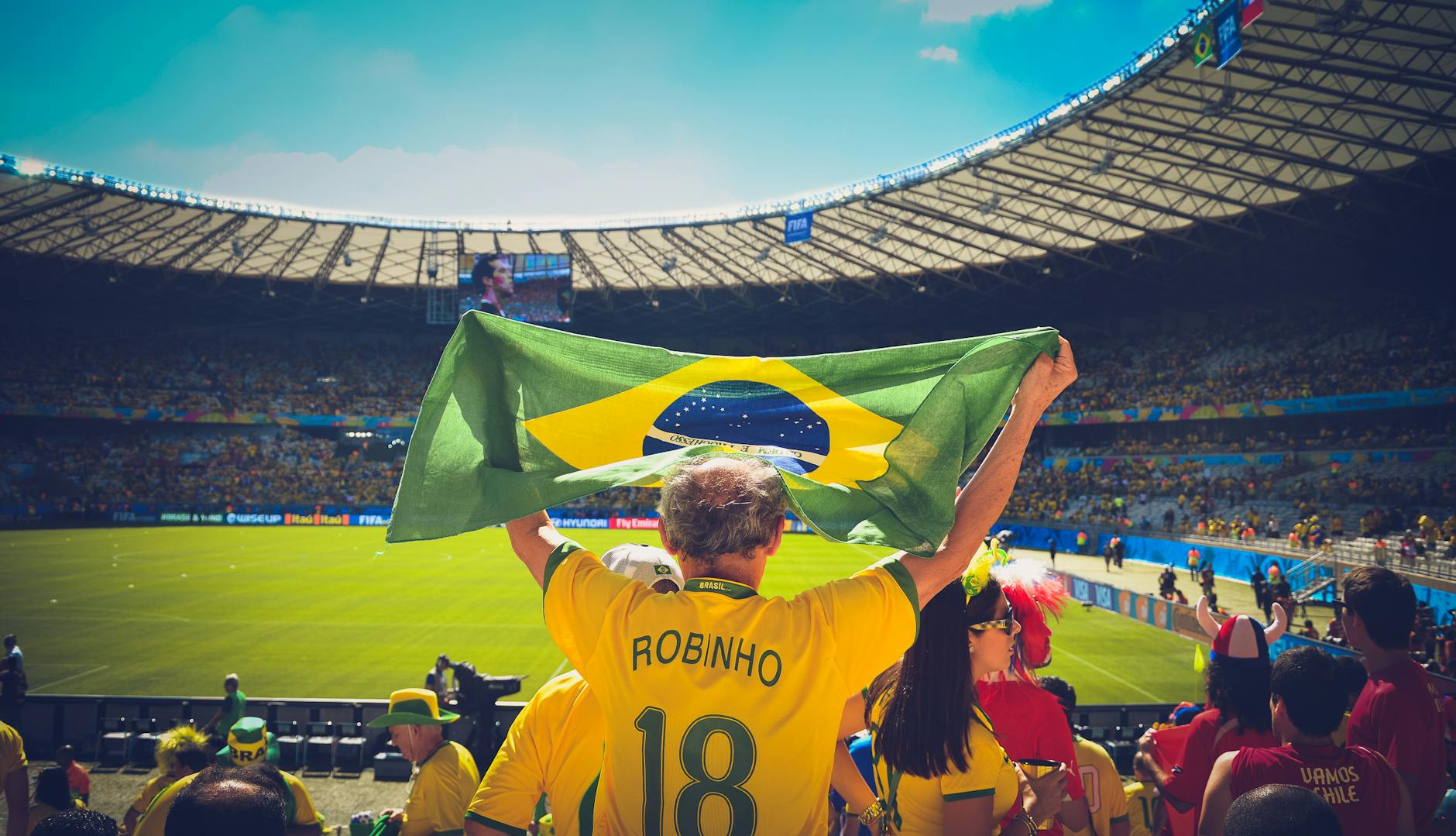
Fan reactions across the host cities have reached a fever pitch. In Mexico City, Miami, and Vancouver, local supporters have created a carnival atmosphere, celebrating the inclusion of nations that historically struggled to qualify. Pundits have noted that this inclusivity has injected a fresh wave of passion into the tournament, with fan bases from Asia, Africa, and Oceania bringing vibrant energy to North American stadiums. However, some traditionalists remain skeptical, claiming that the inclusion of third-placed teams slightly dilutes the exclusivity of the knockout stages. Regardless of the debate, the drama on the pitch has silenced most critics, delivering high-scoring matches and unpredictable finishes that keep fans on the edge of their seats.
Impact & Implications
The confirmation of the Round of 32 matchups has major implications for the remainder of the tournament. With 32 teams entering a single-elimination bracket, the margin for error has shrunk to zero. Powerhouses who underperformed in the group stage but still managed to scrape through as third-placed qualifiers now find themselves on a collision course with group winners. This setup guarantees blockbusting matchups much earlier in the tournament than we have historically seen, potentially clearing out some tournament favorites long before the quarter-finals.
Furthermore, the physical logistics of traveling across the vast landscapes of Canada, Mexico, and the United States will play a massive role in team performance. A team playing their Round of 32 match in the high altitude of Mexico City might have to travel thousands of miles to the humid conditions of Miami for their next fixture. This geographical challenge adds an extra layer of complexity to preparation, recovery, and tactical planning. The bracket pathway is now set, and teams must balance their immediate tactical setups with long-term physical recovery if they hope to survive this grueling elimination process.
Looking Ahead
As we peer into the immediate future, several Round of 32 fixtures stand out as absolute must-watch encounters. The tactical chess matches between elite European midfields and South American flair will take center stage. Teams that rely on defensive solidity will find themselves severely tested by teams that have shown relentless attacking intent throughout the group stages. Analysts are particularly keen to see how coaches adapt their strategies for extra time and penalty shootouts, which now loom over every single fixture from this point forward.
For fans looking to plan their viewing schedules and track their favorite team's potential path to the final, understanding the layout of the tournament is essential. You can explore the full roadmap of the tournament, including potential matchups and venue details, by visiting the FIFA World Cup 2026 Bracket: Quarter-Finals Schedule. Additionally, as we anticipate high-profile clashes, looking back at epic European encounters like the Portugal vs Croatia World Cup 2026 Highlights & Analysis can provide valuable clues on how these elite squads handle high-pressure knockout environments.
Conclusion
The FIFA World Cup 2026 has successfully transitioned into its most volatile and exciting phase. The journey through the group stage was a testament to the global growth of football, proving that the gap between the traditional elite and the rest of the world has narrowed significantly. The newly minted Round of 32 promises to deliver drama, heartbreak, and heroism in equal measure. As 32 teams prepare to step onto the pitch with their tournament lives on the line, the world watches in anticipation of who will rise to the occasion and who will fall by the wayside.
Ultimately, this tournament is redefining what it means to be a global champion. Surviving an extra round of knockout football requires a perfect blend of tactical genius, physical resilience, squad depth, and a little bit of tournament luck. Whether a traditional powerhouse reclaims their throne or a new champion emerges from the expanded field, the Round of 32 will be remembered as the crucible where the true contenders were separated from the pretenders. The stage is set, the whistle is about to blow, and football history is waiting to be written.