USA defeats Australia 2-0 in a dramatic World Cup 2026 clash. Read our detailed match analysis, tactical breakdown, and post-game reactions.
Introduction: A Tale of Two Halves in Seattle
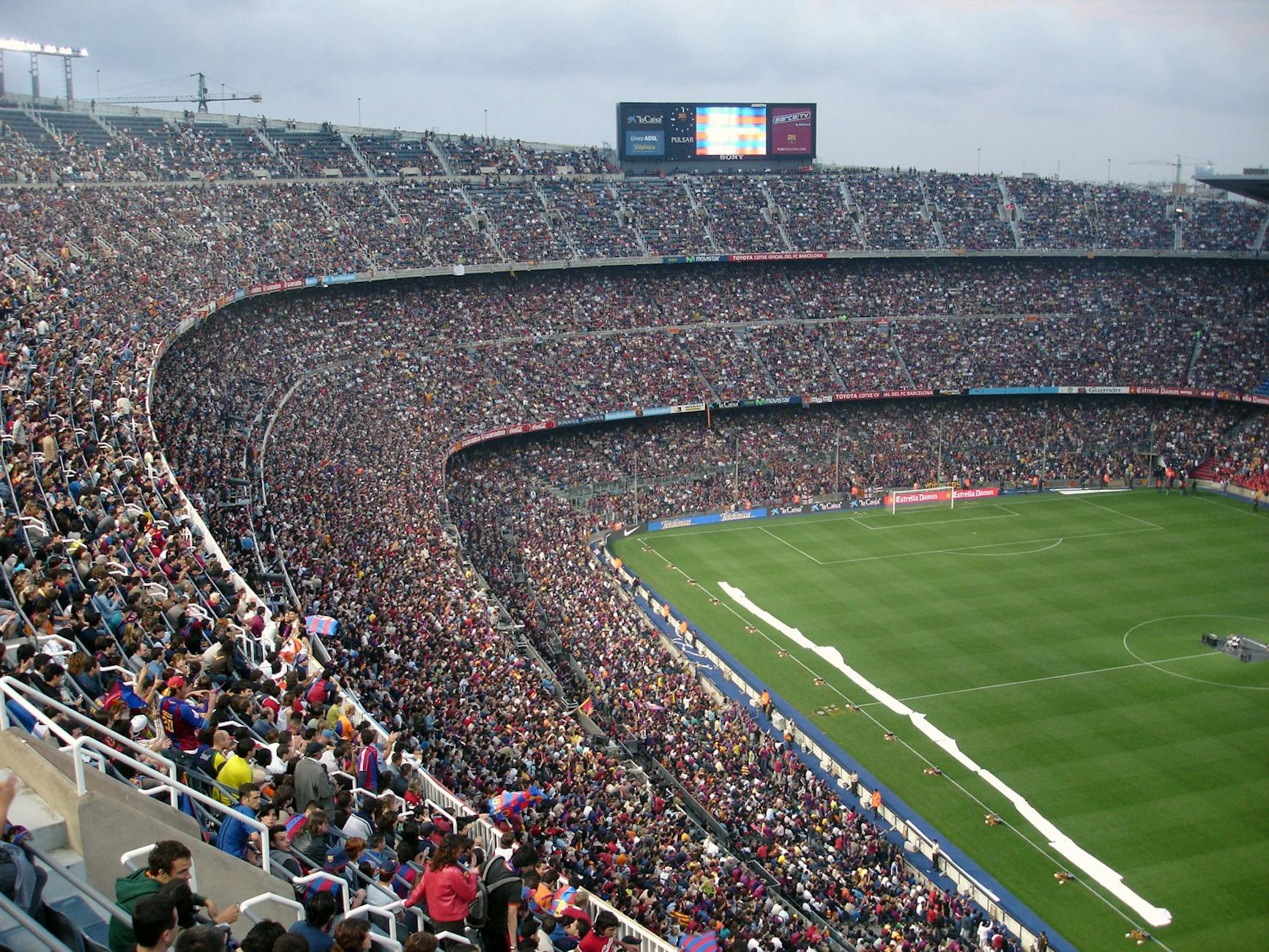
The stage was set for a classic FIFA World Cup 2026 encounter as the United States men's national team welcomed Australia in a highly anticipated group-stage clash. Under the brilliant Pacific Northwest sky, the atmosphere inside the stadium was electric, fueled by a partisan home crowd desperate to see the host nation make a statement on the world stage. From the first whistle, the intensity of the occasion was palpable, but it was the Americans who seized the initiative, capitalising on a sluggish and disjointed Australian start to secure a vital 2-0 victory. For the USMNT, the result represents a massive step toward the knockout rounds, while the Socceroos are left to ponder what might have been after a vastly improved but ultimately fruitless second-half display.
The match will be remembered as a classic tale of two halves. The opening 45 minutes belonged entirely to the hosts, who pressed with relentless energy, winning every physical duel and forcing Australia into costly defensive errors. Two first-half goals, including a dramatic VAR-reviewed strike from Alex Freeman, put the Americans firmly in the driver's seat. However, Australia’s tactical adjustments at halftime sparked a spirited resurgence. Led by a bolder defensive press and injection of youth, the Socceroos dominated the second-half proceedings but were unable to breach a resilient American backline. As the final whistle blew, the contrasts between the two performances left both managers with plenty to dissect ahead of their remaining group fixtures.
Background & Context: The Road to 2026
To understand the magnitude of this fixture, one must look at the unique pressure riding on both nations in this expanded 48-team tournament. As co-hosts, the United States entered the tournament under immense scrutiny, with fans and pundits demanding a deep run to prove the sport's growth in North America. Group-stage matches are notoriously tense, and securing three points in the opening phases of the tournament is paramount to avoiding a premature exit. Australia, on the other hand, arrived under the stewardship of Tony Popovic, a manager known for his defensive organisation and tactical discipline, but one who has had to rebuild the national team's identity in a highly competitive global landscape.
Historically, matches between the USA and Australia have been tightly contested, characterized by physical battles and tactical chess matches. For this specific encounter, the pre-match tactical talk centered heavily on how Popovic would set up his defensive block to neutralise the explosive pace of the American wingers. The selection choices made by both managers raised eyebrows before kick-off, with fans debating the merits of starting experienced veterans versus unleashing highly touted youth prospects. For a comprehensive breakdown of how both teams lined up, including late fitness tests and tactical formations, readers can explore our detailed USMNT vs Australia Lineup & Starting XI: World Cup 2026 report.
Key Details & Analysis: Tactical Breakdown and Refereeing Controversy
The first half was a tactical nightmare for Tony Popovic. The Socceroos appeared completely overwhelmed by the occasion, looking heavy-legged and unable to cope with the high-intensity press of the United States. The Americans dominated the midfield battle, winning second balls and exploiting the wide channels with ease. This dominance quickly translated into goals. The opening goal came from a defensive lapse, but it was the second goal that sparked major controversy. Australia's young goalkeeper, Patrick Beach, appeared to be impeded by an American attacker as a corner was swung into the six-yard box. Despite vehement protests from the Australian players and coaching staff, the referee allowed the goal to stand, a decision that would become a massive talking point after the match.
The peak of the first-half drama arrived when Alex Freeman found the back of the net, sending the home crowd into raptures. However, the celebrations were momentarily cut short as the referee signaled for a VAR review to check for a potential offside in the buildup. Reflecting on the tense moments on the pitch, Freeman later admitted his anxiety during the delay. "I was kind of anxious when they went to VAR," Freeman said after the match. "When it was confirmed, my teammates all started running, and I thought I’ve gotta run – they’re going to tackle me." The confirmation of the goal cemented the USA's 2-0 lead and left Australia with a mountain to climb.
Adding to the bizarre nature of the match, the refereeing performance became a focal point of criticism from fans and commentators alike. During the grueling second half, the head referee suffered from severe muscle cramps, briefly halting play and drawing ire from the broadcasting booths. Critics on BBC Sport were quick to point out the irony of an elite official suffering from cramp, noting that top-tier referees are expected to run upwards of eight miles a game without stopping. On fan message boards, the sentiment was far harsher, with one disgruntled supporter writing: "This referee is nowhere near World Cup level: he’d struggle to keep an U6s small-sided game under control." While some refereeing forums noted that the physical demands on officials are unprecedented at this level, the overall officiating display left much to be desired for both camps.
Expert Perspective: Coach Reactions and Fan Verdicts
Following the match, a visibly frustrated yet reflective Tony Popovic did not hold back in his assessment of Australia's dismal first-half showing. Speaking to the host broadcaster, the Socceroos boss lamented his side's lack of energy. "I don’t know if it’s the occasion, but we looked sluggish, heavy-legged, dull, quicker, dull, more powerful," Popovic remarked. "They won every duel, they won every second ball and when you do that, it makes it very difficult to get any, gain any momentum. And then we conceded two soft goals." However, Popovic was quick to praise his team's character and tactical adjustment after the interval. "I thought the reaction second half was outstanding. When you think, you know, this noise here – host nation -- I think the players show how good they are in the second half, but obviously at this level, you can’t give away that much in the first."
When pressed on the controversial second goal and the overall quality of the officiating, Popovic remained diplomatic but made his feelings clear. "Yeah, I’m not sure on that one," he said regarding the apparent obstruction on Patrick Beach. "I think today was, I wouldn’t say the best day for the referee." This sentiment echoed across the global football community, with refereeing experts agreeing that while the decision to award the goal was highly debatable under current interpretations of the Laws of the Game, it highlighted the inconsistencies that still plague VAR implementation at major tournaments.
Meanwhile, the post-match fan mailbag was filled with a mixture of cultural observations, tactical advice, and optimistic predictions. Commenting on the unique atmosphere in Seattle, fan Christopher Barnes noted, "It makes a lot more sense for fans in Seattle to sing John Denver’s song than it does for United fans at Old Trafford. Still, American chants are woeful." On the pitch, supporters urged Popovic to make bold changes for the next fixture. Fan James Paraskevas wrote, "Good performance and subs in the second half. Australia recovered well and have something to take into the Paraguay game. A lesser team would have collapsed and lost by more than two. We showed we can play football and press high. Volpato, Irankunda need to start in the next game if fit." Another fan, Chris Paraskevas, maintained an incredibly optimistic outlook: "Hardly a terminal result for our chances: I’m still confident this disappointing result/performance will be a footnote in history after we lift the World Cup next month."
Impact & Implications: Group Standings and Tournament Math
With this 2-0 victory, the United States have put themselves in a commanding position in the group. The three points, combined with a healthy goal difference, mean the hosts can approach their next match with a degree of tactical flexibility. For Australia, the defeat is a significant setback, but far from a fatal blow to their World Cup ambitions. Because of the expanded tournament format, the best third-placed teams will also advance to the knockout rounds, meaning every single goal scored or conceded could prove critical when the group stage concludes. Popovic's side must now focus on maximizing their points return in their remaining fixtures to ensure they do not rely on complex mathematical tiebreakers.
The result also places massive importance on the other matches in this highly competitive group. Tactical analysts will be keeping a close eye on the upcoming clash between Turkey and Paraguay, a fixture that will directly influence Australia's path to qualification. To understand how the group dynamics are shifting and what the Socceroos need to do to qualify, you can read our comprehensive guide on the Turkey v Paraguay: World Cup 2026 – Match Analysis & Standings. If Paraguay can secure a positive result, it will throw the group wide open, turning Australia's next match into a virtual must-win playoff.
Looking Ahead: Next Matches and Predictions
For Australia, the immediate priority is physical recovery and tactical refinement before they face Paraguay. The second-half performance against the USA demonstrated that when the Socceroos play with courage, press high up the pitch, and trust their technical abilities, they can compete with the very best. Popovic will likely face immense pressure from fans and media to hand starting roles to exciting young talents like Nestory Irankunda and Cristian Volpato. Their pace, unpredictability, and fearlessness could be the exact antidote needed to unlock a stubborn South American defence. Fans looking to analyze the tournament's overall trajectory and betting markets can check out the latest FIFA World Cup 2026 Odds, Picks, Predictions.
On the other side of the bracket, the United States will look to build on their first-half masterclass and maintain their momentum as the tournament progresses. Winning a home World Cup requires not just tactical brilliance, but the ability to handle the emotional highs and lows of tournament football. Former players and pundits are already debating whether this American squad has the depth and mental fortitude to go all the way. For instance, former international goalkeeper David James Backs England to Win FIFA World Cup 2026, but he noted that home advantage can often become a double-edged sword if pressure begins to mount on the host nation. The USMNT must ensure they remain grounded and avoid the second-half complacency that allowed Australia back into the game.
Conclusion: Lessons Learned on the World Stage
In conclusion, the 2-0 victory for the United States over Australia in Seattle provided a fascinating spectacle that encapsulated the beauty and brutality of World Cup football. For the USA, the match was a demonstration of their devastating attacking potential and the raucous power of their home support. It proved they can blow teams away when they play with tempo and aggression. However, the second-half drop-off serves as a timely warning that lapses in concentration will be punished by more clinical opposition as the tournament progresses to the business end.
For Australia, the defeat is a harsh lesson in the clinical nature of international football, but one that comes with a silver lining. The tactical adjustments and physical response in the second half proved that the Socceroos possess the character, system, and talent to compete at this level. If Tony Popovic can bottle the energy, high press, and bravery his side showed in the final 45 minutes and apply it from the opening whistle in their next match, Australia's World Cup journey is still very much alive. The road to football immortality is rarely smooth, and both of these nations have shown they have the quality to make this tournament one to remember on FIFA.com.