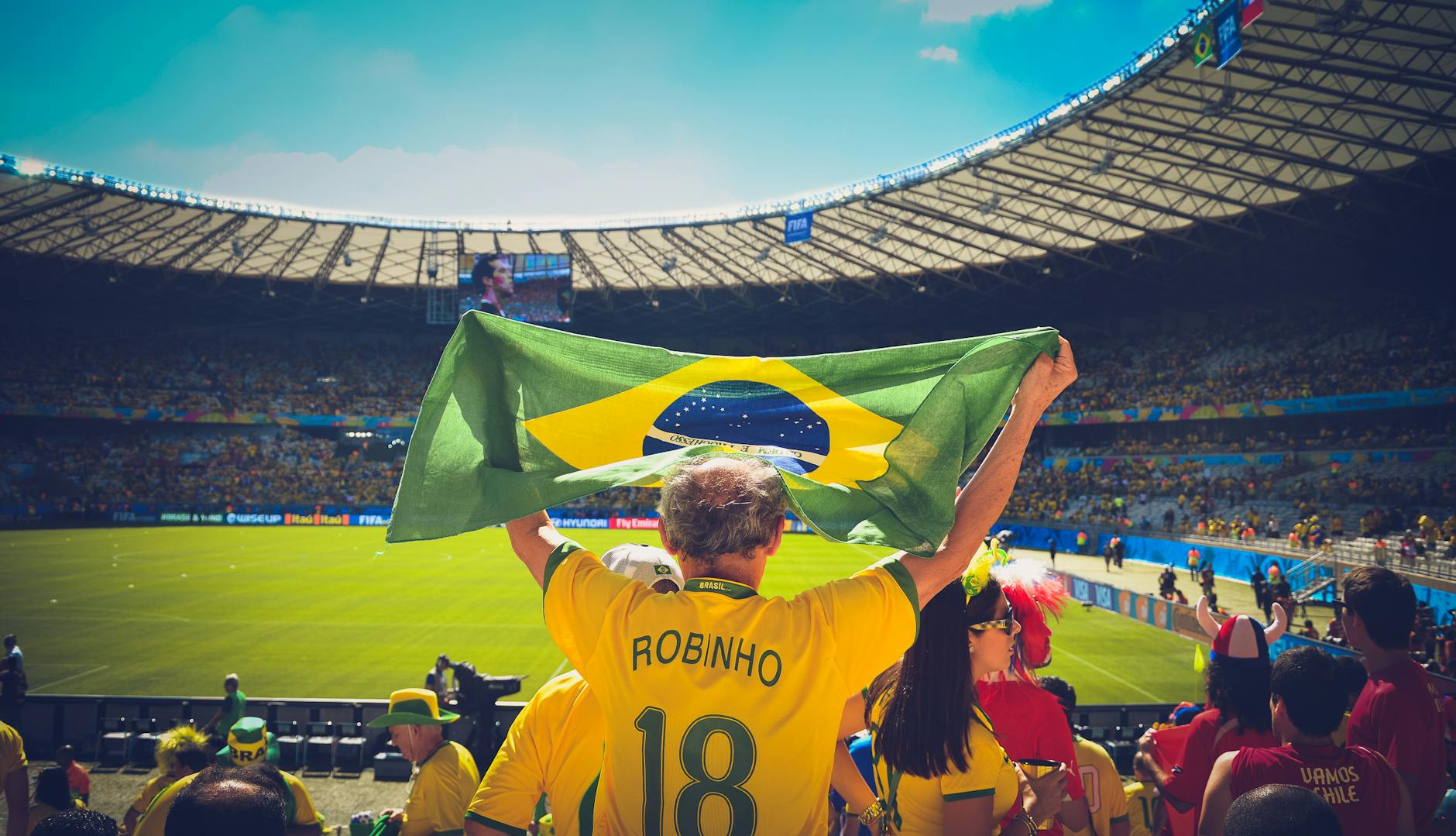
The USMNT suffered a late 3-2 defeat to Turkey in their final group match. Read our detailed analysis as they prepare to face Bosnia in the Round of 32.
Introduction: A Night of Drama and Lessons in Los Angeles
The United States Men’s National Team (USMNT) experienced the full spectrum of World Cup emotion in a single, chaotic evening at the Los Angeles Stadium. In front of a raucous crowd of 70,492 fans, the Americans were reminded that international football at this level forgives no lapses in concentration. Having already secured their passage to the knockout stages as Group D winners, Mauricio Pochettino’s side fell to a dramatic, last-gasp 3-2 defeat against a proud and resilient Turkish side. The loss, sealed by Kaan Ayhan’s strike with the very last kick of the match, brought an abrupt end to the festive atmosphere that had enveloped the host nation after two stellar opening performances.
Despite the sting of the late defeat, the bigger picture remains incredibly bright for the USMNT. The squad has already written its name into the history books this summer, executing a group-stage campaign that exceeded many pre-tournament expectations. However, the defensive frailties exposed by Turkey have introduced a sharp dose of reality. As the tournament transitions into the unforgiving single-elimination bracket, where the USMNT is scheduled to face Bosnia and Herzegovina in the Round of 32, Pochettino and his coaching staff have plenty of tactical homework to complete. The luxury of experimentation is now over, and the real tournament begins now.
Background & Context: A Historic Group Stage Run Interrupted
Prior to Thursday night’s setback, the USMNT was riding the crest of a historic wave. Under the guidance of tactical mastermind Mauricio Pochettino, the Americans opened their 2026 World Cup campaign with a level of ruthlessness seldom seen from the program. They registered their highest-ever goal tally in a single World Cup match, showcased a fluid, modern style of play, and won two consecutive matches in the tournament for the first time in the modern era. This early dominance allowed them to wrap up the top spot in a highly competitive Group D with a game to spare, turning what could have been a high-pressure finale against Turkey into a tactical laboratory.
The buildup to this final group fixture was characterized by immense optimism. Fans and pundits alike were eager to see how the depth of the roster would fare against European opposition, especially after the tactical breakdowns of previous years. In the days leading up to the match, analysts weighed the pros and cons of heavy squad rotation, a topic thoroughly explored in the 2026 World Cup: USA vs. Türkiye Preview. Turkey, conversely, entered the match playing for nothing but pride. Having endured a disastrous tournament that saw them eliminated from knockout contention early, the Crescent-Stars were desperate to leave North America with a performance that could salvage their reputation.
Key Details & Analysis: Tactical Experiments and Defensive Fragility
The headline story of the team sheet was Pochettino’s decision to make ten changes to the starting lineup that had defeated Australia and Paraguay. Only midfielder Weston McKennie retained his spot, serving as the veteran anchor for an experimental starting XI. The depth of the squad was further tested by a quad injury to Seattle Sounders captain Cristian Roldan, whose veteran leadership and stabilizing presence in midfield were sorely missed. This forced Pochettino to field a less experienced engine room, which struggled to replicate the quick transition play and high-pressing intensity that had characterized the first two matches of the tournament.
The match began in dream fashion for the host nation. Utilizing the dead-ball expertise of Sebastian Berhalter, the USMNT threatened early with two beautifully delivered corner kicks. The first delivery flashed dangerously across the face of the goal, agonizingly evading a touch. The second corner, lofted high toward the back post, found an unmarked Auston Trusty. The defender adjusted his body superbly to squeeze a shot past the Turkish goalkeeper from a tight angle, sparking wild celebrations. Trusty sprinted directly to the technical area, engulfing Pochettino in a fierce embrace that symbolized the strong bond developing between the new manager and his roster.
However, the joy was short-lived as tactical vulnerabilities began to surface. Abandoning the fluid, asymmetric backline that had served them so well in the opening matches, the USMNT reverted to a traditional flat back four. This defensive structure had plagued the team throughout 2025 and was famously exploited by Belgium in a 5-2 friendly defeat in March. Turkey quickly took advantage of the structural confusion. In the 10th minute, Real Madrid prodigy Arda Güler sliced through the American defense with a brilliant run, using Barış Alper Yılmaz as a screen before leaving Mark McKenzie stranded and slotting home the equalizer. The defensive disorganization struck again in the 31st minute when Orkun Kökçü capitalised on a loose ball in the penalty box to put Turkey ahead, marking the first time the USMNT had trailed in the tournament.
Expert Perspective: The Cost of Rotation and Tactical Identity
From an analytical standpoint, Pochettino’s sweeping squad rotation has sparked intense debate among former players and television pundits. While resting key starters ahead of the physical grind of the knockout stages is standard practice at a World Cup, critics argue that changing ten players destroyed the tactical chemistry and defensive understanding of the team. The flat back four looked disconnected from the midfield, leaving massive gaps in the half-spaces that talented playmakers like Güler were all too happy to exploit. According to tactical analysts, the lack of a cohesive defensive block made the Americans look highly vulnerable to quick counter-attacks.
Despite the defensive concerns, some pundits highlighted the positive individual performances that emerged from the defeat. Sebastian Berhalter’s display was a major talking point; the midfielder not only assisted the opening goal but also scored a sensational, technically demanding volley just after the halftime interval to draw the Americans level. Such moments of individual brilliance showed that while the collective defensive structure faltered, the individual talent pool of the USMNT is deeper than in previous cycles. However, the consensus remains that a championship-winning team cannot rely solely on moments of magic; defensive solidity must be restored before the knockout phase begins.
Impact & Implications: Navigating the Bracket of Death
In the grand scheme of the tournament, this defeat does not alter the USMNT’s position at the top of Group D. They progress as the seeded team, which on paper should yield a more favorable matchup. Yet, the psychological impact of conceding a late winning goal cannot be entirely dismissed. Entering the Round of 32 on the back of a loss introduces a layer of pressure and self-doubt that Pochettino must quickly dispel. The manager must convince his squad that the Turkey match was an isolated experiment rather than a reflection of their true capabilities.
The wider landscape of the 2026 World Cup has already shown that no team is safe from upsets, with several traditional powerhouses struggling to assert dominance in the group stages. For instance, fans have witnessed highly competitive fixtures across all groups, drawing parallels to other tournament highlights like the Portugal vs Uzbekistan 5-0 Highlights | FIFA World Cup 2026, which demonstrated how elite teams punish defensive mistakes. The USMNT must internalize these lessons quickly. In knockout football, a single defensive lapse of the kind that allowed Kaan Ayhan to score in the 94th minute will result in immediate elimination and the end of a historic home-soil dream.
Looking Ahead: Preparing for Bosnia and Herzegovina
The focus now shifts entirely to the Round of 32, where the USMNT will face Bosnia and Herzegovina. The European side presents a physical, disciplined challenge that will test the Americans' ability to break down a low defensive block while remaining secure against counter-attacks. Pochettino is expected to restore his preferred starting lineup, bringing back the stars who rested during the Turkey match. The return of their fluid defensive system and first-choice midfield pairings will be crucial in re-establishing the high-tempo style that captivated fans in the opening week.
This match will also be a test of mental fortitude for the younger players in the squad. The pressure of playing a knockout match in front of a home crowd is immense, comparable to the global spotlight faced by the game's greatest icons. As we saw when Cristiano Ronaldo Scores First Goal of 2026 World Cup, the tournament's biggest stages demand ultimate focus and leadership from star players. For the USMNT, leaders like Christian Pulisic and Weston McKennie must step up to guide the younger elements of the squad through the high-intensity environment of knockout football.
To learn more about the tournament schedule, team statistics, and official updates, fans can consult FIFA.com for comprehensive coverage of the knockout brackets. Additionally, detailed tactical breakdowns and post-match analysis can be found on major sports networks like ESPN as the knockout rounds get underway.
Conclusion: A Timely Wake-Up Call for the Hosts
Ultimately, the 3-2 defeat to Turkey should be viewed not as a disaster, but as a timely wake-up call for a young and highly ambitious USMNT side. World Cup campaigns are rarely smooth, linear journeys to glory; they are defined by how teams respond to adversity. By experiencing a painful, last-minute defeat in a match where the stakes were relatively low, the Americans have received an invaluable lesson in the importance of game management and defensive concentration without paying the ultimate price of elimination.
As Mauricio Pochettino prepares his players for the intense pressure of the knockout rounds, the historic achievements of the group stage still provide a strong foundation of confidence. The USMNT has shown they can score goals, dominate games, and compete with the very best. If they can marry their offensive fluidity with the defensive discipline required at this level, their journey in the 2026 World Cup is only just beginning. The road to the final is long and treacherous, but the American dream remains very much alive.
USMNT World Cup 2026USA vs Turkey 2026Mauricio Pochettino tacticsRound of 32 USAUSMNT vs BosniaSebastian Berhalter goalAuston Trusty goalWorld Cup group D standings