The 10 Biggest Disappointments of the 2026 World Cup Sports Illustrated
Introduction: The Brutal Reality of the 48-Team Era
The 2026 FIFA World Cup, co-hosted across the vast landscapes of Canada, Mexico, and the United States, promised to be the grandest spectacle in football history. With the tournament expanding to an unprecedented 48 teams, the stage was set for a festival of goals, dramatic underdog stories, and high-octane football. Yet, behind the glittering lights of Mercedes-Benz Stadium and the historic echoes of the Estadio Azteca, the tournament also served as a graveyard for the ambitions of several footballing heavyweights. For every triumphant underdog story that captured the world's imagination, there was a corresponding narrative of tactical failure, individual regression, and systemic collapse.
In international football, the margin between legendary status and public condemnation is razor-thin. As the dust settles on this historic tournament, sports analysts and fans alike are dissecting the campaigns that went horribly wrong. From tactical rigidity and dressing-room discord to the physical burnout of elite superstars, the tournament exposed the vulnerabilities of teams that many expected to challenge for the famous gold trophy. This comprehensive review examines the ten biggest disappointments of the 2026 World Cup, analyzing how pre-tournament favorites lost their way and why some of the game's biggest icons failed to deliver on the grandest stage of all.
Background & Context: A Changing Landscape of Global Football
To understand the magnitude of these failures, one must examine the context in which the 2026 World Cup took place. The transition to a 48-team tournament fundamentally altered the physical and mental demands placed on players and coaching staffs. Teams had to navigate complex travel schedules across three massive nations, dealing with varying climates, altitudes, and time zones. Furthermore, the expansion of the tournament led to discussions about the sheer volume of fixtures elite players are subjected to in the modern era, raising concerns that the quality of play would suffer due to sheer exhaustion.
This debate has been brewing for years, particularly as governing bodies continue to seek ways to maximize global engagement and commercial revenue. Some critics argued that expanding the tournament would dilute the quality of the group stages, a sentiment echoed in discussions surrounding further changes, such as how FIFA eyes World Cup format expansion from 48 to 64 teams: Should the U struggle to maintain competitive integrity. The sheer scale of the 2026 tournament meant that global viewership reached astronomical heights, with millions of fans tuning in across various broadcasting networks. Indeed, as reports indicated, FOX Sports Hits Record 10.252M Viewers for France-Morocco, showing that the global spotlight was brighter than ever, making any high-profile failure all the more public and devastating.
Key Details & Analysis: The Ten Biggest Disappointments
1. Mexico’s Group Stage Nightmare on Home Soil
Perhaps no disappointment felt more visceral than Mexico's inability to capitalize on home-field advantage. Playing in front of a fanatical home crowd at the Estadio Azteca, El Tri exhibited a shocking lack of offensive creativity and defensive cohesion. Tactical rigidity and a failure to integrate younger talent left the squad looking sluggish against transition-heavy opponents, resulting in a premature exit that left a nation in mourning and prompted immediate calls for a complete overhaul of the national team's developmental infrastructure.
2. Germany's Midfield Malaise and Tactical Identity Crisis
Germany entered the tournament hoping to erase the memories of recent tournament disasters, but instead, they repeated them. Despite possessing a squad filled with UEFA Champions League winners, the team suffered from a profound lack of tactical cohesion. The midfield transition was slow, and their high defensive line was repeatedly exposed by fast, direct counter-attacks. This failure ultimately led to immense pressure on the coaching staff, paving the way for monumental leadership changes as Klopp agrees to replace Nagelsmann as Germany coach in a desperate bid to rebuild the nation's footballing identity ahead of the next cycle.
3. The Physical Burnout of Elite European Strikers
Several of Europe's most feared goalscorers arrived at the tournament looking like ghosts of their club selves. Exhausted by an expanded domestic and continental club calendar, these superstars lacked the explosive acceleration and sharpness required to break down disciplined international low-blocks. The lack of rest between the end of the club season and the start of the tournament in North America highlighted a growing crisis in player welfare, where the entertainment industry's demands are directly compromising the quality of the on-field product.
4. Brazil's Quarterfinal Mental Block
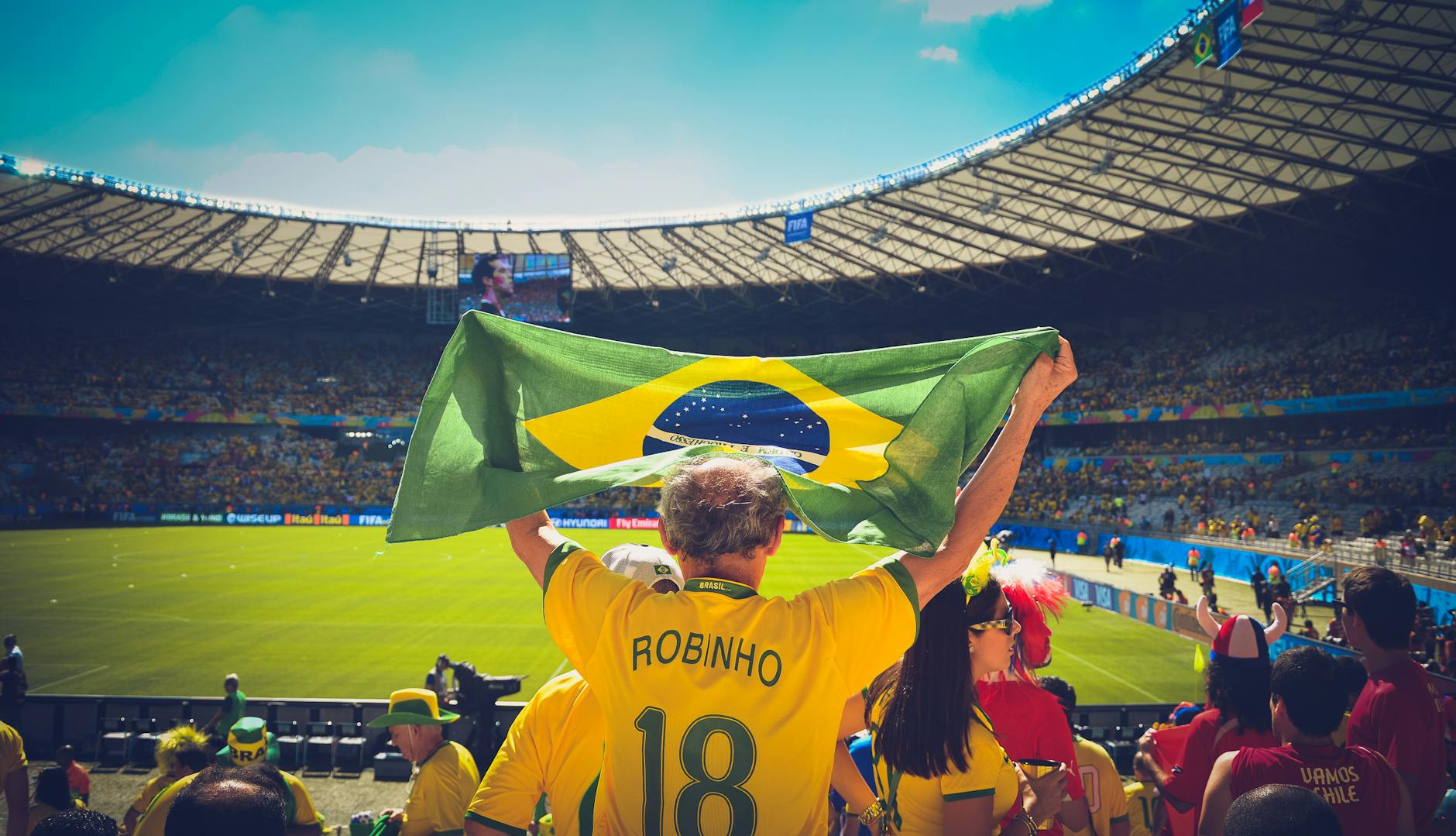
Brazil once again brought a squad brimming with individual brilliance, yet they were undone by the same psychological and tactical frailties that have plagued them for two decades. When faced with highly organized European opposition in the knockout rounds, the Seleção abandoned their structural discipline in search of individual magic. This lack of tactical maturity in high-pressure moments saw them exposed on the counter-attack, extending their agonizing wait for a sixth star and raising serious questions about the mental preparation of their domestic stars.
5. Belgium’s Golden Generation Reaches a Whimper of an End
The final remnants of Belgium's famed "Golden Generation" officially ran out of steam in 2026. With an aging squad that lacked the dynamic energy of their peak years, the Red Devils struggled to impose their will on younger, more athletic mid-tier nations. The tournament highlighted a failure by the Belgian FA to transition seamlessly to the next generation, leaving a few aging superstars to carry a burden they were physically no longer capable of sustaining.
6. The USMNT’s Tactical Rigidity Under Pressure
With the eyes of a nation upon them, the United States Men's National Team failed to deliver the breakthrough tournament their supporters had craved. Despite boasting players active in Europe's top leagues, the team struggled with a predictable possession-based style that lacked penetration. When faced with defensively organized opponents who surrendered possession, the USMNT looked devoid of ideas, ultimately falling victim to their own lack of tactical flexibility and clinical finishing in the final third.
7. The Decline of Veteran Midfield Playmakers
The 2026 World Cup marked a difficult transition period for several legendary midfielders who had dominated the global game for over a decade. In the intense heat and high-tempo environments of the North American venues, these iconic playmakers were frequently bypassed by dynamic, hard-pressing midfields. While their technical ability remained unquestioned, their inability to cover ground defensively left their respective teams structurally compromised and forced managers into difficult benching decisions.
8. Officiating Inconsistencies and VAR Frustrations
Despite advancements in technology and referee training, the tournament was marred by highly controversial VAR decisions that directly impacted group standings and knockout progressions. Fans and pundits expressed deep frustration over the lack of consistency in interpreting handball rules and subjective penalty calls. According to reports on FIFA.com, efforts to streamline communication were implemented, but the on-field execution often felt slow and disruptive to the natural flow of the game.
9. Morocco’s Inability to Replicate 2022 Heroics
After their historic semifinal run in Qatar, expectations were sky-high for Morocco. However, they quickly discovered that they could no longer play the role of the unheralded underdog. Opponents approached them with far greater tactical caution, refusing to leave space behind for quick transitions. Unable to break down defensive blocks when forced to dominate possession, the Atlas Lions looked tactically one-dimensional and were eliminated much earlier than public expectation dictated.
10. The Disappointing Quality of Diluted Group Stages
While the expansion to 48 teams allowed smaller nations to experience the magic of the World Cup, it also resulted in several highly uninspiring group-stage matches. The gap in quality between the elite nations and the lowest-ranked qualifiers was occasionally too wide, leading to one-sided affairs or defensive, low-quality stalemates where teams played purely to avoid heavy defeats. This dilution of quality raised serious questions about whether the tournament's expansion was driven by sporting merit or commercial greed.
Expert Perspective: Coaching Decisions and Media Backlash
The tactical failures of several prominent managers became the focal point of post-tournament analysis across major sports networks. Pundits on BBC Sport argued that many coaches failed to adapt to the physical realities of the North American summer. Instead of rotating squads to combat fatigue and travel, several managers relied heavily on a core group of exhausted starters, leading to sluggish performances in the crucial second halves of matches. The media backlash was swift and merciless, particularly in football-mad nations where early exits are treated as national tragedies.
To understand what successful tournament management looks like, experts often point to those who embraced tactical evolution. While teams like Germany and Belgium stagnated, others found success through reinvention. For instance, the tactical flexibility demonstrated by other elite managers showed what was possible with proper squad rotation and structural adaptability; indeed, France unleashed: reinvention could earn Deschamps all-time great stat by showing how a powerhouse can successfully transition its tactical philosophy to remain at the pinnacle of international football. The contrast between these highly adaptable setups and the rigid, outdated systems of the underperforming nations could not have been more striking.
Impact & Implications: A Shift in the Global Football Hierarchy
The fallout from these disappointments will shape the international football landscape for the next four years. Several high-profile managers have already parted ways with their respective federations, and a wave of international retirements is expected as aging squads are dismantled. The failure of traditional powerhouses has opened the door for a new wave of highly organized, tactically disciplined mid-tier nations to assert themselves on the global stage. The gap between the traditional elite and the rest of the world has narrowed, not because the elite have gotten better, but because their tactical complacency has made them vulnerable.
This tournament proved that individual talent alone is no longer enough to guarantee success at the international level. Teams that lacked a cohesive collective identity were consistently exposed by opponents who prioritized defensive organization, physical conditioning, and rapid transitions. A prime example of this collective resilience was Switzerland, whose disciplined approach showed how a well-structured team can overcome individual limitations. Their journey, reminiscent of stories like From Arsenal Jeers to Swiss Tears: Granit Xhaka's Redemption, served as a blueprint for mid-tier nations looking to dismantle the traditional giants of the game through sheer work ethic and tactical discipline.
Looking Ahead: The Long Road to Redemption
For the nations that underperformed in 2026, the rebuilding process begins immediately. The upcoming qualification cycles for the UEFA European Championship, Copa América, and the next World Cup will serve as testing grounds for new tactical philosophies and younger player pools. National federations must confront the systemic issues within their youth development programs, focusing on producing players who are not only technically gifted but physically resilient and tactically adaptable to the modern high-pressing game.
As we look forward to future tournaments, the lessons of 2026 will undoubtedly influence coaching education and squad selection. Managers will likely place a