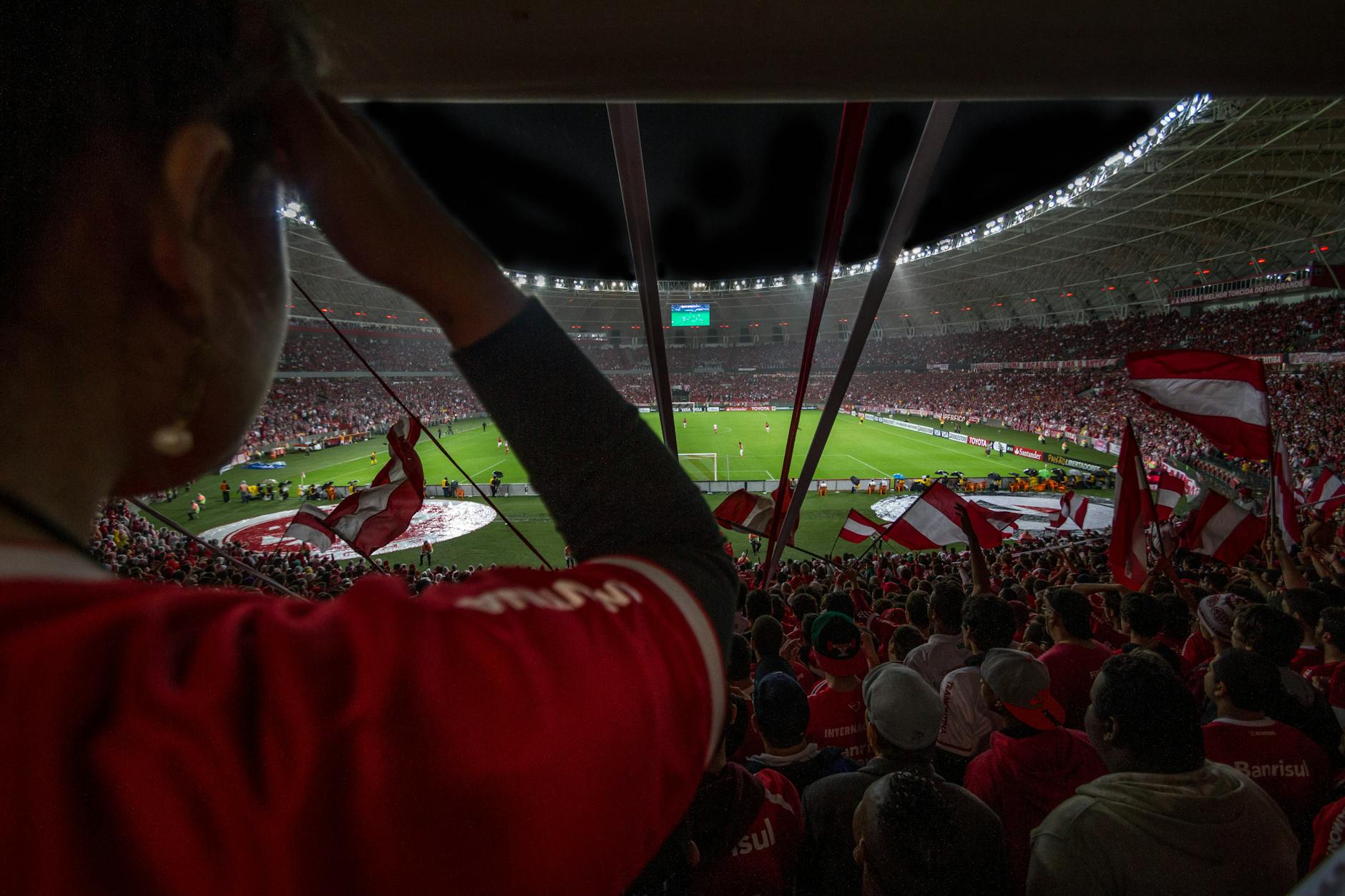
Sheffield United and Birmingham City played out a goalless Championship opener at Bramall Lane. Read the full tactical analysis and match report.
Opening Day Stalemate: Bramall Lane Witnesses Cautious Stalemate
The dawn of a new EFL Championship campaign invariably arrives accompanied by heightened anticipation, renewed optimism, and the lingering promise of tactical evolution. Yet, for Sheffield United and Birmingham City, the curtain-raiser at Bramall Lane offered a sobering reminder of just how unforgiving and abrasive English football’s second tier remains. Both clubs entered the contest harbouring genuine ambitions of mounting sustained promotion challenges, but what played out over ninety attritional minutes was a tactical grind that yielded an underwhelming 0-0 draw.
Neither side managed to find the fluid rhythm or decisive cutting edge required to break the deadlock in a fixture that promised fireworks but delivered discipline over drama. In an opening clash where clear-cut opportunities were at a distinct premium, Chris Wilder’s Blades and Chris Davies’ newly configured Birmingham outfit largely cancelled each other out across the pitch. While a clean sheet provides a steady foundation upon which to build, the lack of incisive attacking verve left supporters on both sides acutely aware that significant squad refinement is still required before the summer transfer window slams shut.
Background & Context: Two Ambitious Projects Collide
The context surrounding this fixture added considerable weight to the opening-weekend showdown in South Yorkshire. Sheffield United, under the seasoned guidance of Chris Wilder, are navigating an era of structural recalibration. With expectations perpetually high among the Bramall Lane faithful, the objective remains firmly focused on establishing the defensive solidity and attacking precision needed to mount a serious top-six push. Wilder’s squads are historically defined by high work rates, aggressive wide overloads, and tactical grit, elements that are still coalescing as newer personnel integrate into his system.
Conversely, Birmingham City arrived at Bramall Lane carrying the momentum of a transformative summer project led by Chris Davies. Backed by ambitious ownership and an overhauled sporting philosophy, the Blues are striving to discard years of inconsistency in favour of a dominant, possession-based approach. Modern football ownership continues to reshape clubs across all levels of the pyramid, much like how global entities navigate high-stakes investments detailed in reports such as the Liverpool owners close to £1.35bn sale of 30% stake to consortium incl discussions. For Birmingham, modernising their sporting infrastructure is the central pillar of their long-term vision, making this opening test against a seasoned Championship powerhouse an ideal barometer of their progress.
Recent meetings between these two historic clubs have often been finely balanced, tactical affairs where margins are decided by individual errors or isolated moments of brilliance. Entering the contest, both managers stressed the importance of laying down an early psychological marker. However, opening-day fixtures frequently suffer from physical rustiness, tactical caution, and the burden of expectation, factors that heavily dictated the tempo and structure of this encounter from the opening whistle.
Key Details & In-Depth Tactical Analysis
A Cagey First Half Devoid of Penetration
The first forty-five minutes encapsulated the quintessential opening-day fixture: fiercely contested in the middle third, high on physical commitment, but remarkably low on attacking enterprise. Neither goalkeeper was called into meaningful action as the half concluded without a single shot on target recorded by either team. Both sides deployed compact mid-blocks designed to restrict central progression, forcing play into wide areas where crossing avenues were diligently closed down by well-drilled defensive lines.
The only sequence of sustained goalmouth threat occurred just before the half-hour mark when the game briefly burst into life. Sheffield United carved out the first notable opening when Femi Seriki pushed forward from full-back, delivering a deflected cross into the penalty area. Experienced forward Patrick Bamford adjusted his body sharply to hook an instinctive effort towards goal, only to see the ball glance agonizingly wide of the far post. It was a rare glimpse of vertical incision from the Blades, who otherwise struggled to connect their midfield build-up with their front line.
Birmingham responded almost instantaneously with their best attacking passage of the opening period. Left-back Alex Cochrane delivered an exquisite, curling cross from deep that bypassed the Sheffield United centre-backs and found Paik Seung-ho making an unchecked late run into the box. However, the South Korean international mistimed his jump slightly and failed to generate sufficient power or direction on his header, steering the ball harmlessly wide to let the hosts off the hook.
Second-Half Adjustments and Goalkeeping Intervention
Recognising the need for greater urgency, Birmingham City emerged from the interval with renewed attacking purpose, pressing higher up the pitch and dictating the tempo of possession. In the 58th minute, the visitors engineered the clearest opening of the match. Carlos Vicente found himself played clean through behind the Sheffield United defensive line, advancing into the penalty box with options available. In a moment of hesitation, Vicente opted to square an unselfish pass across the face of goal rather than unleashing a shot himself, allowing Blades defender Japhet Tanganga to produce a vital interception to avert disaster.
The visitors continued to turn the screw, registering the game's first official shot on target in the 62nd minute. Jay Stansfield, a constant menace with his intelligent off-the-ball movement, created space on the edge of the area and struck a crisp, low drive destined for the bottom corner. Sheffield United goalkeeper Michael Cooper reacted swiftly, getting down low to tip the effort away and preserve parity. Moments later, Cooper was called into action once more, comfortably gathering a speculative long-range effort from Stansfield as Birmingham looked to capitalise on their momentum.
Having weathered the storm, Chris Wilder’s side gradually regained their footing and created their best chance of the second half in the 74th minute. Creative midfielder Callum O'Hare picked up possession in the half-space and slotted a weighted pass through the defensive channels, putting Bamford through on goal. With Bramall Lane holding its breath, Bamford struck a first-time shot, but Birmingham goalkeeper James Beadle stood tall, producing an outstanding reaction save with his trailing leg to keep the scores level. Despite late substitutions and tactical tweaks, neither side possessed the requisite quality in the final third to break the deadlock before the referee brought an end to proceedings.
Expert Perspective: Managerial Assessments and Tactical Readouts
Following the final whistle, both managers provided candid, transparent evaluations of their teams' performances, reflecting their differing perspectives on the ninety-minute battle. Sheffield United boss Chris Wilder was forthright about his team’s shortcomings with the ball, while acknowledging the importance of establishing a solid defensive foundation.
“For us, we turned the ball over too cheaply,” Wilder admitted in his post-match press conference according to Sky Sports. “I always thought it was going to be a game of moments where we had to find a bit of quality, and we never found that quality that we were after. Out of possession, we were okay. A clean sheet is relatively important for us; we have to have something to build on. Overall, seven out of ten for us; a lot of work to be done on the training pitch, trying to improve the team because we're light in a couple of areas, but I'm sure we can work that one out.”
Wilder’s appraisal hit upon a core truth: Sheffield United’s structure off the ball was disciplined, but their transitional play lacked cohesion. The spacing between the midfield double-pivot and the attacking trident often appeared disjointed, forcing Bamford into isolated aerial duels against physical centre-halves. For Wilder, who demands relentless offensive productivity from his wide players and overlapping runners, finding solutions in the transfer market before deadline day will be paramount.
In contrast, Birmingham manager Chris Davies took an upbeat view of his side’s display, highlighting their tactical superiority during key phases of the contest. Davies noted that his team executed their game plan effectively and generated the higher-quality opportunities over ninety minutes.
“I think if anyone was going to win it, it would have been us. We were the better team actually in the game,” Davies explained. “I thought in terms of the chances, the momentum that we had, and the way we approached it, I said to the players, it's often a feeling, and you look like a team that was really ready to compete. Coming to Bramall Lane on the opening day is as tough as it gets in this division, and to control large periods of the second half shows we are heading in the right direction.”
Impact & Implications: The 46-Game Marathon Begins
In the expansive context of a 46-game Championship season, an opening-day draw is neither a catastrophic setback nor a definitive triumph. However, the performance dynamics offer vital clues about the developmental trajectories of both squads. For Sheffield United, dropping points at home is never part of the ideal script, particularly when home form traditionally underpins successful promotion campaigns. The point puts them on the board, but the tactical disconnect in possession emphasizes the urgency of their recruitment operations over the coming weeks.
For Birmingham City, emerging from Bramall Lane with a point and a clean sheet represents a positive initial step in their ambitious seasonal blueprint. Securing a draw at one of the league’s most hostile venues validates Davies’ positional structure and defensive organisation. The Blues demonstrated that they possess the tactical discipline to manage difficult away environments, an attribute that will prove indispensable as they navigate the rigorous autumn schedule.
The cultural dynamics of modern supporters also play an intriguing role in how these performances are digested across modern football discourse. While traditional match-going supporters analyse every tactical nuance from the stands, the broader digital audience engages in wide-ranging debates regarding club trajectories and fan culture, reminiscent of themes explored in Supporting Multiple Football Clubs: Modern Fandom Debate. What remains undeniably clear for both fanbases, however, is that defensive solidity alone will not suffice if automatic promotion or playoff contention is the ultimate target.
Looking Ahead: Upcoming Fixtures and Crucial Next Steps
With matchday one in the rearview mirror, attention swiftly pivots to a congested August schedule that will test the squad depth of both institutions. Midweek cup action provides an immediate opportunity for fringe players to state their case for regular selection and for managers to fine-tune their attacking mechanics under competitive conditions. Attention across the footballing landscape will quickly turn to cup draws, with supporters keeping a close eye on the Carabao Cup Second Round Draw Tonight: Chelsea, Spurs & Newcastle to map out the next stage of their domestic knockout journey.
Sheffield United must immediately address their creative deficit ahead of their next Championship fixture. Wilder is expected to accelerate transfer negotiations for an dynamic winger and an additional creative playmaker capable of unlocking low-block defences. If the Blades are to turn Bramall Lane into an impregnable fortress this term, they must establish greater fluency in the final third and provide more consistent service to proven finishers like Bamford.
Birmingham City, meanwhile, will look to convert promising build-up play into tangible goals when they return to St Andrew's for their first home league match of the campaign according to BBC Sport. Davies will demand greater ruthlessness in 1v1 situations from his wide attackers, ensuring that moments of transitional superiority—such as Vicente’s second-half break—result in direct efforts on goal rather than overcomplicated passing sequences. Refining their final-third decision-making will be the primary objective on the training ground throughout the coming week.
Conclusion: A Solid Foundation Awaiting Attacking Spark
The opening-day stalemate between Sheffield United and Birmingham City will not live long in the memory of neutral spectators, but it served as an instructive prologue for two teams harboring serious ambitions. A goalless draw laid bare the work that remains ahead for both coaching staffs: Sheffield United must unearth greater attacking ingenuity, while Birmingham need to pair their structured possession with cold-blooded execution in the penalty box.
In a division as grueling and unpredictable as the EFL Championship, securing a point and establishing defensive cohesion on matchday one is a pragmatic starting point. As Wilder and Davies continue to shape their respective squads before the transfer deadline, this Bramall Lane encounter will be remembered as a cautious, calculated opening chapter to a long and fascinating promotional narrative.