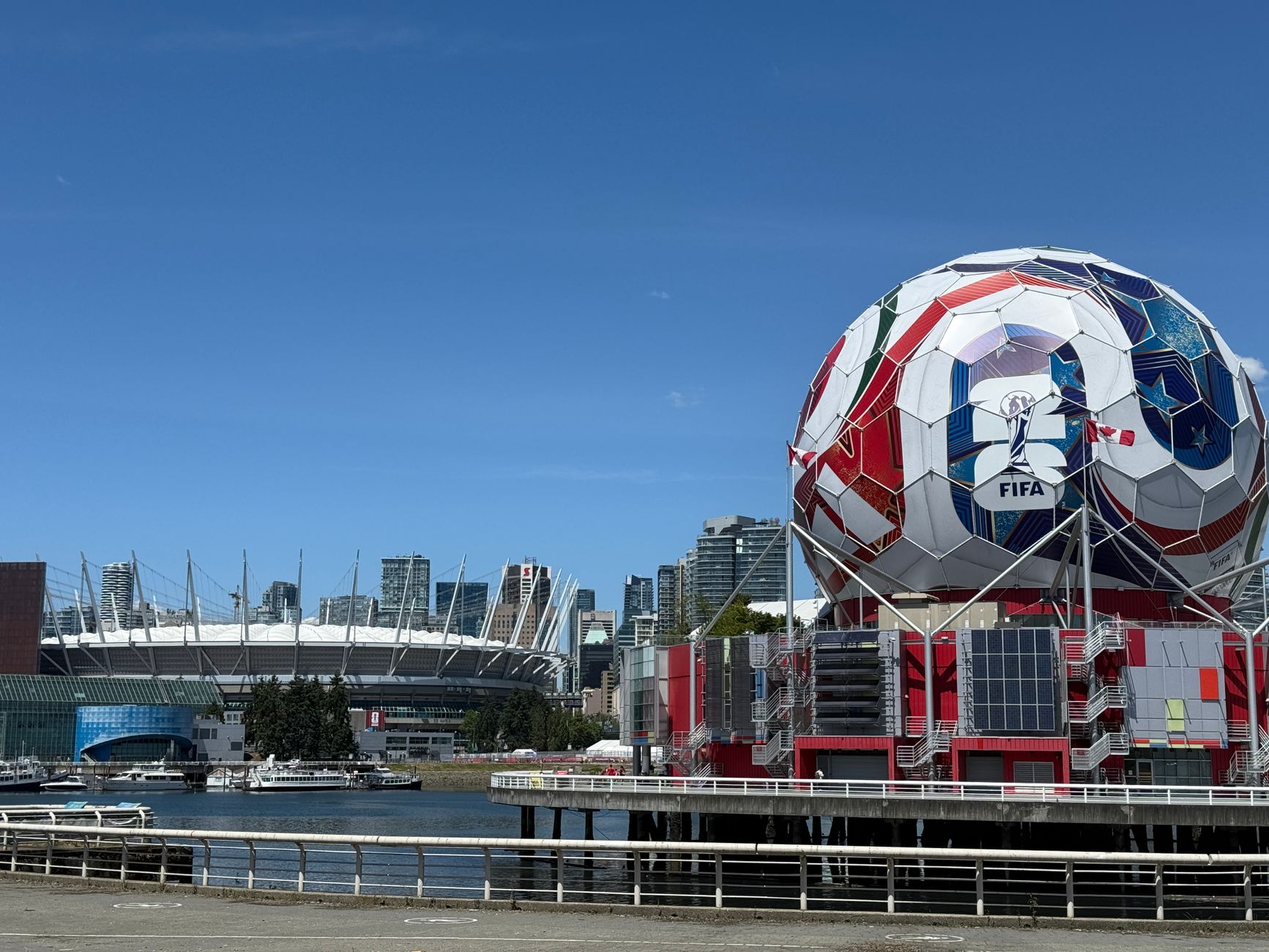
Saudi Arabia's early 2026 FIFA World Cup exit leads to the resignation of SAFF chief Yasser Al-Misehal. Read our detailed analysis of the crisis.
A Seismic Shakeup in Gulf Football: Saudi Arabia's World Cup Disaster
The 2026 FIFA World Cup was supposed to be the grand stage where Saudi Arabia proved to the world that its massive, multi-billion-dollar investment in football had finally borne fruit. Instead, the Green Falcons’ campaign in North America ended in unmitigated disaster, culminating in an early group-stage exit that has sent shockwaves through the Kingdom and the wider sporting world. The fallout was swift and merciless; within hours of their mathematical elimination, the President of the Saudi Arabian Football Federation (SAFF), Yasser Al-Misehal, tendered his resignation, as first reported by Al Jazeera. This high-profile administrative departure mirrors managerial shakeups elsewhere in the tournament, such as when Steve Clarke Quits Scotland After 2026 World Cup Exit following a similarly disappointing campaign on the global stage.
For a nation that has spent the last three years positioning itself as the new gravitational center of global football, this early departure is a bitter pill to swallow. The resignation of Al-Misehal is not merely the departure of a sports administrator; it is a symbolic capitulation of a strategy that promised immediate international dividends. Fans and pundits across the Middle East are demanding answers, questioning how a nation with unlimited resources and some of the world's most modern facilities could fail so spectacularly when it mattered most. As the dust settles on their abbreviated tournament run, the focus shifts from the pitch to the boardroom, where a complete overhaul of the Saudi footballing infrastructure appears inevitable.
Background and Context: The Price of Ambition
To understand the magnitude of this failure, one must look at the unprecedented buildup to this tournament. Following Saudi Arabia’s famous victory over Argentina at the 2022 World Cup in Qatar—a historic match that remains a high-water mark for Middle Eastern football—the Kingdom embarked on a radical transformation of its domestic game. The Saudi Pro League (SPL) was infused with state funds, attracting global superstars like Cristiano Ronaldo, Karim Benzema, and Neymar. The objective was clear: raise the profile of domestic football, improve the competitive level of local players, and build momentum toward Saudi Arabia hosting the 2034 World Cup. However, this aggressive recruitment strategy may have had an unintended, detrimental side effect on the national team itself.
While the SPL became a global media sensation, many of the national team’s core domestic players found themselves relegated to the bench, unable to compete with the high-priced foreign imports occupying starting positions. In the years leading up to 2026, successive national team managers warned that local talent was suffering from a lack of competitive minutes. While other regional rivals were developing cohesive, battle-hardened squads, the Green Falcons arrived in North America looking disjointed and underprepared. The contrast with other developing football nations was stark; while some squads showed immense tactical synergy, Saudi Arabia looked like a collection of individuals who had spent more time watching superstars from the sidelines than playing high-stakes football themselves.
The qualification campaign had already shown worrying signs of regression, with sluggish performances against lower-ranked Asian opponents. Although they ultimately secured their ticket to the 48-team tournament, the optimism of 2022 had largely evaporated. Many feared that the national team was being neglected in favor of the league's commercial expansion. These fears were realized in the group stage, where Saudi Arabia looked physically outmatched and tactically naive. The failure to progress from a group they were expected to challenge in has sparked a national debate about the true health of Saudi football, far beyond the glitz and glamour of the SPL.
Key Details & Analysis: What Went Wrong on the Pitch?
Tactically, Saudi Arabia’s 2026 World Cup campaign was a catalog of errors, defined by defensive vulnerability and a complete lack of cutting edge in the final third. The coaching staff’s insistence on playing a high defensive line backfired spectacularly against opponents with rapid transition play. Without the recovery pace required to execute such a system, the Green Falcons were repeatedly exposed on the counter-attack. Individual defensive errors, which could have been masked in domestic league play, were ruthlessly punished on the world stage. The team's transition from defense to attack was slow and predictable, allowing opposing defenses to set up and choke out any creative spark before it could reach the penalty area.
The Striker Crisis and Midfield Stagnation
Perhaps the most glaring issue was the lack of a clinical goalscorer. With foreign strikers dominating the goalscoring charts in the domestic league, the national team lacked a reliable focal point in attack. The wingers were frequently forced into speculative crosses to an empty box, while the midfield failed to provide the necessary vertical passes to break defensive lines. Statistically, Saudi Arabia ranked near the bottom of the tournament in expected goals (xG) and shots on target, highlighting an alarming inability to create high-value scoring opportunities. According to official data on FIFA.com, the Green Falcons also struggled significantly in physical duels, winning less than 45% of their 50-50 challenges across their group games.
A Disjointed Tactical Identity
The team’s physical conditioning was also called into question. In successive second halves, Saudi players appeared to tire rapidly, losing the high-pressing intensity that had characterized their best performances in recent years. This physical drop-off prevented them from chasing games after falling behind, leading to a sense of resignation on the pitch. The lack of synergy between the midfield and the defensive unit left massive gaps for opponents to exploit, a tactical flaw that was never resolved over the course of the group stage. Ultimately, the team looked like a group of players who lacked a clear tactical identity, caught between an desire to play modern, possession-based football and the harsh reality of their physical and technical limitations at this level.
Expert Perspective: The Post-Mortem of a Footballing Crisis
In the wake of the elimination, football pundits and former Saudi internationals have been scathing in their assessments. Many have pointed the finger directly at the federation's leadership, arguing that the focus on commercial success and international prestige came at the expense of grassroots development and national team preparation. Analysts are asking similar existential questions to those raised about European nations, wondering Where Does Scotland's 2026 World Cup Leave Steve Clarke? as federations worldwide grapple with unmet tournament expectations. In Saudi Arabia, the consensus is that the administrative structure failed to protect and nurture the domestic talent pool, prioritizing short-term headlines over long-term sporting sustainability.
Local sports journalists have highlighted the disconnect between the federation’s public statements and the reality on the ground. While Al-Misehal and his board frequently spoke of a "new era" for Saudi football, the national team’s performances suggested a regression. Pundits on regional networks like Al Jazeera and Sky Sports have argued that the decision to allow up to eight foreign players per club in the domestic league effectively choked the development of young Saudi talent. "We have built a beautiful showcase," one prominent Gulf pundit noted, "but we forgot to tend to the garden inside." This sentiment is widely shared by fans, who have expressed their frustration at seeing highly paid domestic players sitting on the bench week after week in the SPL.
The fan reaction in Riyadh, Jeddah, and across the Kingdom has been one of profound disappointment and anger. Having traveled in large numbers to support the team, fans felt let down by what they perceived as a lack of fight and desire from the players. The contrast between the passionate, energetic support in the stands and the flat, uninspired performances on the pitch was jarring. Social media platforms were flooded with calls for immediate reform, making Al-Misehal’s position untenable. His resignation was seen as the only honorable response to a sporting disaster of this magnitude, but experts warn that simply changing the man at the top will not solve the systemic issues plaguing the national game.
Impact & Implications: A Crossroads for Saudi Vision 2030
The resignation of the SAFF chief is not just a sports news story; it has major political and economic implications for Saudi Arabia's broader "Vision 2030" initiative. Sports, and football in particular, are central pillars of the Kingdom's strategy to diversify its economy and project soft power globally. An early, embarrassing exit from the World Cup, followed by administrative chaos, threatens to damage the credibility of this grand project. Sponsors and international partners who invested heavily in the Saudi football ecosystem will be watching closely to see how the government and the Ministry of Sport respond to this crisis.
Moreover, this failure could force a dramatic reassessment of the rules governing the Saudi Pro League. There is already growing pressure to reduce the quota of foreign players to ensure that domestic talent gets regular playing time. However, doing so could conflict with the league's ambition to become one of the top five leagues in the world, which relies on attracting global stars. The new leadership of the federation will face the incredibly difficult task of balancing these competing priorities: maintaining the commercial appeal of the domestic league while rebuilding a competitive national team. It is a delicate tightrope walk that will define the next decade of Saudi football.
The administrative vacuum left by Al-Misehal's departure must be filled quickly, as Saudi Arabia is scheduled to host the AFC Asian Cup in 2027. Going into a home tournament with a disorganized federation and a demoralized national team is a nightmare scenario for the sports ministry. The pressure on the next SAFF president will be immense, with no margin for error. They will inherit a system in desperate need of reform, a coaching staff whose future is highly uncertain, and a fan base that has completely lost patience with excuses.
Looking Ahead: Rebuilding from the Ashes
The immediate priority for the interim leadership of the Saudi Arabian Football Federation is to stabilize the national team setup. A thorough review of the coaching staff's performance is already underway, with many expecting a change in management in the coming weeks. The search for a new technical director who can bridge the gap between the domestic league and the national team is critical. Saudi Arabia must find a coach who is willing to work closely with SPL clubs to monitor player fitness, tactical development, and playing time, ensuring that the national team is never again treated as an afterthought.
In terms of squad selection, a generational shift is desperately needed. The era of relying on the heroes of the 2022 World Cup is officially over, and the federation must integrate younger players who are hungry to prove themselves. This may involve exporting more young Saudi talent to European leagues, even if it means playing in second-tier competitions, to gain the physical and mental resilience that can only be developed by playing abroad. While some teams struggled to find their footing in the group stage, prompting debates on whether Is a perfect World Cup group record overrated? Was Tunisia worst-ever in terms of historical comparisons, Saudi Arabia's focus must remain on establishing a consistent, sustainable pipeline of elite talent.
The upcoming international windows will provide an early test of this new direction. Friendly matches and regional tournaments must be used to blood young players and test new tactical systems. The road to recovery will be long and arduous, but the talent pool in Saudi Arabia remains vast. If the federation can channel its immense financial resources into grassroots academies, coaching education, and youth development, rather than just high-profile signings, the Green Falcons can return to the pinnacle of Asian football. The potential is there, but it will require a fundamental shift in philosophy from top to bottom.
Conclusion: The Hard Truth of Global Football
Saudi Arabia’s early exit from the 2026 FIFA World Cup and the subsequent resignation of Yasser Al-Misehal serve as a stark reminder of a fundamental truth in football: money can buy stadiums, superstars, and global attention, but it cannot buy success on the pitch. The beautiful game remains stubbornly meritocratic, demanding tactical cohesion, physical sacrifice, and a clear long-term sporting vision. For all of Saudi Arabia’s financial might, their national team was exposed as underprepared and lacking the competitive edge required to compete with the world's best.
This crisis, however painful, presents a unique opportunity for a reset. If the Ministry of Sport and the new federation leadership can learn the right lessons from this disaster, they can lay the groundwork for a more sustainable and successful future. The focus must shift from buying the game to building it from the ground up. Only then can the Green Falcons hope to fulfill their immense potential and ensure that when the 2034 World Cup arrives on home soil, they are ready to compete not just as hosts, but as genuine contenders on the global stage.
Saudi Arabia World Cup 2026Yasser Al-Misehal resignsSaudi football federation crisisGreen Falcons eliminationSaudi Pro League impactFIFA World Cup 2026 news