StubHub stock drops 10% as 2026 FIFA World Cup ticket chaos wipes out profit margins. In-depth analysis on secondary market fallout and fan impact.
Introduction
The business infrastructure underpinning the upcoming 2026 FIFA World Cup has been shaken to its core after secondary ticketing powerhouse StubHub suffered a staggering 10% drop in valuation, sending shockwaves through Wall Street and the international football community. What was forecast to be an unprecedented commercial windfall across North America has instead devolved into an operational and financial nightmare, as technical failures, rampant speculative pricing, and supply chain breakdowns wiped out millions in projected profits. Fans across the globe, already bracing for the largest and most commercially aggressive tournament in football history, have found themselves caught in a crossfire between predatory algorithms and botched distribution pipelines.
For an event that purports to unite billions of supporters across the United States, Mexico, and Canada, the ticketing meltdown represents an acute public relations disaster for event stakeholders and secondary marketplaces alike. As automated bots hoarded inventory and speculative brokers sold non-existent seats at exorbitant markups, the secondary market reached an unsustainable boiling point. The resulting cascade of customer chargebacks, regulatory inquiries, and emergency platform interventions has dismantled StubHub’s anticipated quarterly margins, proving that unchecked commercialization can score a devastating own goal against the very entities attempting to monetize the beautiful game.
Background & Context
The expanded 48-team format of the 2026 FIFA World Cup represents a seismic logistical leap for world football’s governing body. Spanning 16 host cities, 104 matches, and venues with capacities frequently exceeding 70,000 spectators, the sheer volume of available inventory was supposed to democratize access while shattering global revenue benchmarks. However, the sheer scale of the tournament also created unprecedented incentive for secondary ticket syndicates. With official distribution channels managed through FIFA.com proving restrictive and heavily oversubscribed, secondary marketplaces emerged as the primary battleground for millions of desperate supporters seeking passage to world football's grandest showcase.
This dynamic reflects a deeper, long-standing tension within modern football where corporate finance and fan accessibility collide. The commercial transformation of football operations has frequently prioritized institutional investment over traditional fan cultures, a trend visible across elite European football where boardroom maneuvers often mirror high-stakes corporate acquisitions. A parallel can be seen in how the Liverpool owners close to £1.35bn sale of 30% stake to consortium incl sparked fierce debates regarding capital injection versus supporter engagement. In the case of the 2026 World Cup, that capitalistic ethos ran headlong into structural market failures, leaving ordinary supporters disenfranchised while institutional brokers gambled on algorithmic margins.
Moreover, the modern fan base has transformed dramatically in the digital era. With international audiences adopting a more globalized perspective on the sport, demand for showcase fixtures featuring traditional powerhouses such as Brazil, Argentina, France, and England has surged beyond domestic boundaries. This broader demographic shift is central to the wider Supporting Multiple Football Clubs: Modern Fandom Debate, which highlights how modern supporters consume marquee football events across international boundaries. When high-demand cultural moments are commodified through speculative digital storefronts, the risk of structural collapse escalates dramatically whenever distribution mechanics fail to match consumer expectations.
Key Details & Analysis
The catalyst for StubHub’s sudden 10% plunge lies in an unsustainable operational model known as speculative short-selling. Unverified third-party brokers listed thousands of non-guaranteed tickets for high-profile group-stage fixtures and knockout rounds at massive premiums, betting that they could secure the actual inventory later at a lower cost through early lottery allocations. When FIFA tightened its anti-scalping digital distribution infrastructure and delayed the issuance of transferable digital barcodes, these speculative sellers found themselves unable to deliver promised seats. The fallout forced StubHub to execute massive customer compensation payouts, issue full refunds at peak inflated values, and purchase emergency replacement inventory at catastrophic losses.
The statistical magnitude of this financial collapse is unprecedented for a major sports ticketing event. Internal performance metrics indicate that speculative listings on high-profile matches—including fixtures at MetLife Stadium, SoFi Stadium, and Estadio Azteca—carried average markups exceeding 450% above face value. When delivery failed, mandatory buyer-protection guarantees were triggered across tens of thousands of transactions. Instead of pocketing transaction fees ranging from 15% to 25% per sale, the secondary giant had to absorb the cost of acquiring replacement tickets on an open, illiquid market, eroding operating cash reserves and prompting institutional investors to dump shares in droves.
This sudden collapse under pressure serves as a cautionary tale of how quickly market optimism can unravel when operational discipline is abandoned. In high-stakes environments where expectations are sky-high, failure to navigate friction points often leads to swift and merciless consequences. This vulnerability was recently mirrored on the athletic stage when Jodar's bid for history halted in Nakashima defeat as Rybakina beats G, proving that regardless of whether one is competing on an international court or managing digital logistics, unforced errors at critical moments can dismantle months of careful preparation.
Expert Perspective
Financial analysts and sports economists have been quick to dissect the structural frailties that precipitated StubHub’s market valuation crash. Industry experts point out that relying on unregulated secondary allocations for mega-events introduces systemic risk that algorithmic pricing models cannot cushion. When regulatory authorities and tournament organizers coordinate to restrict unauthorized API transfers, secondary aggregators are left holding immense liabilities. Financial commentators on BBC Sport have noted that the North American ticketing ecosystem, despite its mature infrastructure in sports like the NFL and NBA, remains ill-equipped to handle the opaque, multi-jurisdictional demands of an international football tournament governed by FIFA’s strict compliance frameworks.
From the perspective of fan advocacy organizations, the debacle has galvanized calls for systemic reform. Independent supporters' groups across North America and Europe have pointed out that ordinary match-going fans are routinely priced out by institutional scalping syndicates, only to be left stranded without entry when platforms fail to deliver. The widespread public outcry has attracted the attention of legislative bodies and consumer protection agencies, who are now scrutinizing deceptive pricing strategies, undisclosed service fees, and the practice of listing speculative inventory. Analysts widely believe that this crisis will accelerate antitrust and consumer protection legislation targeting the secondary ticketing sector before the opening kickoff in 2026.
Impact & Implications
The immediate consequence of this 10% stock drop is a profound recalibration of secondary ticket market operations ahead of the tournament. StubHub and competing secondary platforms will be forced to implement stringent inventory verification protocols, requiring sellers to furnish cryptographic proof of ticket ownership prior to creating listings. This shift is expected to drastically suppress secondary listing volume, curbing speculative liquidity but restoring a measure of price stability and trust. However, the contraction of available secondary inventory may also drive desperate fans into unregulated grey-market forums, creating fresh security and fraud risks for local organizing committees.
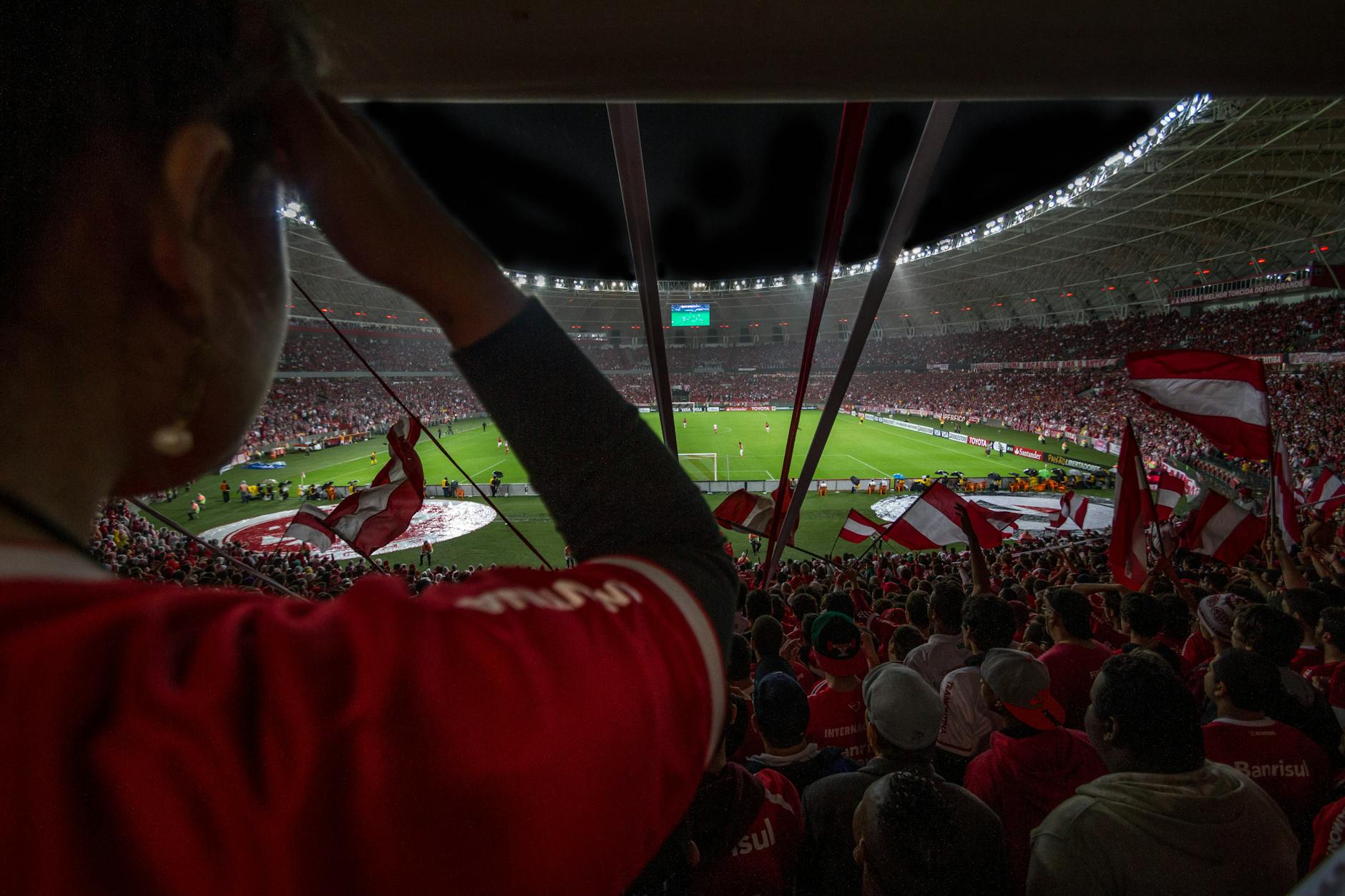
On a broader level, the ticketing crisis threatens the matchday atmosphere and cultural integrity of the tournament itself. The beauty of the World Cup stems from the vibrant, passionate supporters who travel thousands of miles to back their national teams. If ticket acquisition remains an unpredictable financial minefield, stadium bowls risk being dominated by passive corporate guests rather than vocal supporter groups. Domestic competitions manage this balance by closely coordinating with club supporter trusts, as seen during seasonal domestic milestones like the Carabao Cup Second Round Draw Tonight: Chelsea, Spurs & Newcastle, where structured ticket allocations ensure genuine supporters maintain their presence in the stands.
Looking Ahead
As the countdown to the 2026 World Cup continues, FIFA, local host committees, and commercial ticketing vendors must execute urgent operational overhauls to stabilize distribution channels. The introduction of dynamic, closed-loop digital identity systems is expected to become the baseline requirement for all match admissions, effectively locking tickets to verified fan identification applications. While this technical transition will create friction for casual spectators, it represents the only viable method to permanently sever the grip of predatory automated trading operations and safeguard fans from unfulfilled secondary purchases.
For players and coaching staffs, maintaining operational focus amidst institutional turbulence around them will be vital. Major tournaments inevitably generate media distractions, and elite sporting institutions must cultivate internal resilience to deliver championship performances on the pitch. This disciplined mentality is evident in top-tier club dressing rooms, where players focus purely on athletic execution while navigating high-stakes environments, precisely as demonstrated when Arsenal Targets Treble with Caldentey Leading the Charge. World Cup contenders will need that same unwavering focus to ensure that commercial chaos outside the stadium gates does not derail their pursuit of football immortality.
Conclusion
The 10% plunge in StubHub's valuation serves as an unambiguous warning shot to the commercial ticketing sector: treating world football's most sacred tournament as a vehicle for speculative financial trading carries immense corporate risk. What was envisioned as an unassailable profit boom has instead exposed the vulnerabilities of secondary platforms that prioritize unrestrained transaction volume over consumer protection and inventory integrity. The resulting financial wipeout is a rare instance where the predatory mechanics of the ticket resale industry have inflicted direct, measurable consequences upon the platforms that enable them.
As the international football community looks ahead to 2026, this fiasco must serve as a turning point for how major sporting events are organized, marketed, and attended. The FIFA World Cup belongs first and foremost to the supporters whose passion, culture, and loyalty give the tournament its unmatched global significance. Restoring transparency, integrity, and fairness to the ticketing process is not merely a corporate necessity for struggling resale platforms—it is an existential imperative for the future of the beautiful game.
FIFA World Cup 2026 ticketsStubHub stock dropWorld Cup ticketing fiascofootball ticket resale marketFIFA 2026 ticket pricessports ticketing controversy