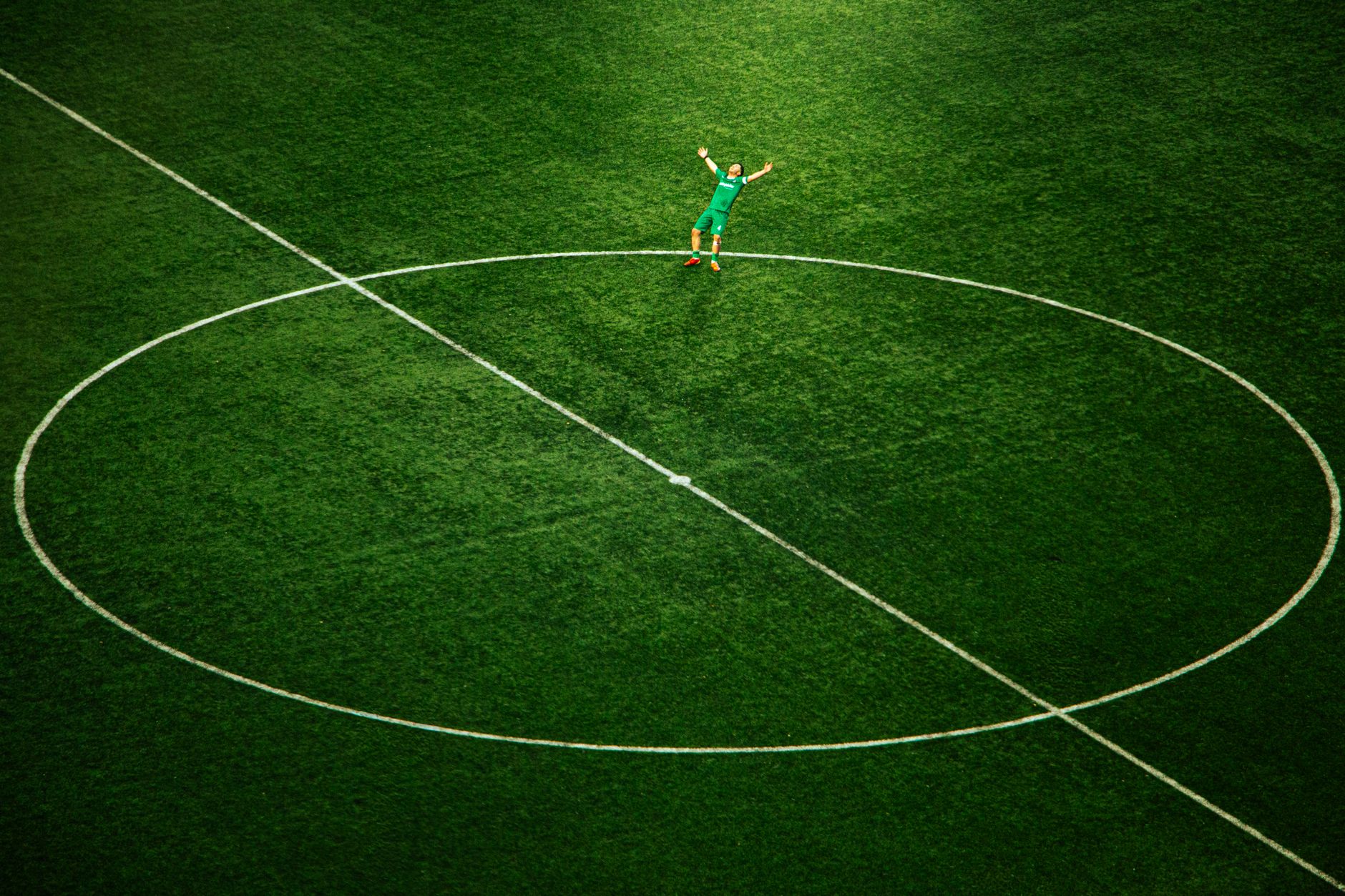
Read how Lionel Messi has surpassed Diego Maradona's legacy following Argentina's 2-1 World Cup semi-final victory over England.
‘Leo has surpassed Diego’: after two decades Argentina embraces Messi
It is time to consign Diego Maradona’s "Hand of God" to a museum piece. For forty years, that single, controversial moment in Mexico City, alongside Maradona’s unforgettable "goal of the century," coloured the soul and defined the passion of Argentinian football. It was an era where brilliance was inextricably linked with chaos, and triumph was often laced with a heavy dose of cynicism. Today, however, things are very different on the streets of Buenos Aires and across the global stage, and the primary catalyst for this profound cultural shift is Lionel Messi. By asserting himself over the long-standing memory of Maradona, Messi is not just winning football matches; he is establishing a new, modern identity for Argentina.
The definitive proof of this transformation came under the dazzling lights of the FIFA World Cup 2026 semi-final, where a revitalised Argentina secured an impressive 2–1 victory over England. It was a performance that bypassed the need for gamesmanship, relying instead on a simple, powerful weapon: excellent, fluid football. This victory has propelled the Albiceleste into Sunday’s highly anticipated final against Spain, a match that promises to be a celebration of pure sporting merit. The shadow of Maradona, which once loomed so large over every Argentinian player who dared to wear the number ten shirt, has finally been eclipsed by the quiet, relentless genius of the little maestro from Rosario.
Background & Context: The Weight of History and the Ghost of Diego
To understand the magnitude of what Lionel Messi has achieved in the hearts of his compatriots, one must first understand the historical weight of the Argentina-England rivalry. The 1986 World Cup quarter-final was not merely a football match; it was a highly charged geopolitical drama played out on grass, coming just four years after the Falklands War. Maradona’s two goals in that match became the twin pillars of Argentinian footballing mythology. The first, a cheeky, illegal handball that he chalked up to divine intervention, and the second, a breathtaking, sixty-yard slalom through the entire English defence. For decades, this mixture of defiance, cunning, and supreme talent served as the blueprint for *Argentinidad*—the very essence of what it meant to be Argentinian.
For twenty years, Messi lived in the cold shadow of this myth. Despite winning countless league titles, Champions League trophies, and Ballon d'Or awards with Barcelona, he was long viewed with suspicion in his homeland. A staggering number of Argentinians maintained that he was too European, too quiet, and lacked the grit required for South American football. There was a persistent, almost cruel belief that he would dissolve like a sugar lump in a cup of tea the moment he came up against a couple of tough, uncompromising defenders in the Copa Libertadores. While the rest of the footballing world dreamed of having a talent like Messi, his own people demanded that he stop being Messi and start being Maradona. He was expected to replicate the anger, the theatricality, and the volatile passion of his predecessor before he could be truly loved.
Key Details & Analysis: Dismantling England with Pure Football
The semi-final clash in the FIFA World Cup 2026 was supposed to be a tense, cagey affair dominated by tactical caution. Instead, Lionel Scaloni’s side put on a masterclass of modern, possession-based football that left the English midfield chasing shadows. From the opening whistle, Argentina dictated the tempo, utilizing short, crisp passing combinations and rapid transitions. Messi, operating in a free-role playmaker position, was the undisputed conductor of the orchestra. He did not need to resort to the dark arts of the past; instead, he dismantled the English defensive block with surgical precision, creating space for his teammates and keeping the opposition constantly on the back foot.
Argentina’s opening goal was a testament to this tactical evolution, featuring a intricate fifteen-pass sequence that culminated in a clinical finish. Although England managed to claw their way back into the game with a set-piece equaliser, Argentina’s composure never wavered. The match-winning goal in the second half was a moment of pure footballing synergy, initiated by a trademark Messi dribble that drew three defenders before he slipped a perfectly weighted pass to the overlapping fullback, who crossed for the decisive strike. To understand the tactical masterclass behind this historic semi-final, read our deep dive on the World Cup: Tuchel, Messi and why Argentina beat England in semifinal - match analysis.
Expert Perspective: The Philosopher’s View on a Deeper Wound
“For English football, this is more painful than the Hand of God,” says Tomás Abraham, one of Argentina's most respected contemporary thinkers. Abraham has dedicated his life to writing, studying philosophy, and analysing society and the human condition, although his greatest passion lies elsewhere: football. At 79, Abraham still organises his daily schedule around Champions League and Premier League matches, which he follows closely from his spacious flat in Colegiales—a trendy, tree-lined neighbourhood in Buenos Aires—or from his book-filled office, where he shuts himself away for hours to write and reflect on the cultural significance of the beautiful game.
Abraham believes that the nature of this latest defeat cuts far deeper into the English sporting psyche than the controversial events of 1986 ever did. “The English consider the Hand of God to be illegal, a cheat,” Abraham explains. “And this hurts all the more because they were defeated by a superior team that they were particularly keen to beat. The wound runs deeper.” By defeating England through sheer technical and tactical superiority rather than controversy, Argentina has stripped away the historical excuse of victimhood that English football has clung to for forty years. This shift in perspective is a direct result of Messi’s influence, which prioritises sporting excellence over provocative drama.
This transition also marks a fundamental change in how Argentina views itself. Maradona was more than a footballer; he was the embodiment of a brilliant, haughty nation that was utterly convinced of its destiny as a global superpower. He felt entitled to express his opinion and pass judgment on everything from George Bush and the Pope to FIFA, Fidel Castro, and Hugo Chávez. He was a man of extreme contradictions, capable of loving and hating the same person within a matter of months. While highly talented and often incredibly kind-hearted, Maradona was also adept at disparaging, hurting, attacking, and provoking. He resembled his country too closely, with its great lights and its inevitable, tragic shadows. Messi, by contrast, represents a quiet, professional, and consistent excellence that has finally won the unanimous, unconditional affection of his people.
Impact & Implications: A New Era for Argentinian Football
The cultural impact of this victory cannot be overstated. By finally stepping out from the shadow of the Maradona myth, this Argentinian team has established a new standard of sporting success. The narrative is no longer about overcoming adversity through trickery or individual chaos; it is about collective discipline, technical mastery, and structural stability. For many years, the national team was burdened by the expectation of producing a single, messianic figure who could carry the entire weight of the country on his shoulders. Under Lionel Scaloni, and anchored by the mature leadership of Messi, the team has transitioned into a harmonious collective where every player understands their role perfectly.
For the vanquished English side, the defeat represents a bitter pill to swallow and a stark realization of their tactical limitations on the grandest stage. The British media, which had built up immense expectations ahead of the semi-final, has been left to dissect another tournament exit that exposed their inability to control games against elite opposition. For a broader look at the fallout in the British media and what this means for the future of their national setup, check out Football Daily | It’s the end of the World Cup as England know it. This victory cleanses Argentina's international reputation, replacing the old associations of defensive cynicism and gamesmanship with a universally admired style of play.
Looking Ahead: The Final Showdown Against Spain
All eyes now turn to Sunday’s final, where Argentina will face a formidable Spain side in a match that is already being billed as a dream final for football purists. Spain, much like Argentina, has reached the showpiece event by showcasing a commitment to attacking, possession-oriented football. It will be a fascinating tactical battle between Spain's youthful, energetic midfield and the veteran intelligence of Lionel Messi, who is looking to secure the ultimate crowning achievement of his international career. The match is expected to draw record-breaking television audiences worldwide, as fans prepare to witness what could be Messi's final appearance on the World Cup stage.
The road to the final has been filled with dramatic twists and unexpected results across the tournament. While Argentina was securing their place in the final, other parts of the tournament provided massive shocks, reminding everyone of the unpredictable nature of this competition, as seen in the Highlights | Brazil 1-2 Norway | FIFA World Cup 2026™. Argentina cannot afford any complacency against a Spanish side that possesses the technical quality to punish any defensive lapses. Scaloni will likely stick to the same tactical blueprint that neutralised England, relying on his midfield trio to control the tempo and supply Messi with the ball in dangerous areas of the pitch.
Conclusion: The Ultimate Triumph of Lionel Messi
After two decades of comparison, debate, and emotional distance, Argentina has finally embraced Lionel Messi on his own terms. He is no longer required to be a carbon copy of Diego Maradona; he has earned the right to be celebrated as the greatest player in the history of the game through his own unique virtues. His greatest triumph is not the trophies he has won or the goals he has scored, but the fact that he has ceased to be viewed through the prism of his predecessor. He has brought a sense of joy, professionalism, and unity to a football-mad nation that had spent far too long clinging to the chaotic ghosts of its past.
When Argentina takes the field on Sunday, they will do so as a team defined by excellent football, led by a man who has conquered the hearts of his compatriots through quiet determination and unparalleled skill. The "Hand of God" will always have its place in the history books, but the future belongs to the footballing philosophy that Messi has established. As the final whistle approaches in this tournament, one thing is abundantly clear: Leo has not just matched Diego; he has surpassed him, and in doing so, he has given Argentina a new, brighter identity to carry into the future. For more official tournament updates and statistics, visit FIFA.com.