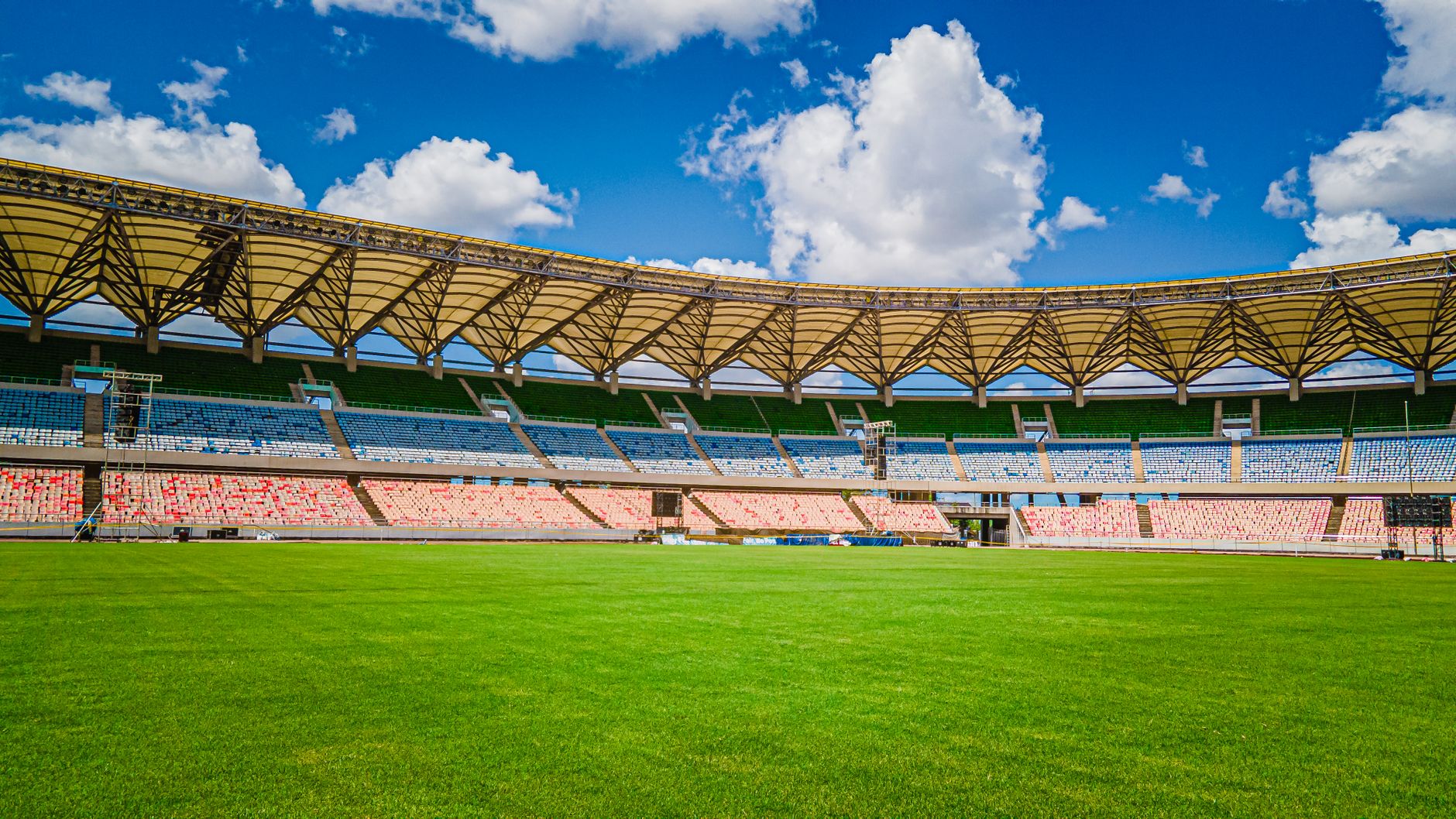
Get the latest score and updates from the thrilling Germany vs Ivory Coast World Cup 2026 match. Read our detailed tactical analysis and expert views.
Introduction: A Thrilling Night of Drama in New Jersey
The MetLife Stadium in East Rutherford, New Jersey, played host to one of the most exhilarating encounters of the FIFA World Cup 2026 group stage, as European heavyweights Germany clashed with African giants Ivory Coast. In front of a raucous, sold-out crowd of over 80,000 spectators, this highly anticipated fixture delivered on every ounce of its pre-match billing. What began as a tactical masterclass by the Germans transformed into a showcase of the relentless spirit and physical dominance of African football, culminating in a dramatic 2-2 draw that will be remembered as an instant World Cup classic.
Germany appeared to have the match firmly within their grasp during a dominant first half, showcasing the fluid, high-tempo passing sequences that have become the hallmark of Julian Nagelsmann’s tenure. Goals from Jamal Musiala and Kai Havertz gave the four-time world champions a seemingly comfortable two-goal cushion heading into the interval. However, a spirited second-half resurgence from the reigning African champions turned the contest completely on its head. Led by the tactical adjustments of Emerse Faé and the sheer determination of their veteran stars, Ivory Coast fought back tenaciously, securing a vital point thanks to a Franck Kessié penalty and a late, thumping header from Sébastien Haller.
Background & Context: Two Titans on Colliding Paths
To understand the magnitude of this fixture, one must look at the contrasting journeys of both nations leading into the 2026 tournament. Germany arrived in North America under immense pressure to restore their tarnished global reputation. Following consecutive, humiliating group-stage exits in 2018 and 2022, the German Football Association (DFB) underwent a massive structural overhaul, placing their trust in the young, tactically innovative Julian Nagelsmann. With a squad blending the generational talents of Florian Wirtz and Jamal Musiala with seasoned veterans like Antonio Rüdiger, Germany entered the tournament eager to prove they belong back at the pinnacle of international football.
In contrast, Ivory Coast entered the tournament riding a historic wave of momentum. Having captured the Africa Cup of Nations title on home soil in spectacular fashion, Les Éléphants arrived in the United States determined to translate their continental supremacy onto the global stage. Historically, West African nations have possessed the individual talent to challenge the world's elite, but have occasionally lacked the tactical discipline and tournament management required to make deep World Cup runs. Under the guidance of Emerse Faé, this Ivorian squad combined physical power with a sophisticated tactical flexibility, making them one of the most feared dark horses in the expanded 48-team tournament structure overseen by FIFA.com.
Key Details & Analysis: A Game of Two Distinct Halves
First-Half German Dominance
From the opening whistle, Germany established their rhythm, utilizing a fluid 4-2-3-1 formation that seamlessly transitioned into a 3-2-4-1 when in possession. Joshua Kimmich frequently tucked inside from his right-back position to partner Robert Andrich, allowing Germany to dominate the central areas of the pitch. This tactical overload starved the Ivorian midfield trio of Franck Kessié, Seko Fofana, and Ibrahim Sangaré of time and space. The breakthrough arrived in the 18th minute when Jamal Musiala received a crisp, line-breaking pass from İlkay Gündoğan, skipped past two defenders on the edge of the box, and curled a sublime effort into the bottom right corner, leaving Ivorian goalkeeper Yahia Fofana stranded.
Germany continued to press home their advantage, exploiting the spaces behind the high Ivorian defensive line. In the 39th minute, a brilliant overlapping run by left-back David Raum unpicked the lock once more. Raum’s low, fizzing cross across the face of the six-yard box found Kai Havertz, who timed his run perfectly to tap the ball into an empty net. At 2-0, Germany looked entirely in control, displaying a level of technical precision and positional discipline that left the African side chasing shadows for the remainder of the first half.
The Second-Half Ivorian Resurgence
The second half, however, told an entirely different story. Recognizing the need for greater physical presence and directness, Emerse Faé made a bold triple substitution in the 60th minute, introducing the electric Simon Adingra and the physical presence of Christian Kouamé. The tactical shift to a high-pressing 4-4-2 caught the German backline off guard. Ivory Coast began winning the second balls, suffocating Germany’s build-up play and forcing turnovers in dangerous areas. The momentum swung decisively in the 68th minute when Seko Fofana drove power-fully into the German penalty area, draw-ing a clumsy, mistimed challenge from central defender Jonathan Tah. The referee pointed to the spot, and Franck Kessié coolly stepped up to send Marc-André ter Stegen the wrong way, breathing life back into the African side.
With the deficit halved, the stadium erupted, fueled by thousands of traveling Ivorian supporters. Germany struggled to regain composure as Nagelsmann attempted to solidify his defense by withdrawing Florian Wirtz for a more defensive-minded midfielder. This decision backfired, as it invited relentless pressure from the African side. In the 87th minute, the equalizer arrived. Simon Adingra beat his marker on the right flank and delivered a pinpoint, swinging cross into the heart of the penalty box. Sébastien Haller, showcasing his predatory instincts, rose above Antonio Rüdiger to power a magnificent header past Ter Stegen, sending the Ivorian bench into raptures and securing a hard-earned point for his nation.
Expert Perspective: Tactical Gambles and Pundit Reactions
The post-match analysis focused heavily on the contrasting tactical decisions made by both managers in the second half. Pundits on BBC Sport were quick to praise Emerse Faé’s proactive management, noting that his triple substitution completely altered the physical dynamics of the game. By bypassing the congested midfield and utilizing the pace of Adingra on the wings, Ivory Coast successfully exposed Germany’s lack of recovery pace in transition. Faé’s ability to recognize his team's first-half shortcomings and adjust on the fly demonstrated the growing tactical maturity of this Ivorian coaching staff.
On the other hand, Julian Nagelsmann faced intense scrutiny from German football experts and former players. Many criticized his decision to substitute both Wirtz and Musiala in the final twenty minutes, a move that effectively stripped Germany of their ability to transition quickly and keep hold of the ball. By dropping into a low defensive block, Germany surrendered the initiative to an physically superior opponent, a tactical error that ultimately cost them two valuable points. Pundits argued that Germany's historical vulnerability to physical, direct opponents remains unresolved, raising serious questions about their ability to navigate the knockout rounds of this tournament.
Impact & Implications: The Group Standings Shuffled
This dramatic 2-2 draw has profound implications for the standings in Group F. With both teams having secured victories in their opening matches, this result leaves Germany and Ivory Coast tied at the top of the table on four points each, with Germany holding a slight advantage on goal difference. The battle for the top spot in the group remains wide open, adding immense pressure to the final round of group-stage fixtures. Under the expanded 48-team format, finishing top of the group is highly advantageous, as it typically secures a theoretically highly favorable matchup against one of the best third-placed teams in the Round of 32.
For Ivory Coast, this comeback represents far more than just a single point on the board. It serves as a powerful statement of intent to the rest of the footballing world. By going toe-to-toe with one of Europe's elite footballing nations and recovering from a two-goal deficit, Les Éléphants have proven they possess the mental resilience, tactical depth, and physical prowess to compete with anyone. This performance will undoubtedly send shockwaves through the tournament, cementing their status as a team that no top seed will want to face in the single-elimination knockout rounds.
Looking Ahead: Crucial Clashes on the Horizon
Both teams must now quickly turn their attention to their final, decisive group-stage matches. Germany will travel to Charlotte to face a highly disciplined and defensive South Korean side. Nagelsmann will need to address his team's defensive lapses and mental fragility under pressure if they are to secure the three points necessary to guarantee top spot. The German coaching staff will likely spend the coming days analyzing footage of the second half, searching for ways to maintain tactical control when opponents increase their physical intensity and pressing tempo.
Ivory Coast, meanwhile, will face Honduras in Miami, a match in which they will enter as heavy favorites. However, complacency will be their greatest enemy. Emerse Faé will be drilling into his players the importance of starting matches with the same intensity they showed in the second half against Germany. If the Ivorian attack, spearheaded by Haller and supported by the creative spark of Adingra, can find their rhythm early, they will be confident of securing a comfortable victory and potentially snatching the top spot in Group F, depending on Germany's result.
Conclusion: A Defining Moment for African Football
In the grand tapestry of the 2026 FIFA World Cup, this 2-2 draw between Germany and Ivory Coast will be remembered as a defining moment. It was a match that encapsulated everything that makes international football the greatest spectacle on earth: tactical sophistication, individual brilliance, dramatic shifts in momentum, and unyielding national pride. For Germany, it serves as a stark reminder of the work that still lies ahead if they are to reclaim their status as world champions, highlighting the fine margins between tactical genius and defensive vulnerability.
For Ivory Coast and African football as a whole, this match represents a significant milestone. It proved that African nations are no longer just participants in the World Cup's narrative; they are active authors of its most dramatic chapters. The resilience shown by the Ivorian players to fight back against a powerhouse like Germany demonstrates a level of belief and tactical organization that bodes incredibly well for the future of the sport on the African continent. As the tournament progresses into the high-stakes knockout rounds, both of these teams have shown they have the quality to make a deep run, leaving fans eagerly anticipating what lies ahead.
Germany vs Ivory Coast live updatesWorld Cup 2026 latest scoreIvory Coast football World CupGermany World Cup 2026MetLife Stadium World CupSébastien Haller goal GermanyFranck Kessié penalty World Cup