Former Chelsea and Leeds United owner Ken Bates has died aged 94. Discover the colourful, controversial, and significant legacy of a true football pioneer.
Introduction
The world of English football has lost one of its most colourful, combative, and undeniably influential figures with the passing of Ken Bates at the age of 94. A man who split opinion like few others, Bates was a towering presence in the boardrooms of Stamford Bridge and Elland Road for decades. To some, he was the ultimate football maverick—a straight-talking, bearded visionary who saved historic clubs from the brink of extinction. To others, he was a highly controversial antagonist whose abrasive style, public spats, and confrontational decisions made him a lightning rod for criticism. Yet, regardless of where one stands on his legacy, there is no denying that his impact on the modern English game was profound and lasting.
Bates operated in an era of football that feels light-years away from the corporate, multi-billion-pound industry we see today as we prepare for the FIFA World Cup 2026. He was a self-made businessman who ran clubs with a hands-on, personal touch, often using his matchday programme notes to wage verbal warfare against rivals, journalists, and his own fans. His journey through the football pyramid saw him take the reins at Oldham Athletic, Wigan Athletic, Chelsea, and Leeds United, leaving a trail of dramatic headlines, historic stadium redevelopments, and silverware in his wake. As the football community reflects on his life, we look back at a career that helped shape the trajectory of the Premier League.
Background & Context
To understand the significance of Ken Bates, one must look back to the grim landscape of English football in the late 1970s and early 1980s. This was an era plagued by rampant hooliganism, decaying, unsafe stadiums, and severe financial instability. Bates, who had already dipped his toes into football administration with Oldham Athletic in the 1960s and a brief spell at Wigan Athletic, saw an opportunity where others saw disaster. In 1982, he made his most famous move by purchasing Chelsea Football Club for the symbolic price of just £1.
At the time, Chelsea was a club in name only. The Blues were drowning in £3.4 million of debt, languishing in the Second Division, and facing the very real threat of losing their historic Stamford Bridge home to property developers Marler Estates, who wanted to turn the prime West London site into luxury flats and offices. The team was playing in front of sparse, hostile crowds behind fences designed to keep pitch-invaders at bay. It was a bleak situation, but Bates possessed the stubbornness and financial acumen required to fight a protracted, decade-long legal battle to secure the freehold of Stamford Bridge, eventually saving the stadium for future generations of Chelsea supporters.
According to historical archives on BBC Sport, Bates' early years at Chelsea were a masterclass in survival and rebuilding. He stabilized the club's finances, appointed John Neal as manager, and sanctioned the signings of players who would become club legends, such as Kerry Dixon, Pat Nevin, and David Speedie. Under this regime, Chelsea won the Second Division title in 1984, returning to the top flight and laying the foundations for the global powerhouse the club would eventually become. However, his tenure was also defined by a series of controversies that ensured he was never far from the front pages of the national press.
Key Details & Analysis
Bates' tenure at Chelsea was a fascinating mix of brilliant commercial foresight and bafflingly controversial decisions. Perhaps the most infamous incident of his reign occurred in 1985 when, in an attempt to combat the rampant hooliganism of the era, he ordered the installation of an 11,000-volt electric fence around the perimeter of the Stamford Bridge pitch. The move sparked national outrage, with politicians and safety experts condemning the idea. Ultimately, the Greater London Council banned the club from turning the electricity on, but the incident cemented Bates' reputation as an uncompromising authoritarian who was prepared to take extreme measures to achieve his goals.
Despite the controversies, including a £105,000 fine in 1991 for alleged illegal payments to players that led to his temporary resignation from the Football League management committee, Bates' ultimate legacy at Chelsea is one of spectacular transformation. He envisioned Stamford Bridge not just as a football ground, but as a modern leisure destination. Through the "Chelsea Village" project, he built hotels, restaurants, apartments, and megastores around the stadium. While this project saddled the club with massive debts, it modernized the infrastructure and created a template for the modern, multi-purpose sporting arenas we see today.
On the pitch, Bates was responsible for ushering in the glamorous, cosmopolitan era of Chelsea in the late 1990s. He appointed Glenn Hoddle as player-manager in 1993, a move that shifted the club's tactical identity toward a more passing-oriented, continental style. This was followed by the appointments of global superstars Ruud Gullit and Gianluca Vialli as player-managers. Under Bates' stewardship, Chelsea attracted world-class international talent like Gianfranco Zola, Marcel Desailly, and Roberto Di Matteo. This star-studded side captured two FA Cups, a League Cup, and the European Cup Winners' Cup in 1998, transforming Chelsea into one of the most attractive and stylish clubs in Europe. This glittering era eventually paved the way for Bates to sell the debt-laden but highly valuable club to Russian billionaire Roman Abramovich in 2003 for £140 million.
Expert Perspective
Tactically and operationally, Bates was a pioneer of the "manager-as-superstar" concept in the Premier League. By hiring charismatic, world-class figures like Gullit and Vialli, he bypassed the traditional British coaching setup and embraced a global approach. This shift not only altered Chelsea's style of play on the pitch but also elevated the club's brand globally. Pundits at the time noted that Bates understood the entertainment value of football long before many of his contemporaries. He realized that to compete with the likes of Manchester United, Chelsea needed to offer "sexy football" and a premium matchday experience.
However, his relationship with managers was notoriously volatile. He famously fell out with Gullit over contract negotiations, sacking the Dutchman while the team was second in the league, and later had a highly publicized feud with Claudio Ranieri. His relationship with the fans was equally complex. Through his famous "Bates' Bulletin" in the matchday programme, he routinely berated supporters who dared to criticize his ownership, once famously referring to certain disgruntled fans as "parasites."
In many ways, Bates' hands-on, highly vocal style of ownership stands in stark contrast to the modern era of silent, corporate ownership groups. Today, managers are shielded by layers of directors of football, sporting directors, and public relations teams. For example, as Chelsea navigated various managerial changes in recent years, including the appointment of Enzo Maresca—a move detailed in our report on how Man City appoint Maresca as new manager before his subsequent move to London—the decision-making process has become highly institutionalized. Bates, by contrast, was a one-man show who made decisions on gut instinct and personal relationships, for better or worse.
His era was also one of immense individual expression on the pitch, a time when the Premier League was transitioning into a global showcase of skill and flair. This was the era that laid the groundwork for the arrival of global icons who would mesmerize fans with their technical ability, much like the legendary showmanship seen in videos showcasing Cristiano Ronaldo Best Man Utd Skills & Showboats. Bates recognized that football was transitioning from a working-class weekend pastime into a prime-time entertainment product, and he positioned his clubs to ride that wave.
Impact & Implications
After selling Chelsea, Bates did not stay away from the game for long. In 2005, he purchased a highly controversial 50% stake in Leeds United, a club that was spiraling downward after its own financial collapse. His tenure at Elland Road was arguably even more turbulent than his time in London. Bates' relationship with the Leeds United faithful was deeply strained from the outset. He was viewed by many fans as an outsider who failed to understand the unique culture of Yorkshire football, and his refusal to invest heavily in the playing squad led to years of protests and boycotts.
Under his watch, Leeds United entered administration in 2007, resulting in a 15-point deduction and relegation to the third tier of English football for the first time in their history. While he did help stabilize the club's finances and oversaw a promotion back to the Championship under Simon Grayson, his time at Leeds was defined by constant friction. He eventually sold the club to GFH Capital in 2012, leaving behind a legacy that remains a subject of intense debate among Leeds supporters to this day.
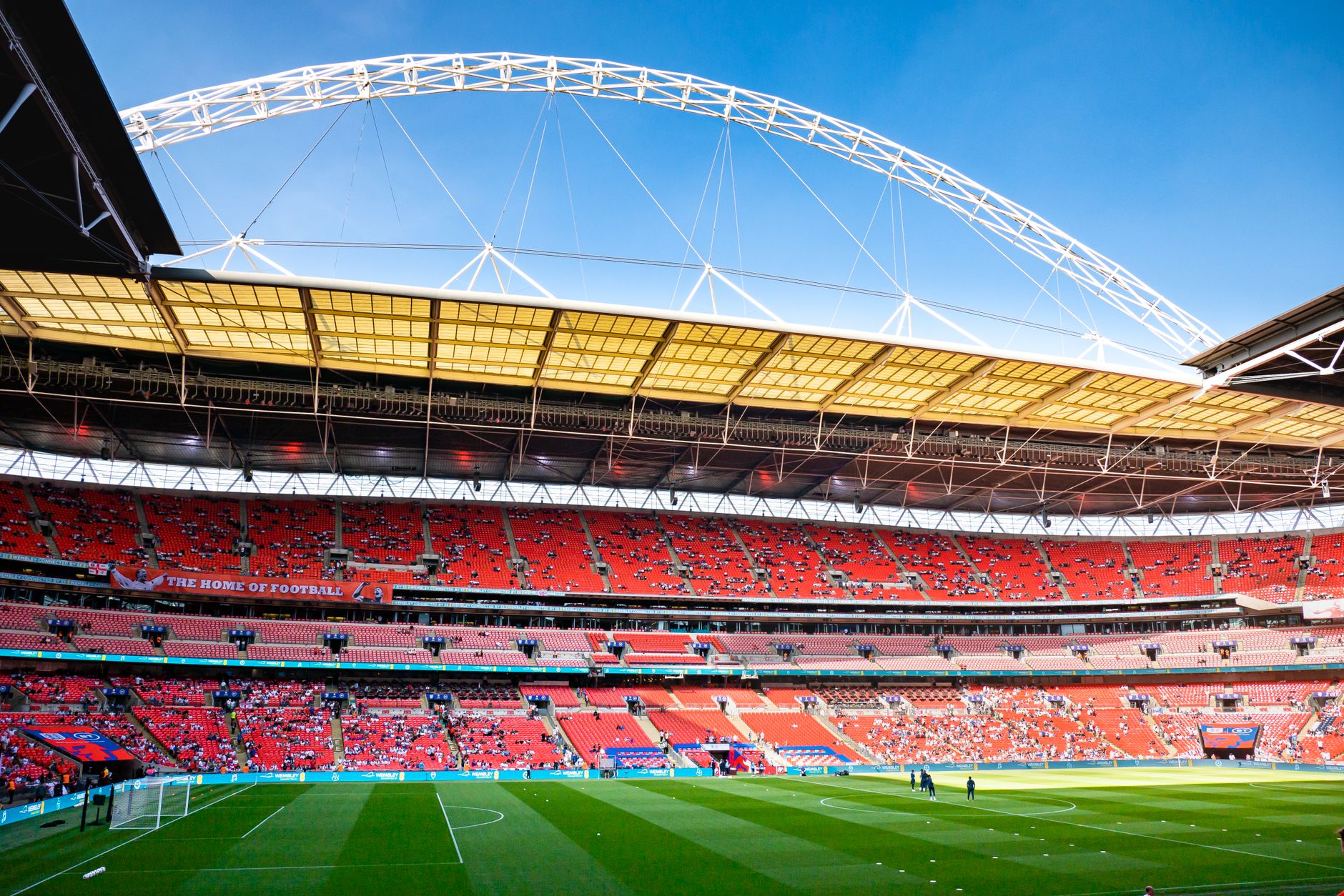
Beyond his club ownership, Bates' impact on the national game was immense. He was a key member of the Football Association (FA) executive committee and served as the chairman of Wembley National Stadium Limited. In this role, he was heavily involved in the initial phases of the rebuilding of Wembley Stadium. Although he was eventually replaced as chairman amid political infighting and delays, his determination and willingness to cut through red tape were instrumental in getting the massive project off the ground. The iconic arch that dominates the London skyline today is, in part, a monument to his stubborn persistence.
Looking Ahead
As English football moves forward, the passing of figures like Ken Bates marks the end of an era. The modern Premier League is dominated by sovereign wealth funds, American private equity firms, and multi-club ownership models. The days of the self-made British businessman running a top-flight club through sheer force of personality are gone. Today's clubs operate with clinical, data-driven precision, where pre-season tours are mapped out years in advance and managerial appointments are vetted by global recruitment networks. We see this level of meticulous planning in modern club operations, such as the detailed preparations outlined in Inside Liverpool's pre-season plans as Iraola starts work.
This shift toward corporate professionalism has undoubtedly made the game safer, richer, and more global, but some argue it has also stripped football of its unique character. Bates was a reminder of a time when football was chaotic, unpredictable, and deeply personal. As we look ahead to the future of the game, including the highly anticipated expansion of the FIFA World Cup, the sport will continue to evolve into a more polished, sterilized product. Yet, the history books will always remember the men who built the foundations of this modern empire.
For Chelsea and Leeds United, the legacy of Ken Bates remains woven into the fabric of their daily existence. Chelsea continues to play at a modernized Stamford Bridge—a stadium that would likely not exist in its current location without Bates' legal triumphs. Leeds United, meanwhile, continues to strive for stability and success in the top flight, forever shaped by the financial storms and rebuilding phases of the mid-2000s. The lessons of Bates' ownership styles—both the brilliant successes and the cautionary tales of financial overreach—remain highly relevant for modern sports administrators worldwide.
Conclusion
In summary, Ken Bates was a true titan of English football, a man whose life and career were defined by contrast. He was a savior and a disruptor, a visionary builder and a fierce antagonist. His passing at the age of 94 closes a dramatic chapter in the history of the British game. Without his stubborn refusal to back down against property developers, Chelsea Football Club might have been relegated to the history books or forced to move far away from their West London roots. Without his global ambition, the influx of international superstars that defined the early years of the Premier League might have taken much longer to materialize.
He was a man who courted controversy, relished a fight, and never apologized for his methods. While his tenure at Leeds United and his confrontational relationship with fans will always cloud his legacy, his contribution to the infrastructure and commercial growth of English football is undeniable. As the game continues to grow into a global spectacle, the memory of Ken Bates will endure as a reminder of a colourful, controversial, and deeply significant era in the history of the beautiful game.
Ken Bates ChelseaKen Bates Leeds UnitedStamford Bridge historyPremier League pioneersChelsea FC historyLeeds United administrationWembley Stadium rebuild