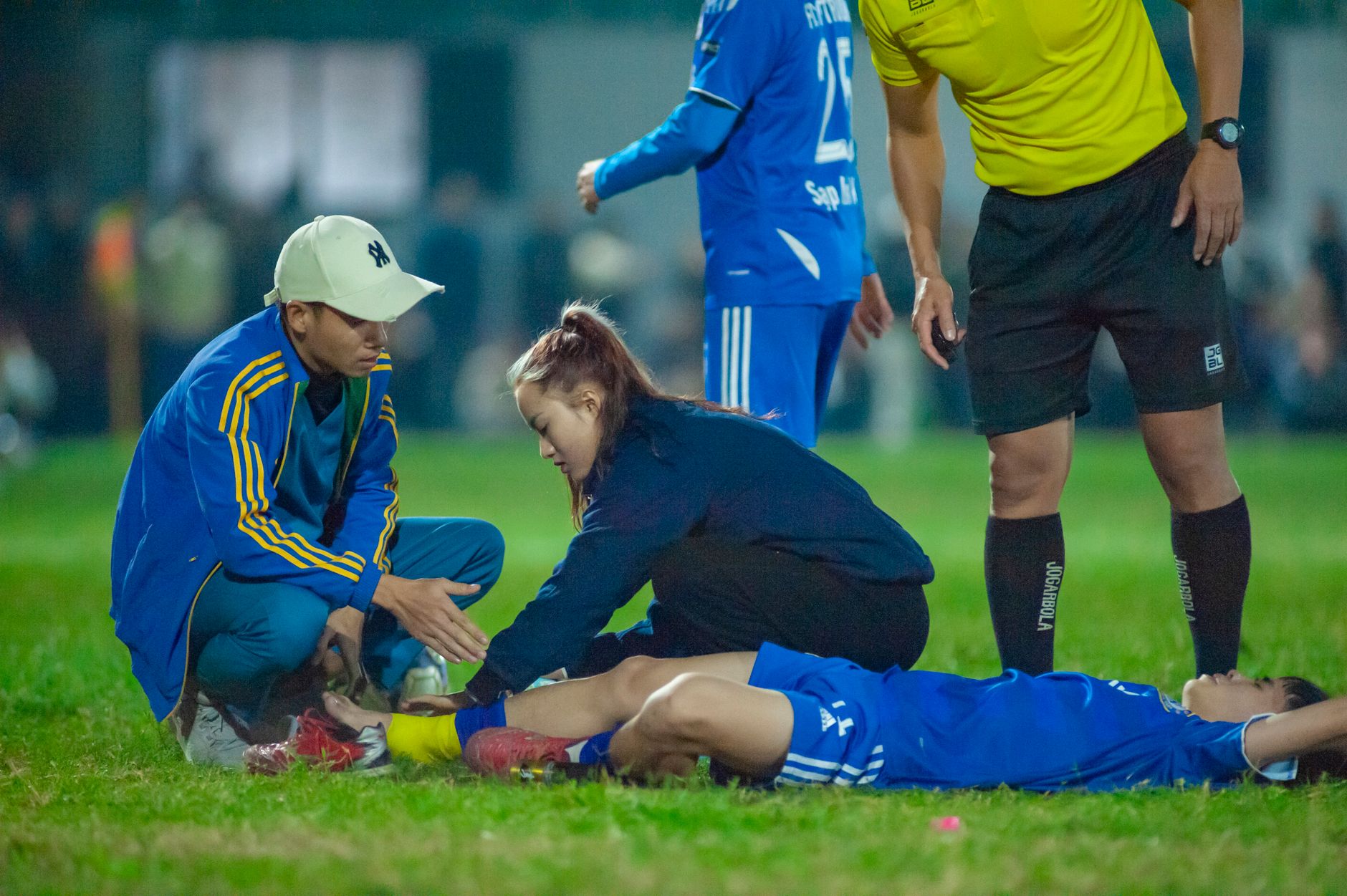
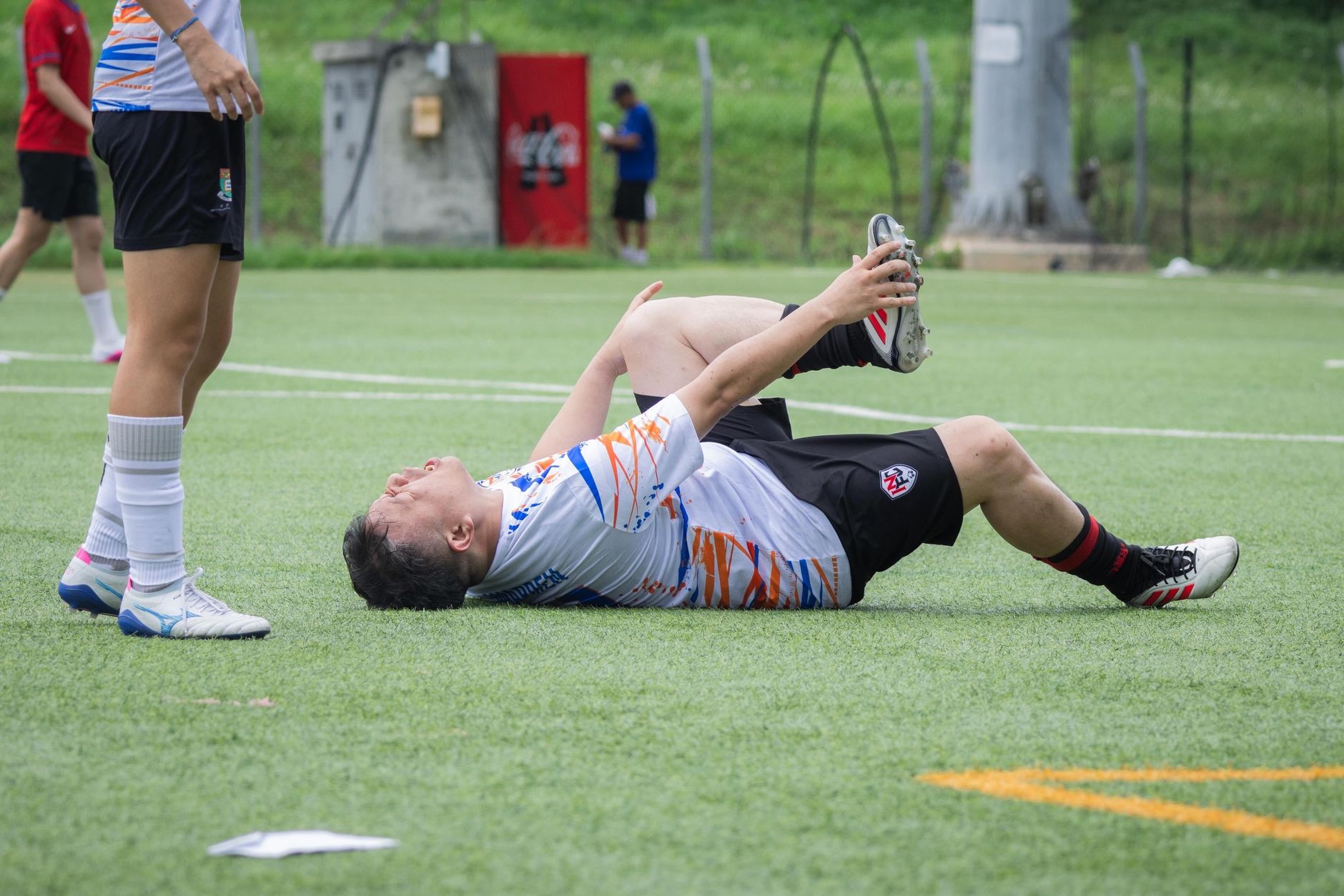
Arsenal defender William Saliba is ruled out for an extended period due to a back injury, impacting Arsenal's title push and France national team plans.
Introduction
Arsenal have been dealt a severe blow to their silverware ambitions following confirmation that star defender William Saliba faces an extended spell on the sidelines due to a back injury. The France international, who has established himself as one of the preeminent central defenders in world football, suffered the setback during recent competitive action, prompting deep concern among North London faithful and the French national setup alike. Medical examinations conducted by Arsenal's high-performance medical team confirmed structural strain that requires immediate rest and intensive rehabilitation, ruling him out of key domestic and European fixtures.
The news comes at a critical juncture in the season, as manager Mikel Arteta navigates a congested fixture calendar across multiple competitions. Saliba's absence leaves a significant void in the heart of Arsenal's defense, where his pairing with Brazilian center-back Gabriel Magalhães has formed the bedrock of the club's defensive solidity over the past two seasons. For a side competing at the absolute pinnacle of European football and building momentum toward international tournaments, losing a defender of Saliba's tactical intellect, physical presence, and composure on the ball represents a profound operational challenge.
Beyond the immediate ramifications for Arsenal's domestic title challenge, the injury has sent ripples through international football circles. With national teams fine-tuning their tactical frameworks and defensive depth charts ahead of future international major tournaments, any prolonged absence for an elite defender alters the strategic landscape significantly. Arsenal’s medical staff have refrained from placing a rigid timetable on his return, emphasizing that back injuries require a flexible, symptom-led recovery program to prevent long-term recurrence.
Background & Context
To fully grasp the magnitude of Saliba’s absence, one must examine his transformative impact on Arsenal since cementing his place in the starting eleven. After early loan spells with Saint-Étienne, Nice, and Marseille, the young Frenchman returned to North London with the tactical maturity needed to anchor an elite Premier League defense. His introduction into the side transformed Arsenal's backline from a vulnerable unit into one of the most stingy defensive setups in Europe, characterized by high defensive lines, dominant aerial presence, and immaculate distribution from the back phase.
This is not the first time a back injury to Saliba has threatened to derail Arsenal's aspirations. Supporters will vividly recall the 2022-23 campaign, when Saliba sustained a similar lumbar injury during a UEFA Europa League clash against Sporting CP in March. His subsequent absence during the final stretch of that season coincided with a visible dip in Arsenal's defensive stability, ultimate contributing to a drop in points that allowed Manchester City to overtake them in the Premier League title race. That historical precedent amplifies current anxieties around the Emirates Stadium, as fans and analysts question whether the squad possesses sufficient tactical resilience to avoid a similar collapse.
On the international stage, Saliba’s rise has been equally significant. Having earned his spot in Didier Deschamps’ France squad through relentless consistency, he transitioned from a promising rotational option into a guaranteed starter for Les Bleus. His ability to defend vast spaces in 1v1 situations proved vital during high-stakes international encounters. When examining top-tier international competitions, such as how Spain Beat France to Reach World Cup Final | Tactical Analysis demonstrates, small defensive lapses or missing structural pillars can completely alter the outcome of knockout football at the highest level.
Key Details & Analysis
From a medical perspective, back injuries in modern elite footballers are notoriously complex to manage. The physical demands placed on central defenders—involving explosive acceleration, rapid aerial adjustments, torsional rotation, and constant physical contact—put immense strain on the lower spine and surrounding core musculature. Medical experts stress that back issues cannot be treated like routine muscular tears; premature strain can trigger compensatory injuries in the hamstrings, glutes, or hips. Similar to how high-performance athletes across individual sports manage structural health, as seen when Raducanu reveals injury concern but plans to play at Wimbledon, managing spinal stability demands extreme patience, load management, and bespoke physical therapy before returning to full-intensity competition.
Tactically, Saliba's profile is uniquely tailored to Mikel Arteta's high-pressing positional play. The Frenchman possesses rare recovery speed that allows Arsenal to push their midfield block high up the pitch without fearing quick ball over the top. Furthermore, his calm demeanor under intense pressure allows Arsenal to reliably build out from the back, drawing opposition presses before breaking lines with crisp forward passes. Without Saliba, Arsenal lose both an elite individual defender and a fundamental mechanical gear in their build-up phase.
Statistical Impact of Saliba's Presence
The numbers speak volumes regarding Saliba’s importance to Arsenal’s structural stability. Statistical analysis over recent seasons highlights a distinct contrast in team performance when the Frenchman is on the pitch compared to when he is missing:
Win Percentage: Arsenal maintain a win rate exceeding 72% in Premier League matches featuring Saliba, which drops noticeably to under 45% in his absence.
Goals Conceded Per Game: With Saliba anchoring the backline, Arsenal concede an average of 0.8 goals per 90 minutes, compared to 1.6 goals per game when he is sidelined.
Clean Sheet Ratio: Saliba contributes to a clean sheet in nearly 45% of his appearances across all competitions.
Duel Success Rate: Saliba wins over 65% of his overall ground and aerial duels, ranking in the top 10th percentile among European central defenders.
Progressive Pass Success: Completing over 90% of his total passes, Saliba ranks among the premier ball-playing defenders in modern football.
Expert Perspective
Speaking to the press regarding the defender's physical status, Arsenal manager Mikel Arteta struck a careful balance between acknowledged concern and squad confidence. Arteta highlighted that while losing a player of Saliba's extraordinary quality is a test for any technical staff, it also opens opportunities for other members of the squad to step up and prove their worth. The Spanish coach emphasized that the club's medical staff are working tirelessly to ensure Saliba recovers fully, reiterating that no shortcuts will be taken when dealing with a spine-related injury.
Tactical analysts and pundits across major networks, including reporting from Sky Sports, have weighed in heavily on how Arsenal must reconfigure their defensive setup. Analysts point out that Arteta has built greater squad depth than in previous seasons, giving him several structural alternatives. Options include moving versatile full-back Ben White into his natural central defender position, giving expanded minutes to Polish defender Jakub Kiwior, or relying on multi-positional defenders like Riccardo Calafiori and Jurriën Timber to plug the gap alongside Gabriel Magalhães.
Former players and tactical experts stress that while individual replacements possess quality, replacing the innate chemistry between Saliba and Gabriel is virtually impossible overnight. The duo’s non-verbal communication, positional covering, and shared understanding of dynamic spaces have taken years to refine. Opposing managers will undoubtedly analyze Arsenal's modified central defense, targeting any temporary lack of cohesion during high-intensity transition phases.
Impact & Implications
The broader implications of Saliba's extended layout ripple across multiple competitive fronts. Domestically, the Premier League title race leaves no room for vulnerability. With powerhouses like Manchester City and Liverpool relentlessly stacking points, dropping unexpected points during a defender's recovery period can effectively alter the trajectory of an entire league campaign. Arsenal’s depth will face an absolute trial by fire over the coming weeks.
In Europe, the European knockout stages present an unforgiving arena where defensive weaknesses are ruthlessly exploited. Advanced Champions League football demands flawless execution in defensive transitions and 1v1 defending against elite global forwards. Losing a recovery pace anchor like Saliba forces Arteta to consider tactical adaptations, such as dropping the defensive line slightly lower or double-pivoting in midfield to offer extra structural protection to the back four.
From an international standpoint, Didier Deschamps and the French coaching staff are monitoring the situation with intense focus. As Les Bleus lay the groundwork for upcoming competitive qualifiers and friendly fixtures leading into the next global tournament cycle, maintaining defensive continuity is paramount. Maintaining top-level momentum in international sports requires extreme depth and consistency, a challenge frequently observed across global athletics, much like how England look to continue unbeaten T20 World Cup run against New Zealan demonstrates the importance of squad depth during intense tournament schedules. France will need Saliba fully healthy if they are to maintain their standing among the favorites for global honors.
Looking Ahead
As Arsenal prepare for an intense run of winter and spring fixtures, the coaching staff must rapidly adjust their tactical blueprint. The immediate schedule includes high-stakes league clashes, crucial domestic cup ties, and demanding Champions League fixtures. Arteta's ability to maintain structural discipline without his primary defensive pillar will serve as a definitive test of his coaching evolution and the overall maturity of his squad.
For Saliba, the road ahead involves meticulous rehabilitation focused on core stability, mobility, and progressive physical conditioning. Arsenal’s medical department will adopt a conservative approach, subjecting the defender to rigorous physical tests before clearing him for full-contact training sessions. Rushing back from lower back issues carries substantial risk, and all parties agree that protecting the 23-year-old’s long-term athletic health remains the ultimate priority.
Football fans globally will keep a close eye on official club announcements and international updates published via official portals such as FIFA.com as the international break approaches. If Arsenal can successfully navigate this difficult stretch and keep their trophy ambitions intact, Saliba’s eventual return will provide a massive psychological and tactical boost for the season's decisive final push.
Conclusion
William Saliba's extended absence due to a back injury represents one of the most critical mid-season challenges of Mikel Arteta's managerial tenure at Arsenal. As an indispensable component of both Arsenal's defensive record and France's national team vision, the young defender leaves behind big boots to fill. However, modern football is defined by squad resilience, tactical adaptability, and the ability of elite teams to overcome adversity when key figures are unavailable.
The coming weeks will reveal whether Arsenal have developed the requisite depth and mental fortitude to sustain their pursuit of silverware without their defensive talisman. Should the Gunners weather this storm and maintain their competitive standing across all fronts, it will stand as a resounding testament to the squad structure built in North London. For Saliba, patience and dedicated rehabilitation remain the paramount objectives as he works toward returning to full fitness for both club and country.
William Saliba injuryArsenal defender back injuryMikel Arteta team newsArsenal injury updatesSaliba return datePremier League injury newsFrance FIFA World Cup 2026 defensive lineup