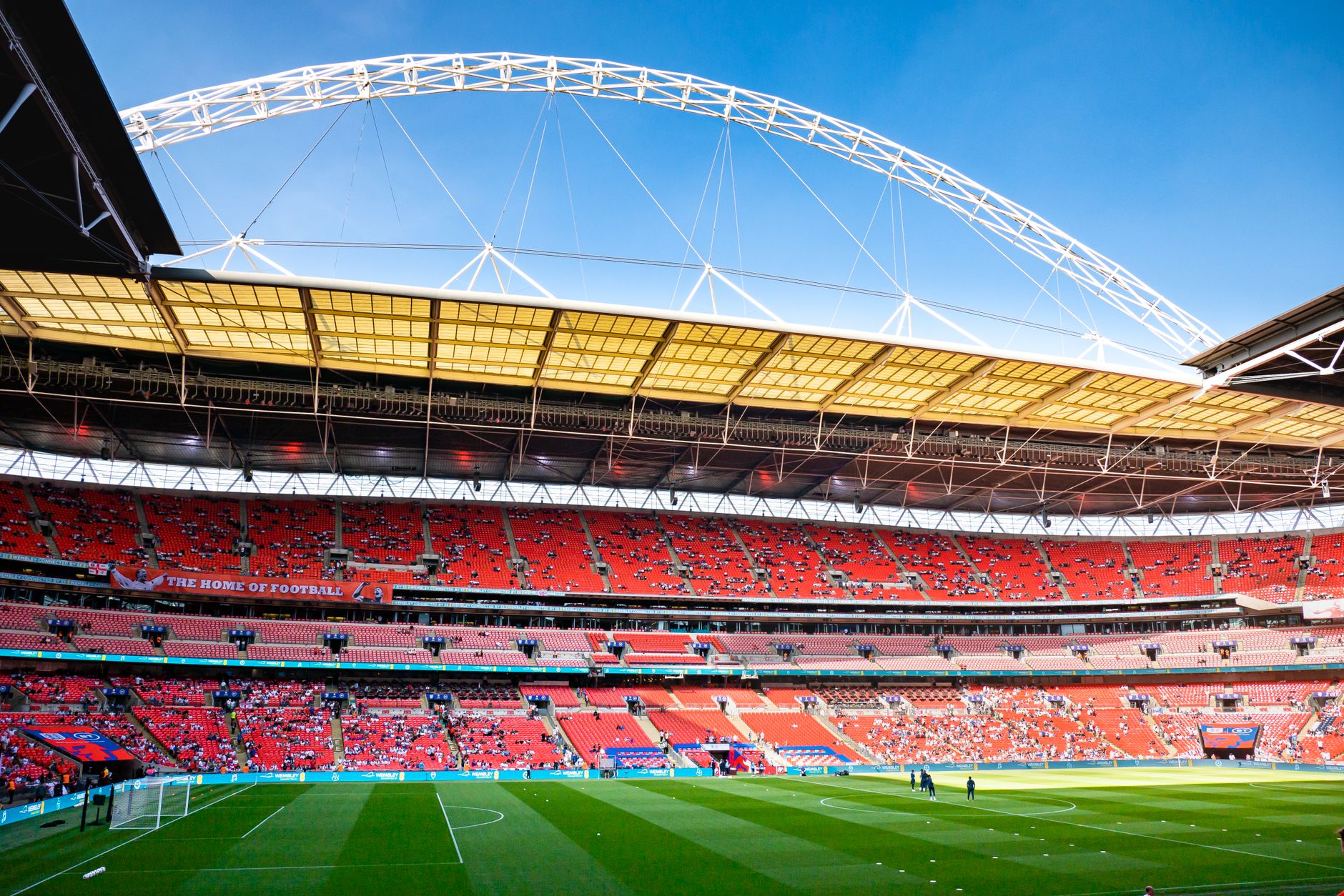
Explore our detailed guide to all 20 Premier League captains, analyzing leadership styles, tactical importance, and the journey toward the 2026 FIFA World Cup.
Introduction: The Changing Face of Premier League Leadership
The Premier League armband has long stood as one of football's most revered symbols of authority, carrying the weight of club tradition, intense media scrutiny, and immense dressing room responsibility. In an era defined by fast-paced tactical sophistication, multi-million-pound transfer valuations, and relentless global exposure, the role of a top-flight captain has transformed drastically. No longer is the skipper merely an outspoken enforcer barking orders from central midfield; modern leaders are tactical liaisons, emotional anchors, and media diplomats representing their institutions on the grandest international stage.
As the international football calendar edges closer toward the expanded 48-nation spectacle at the 2026 FIFA World Cup, Premier League captains find themselves under a unique microscope. Not only are they tasked with steering their respective clubs through domestic marathons, European campaigns, and grueling cup runs, but many also serve as the standard-bearers for their national teams. From seasoned international icons commanding defensive lines to dynamic playmakers dictating the tempo from the engine room, examining the current crop of twenty Premier League skippers reveals the evolving nature of elite leadership across world football.
Background & Context: From Blood-and-Thunder Enforcers to Tactical Facilitators
To fully appreciate the modern Premier League captain, one must reflect on the seismic cultural shift that has swept English football over the past three decades. During the 1990s and early 2000s, captaincy was synonymous with visceral intimidation and unwavering physical commitment. Figures like Roy Keane, Patrick Vieira, Tony Adams, and John Terry embodied a confrontational ethos where games were frequently won in the tunnel before a single ball had even been kicked. Their authority was rooted in physical presence, bone-crunching challenges, and an unyielding demand for domestic dominance.
However, the rapid influx of international managers and continental philosophies altered that paradigm completely. Modern managers like Pep Guardiola, Mikel Arteta, and Arne Slot view captains not as isolated autocrats, but as extensions of their cerebral game plans. This structural transformation has occurred alongside explosive commercial growth, where squad turnover is higher than ever before. As clubs commit historic sums—evidenced by how Premier League Summer Spending Hits £2.14bn: New Record Looms—the dressing room environment has become intensely cosmopolitan, requiring leaders capable of bridging language barriers, cultural divides, and disparate playing philosophies.
Furthermore, governing bodies such as FIFA and UEFA have fundamentally changed in-game dynamics through revamped officiating guidelines. Recent directives dictate that only the designated team captain is permitted to approach referees to discuss pivotal decisions, transforming the armband into an official diplomatic tool. Consequently, managers now prioritise emotional discipline, tactical clarity, and communication over sheer aggression when appointing their squad leaders.
Key Details & Analysis: Profiling the Premier League's 20 Skippers
Analyzing the twenty Premier League captains across the division demonstrates a broad spectrum of leadership archetypes, ranging from title-winning titans to gritty lower-table survivalists. At the summit of the table, title contenders deploy captains who lead primarily through technical brilliance and supreme tactical composure. Arsenal’s Martin Ødegaard epitomises this contemporary blueprint. Appointed by Mikel Arteta to spearhead the Gunners' renaissance, the Norwegian playmaker leads by pressing relentlessly from the front, orchestrating offensive transitions, and setting an impeccably high standard in daily training sessions.
Across Merseyside, Liverpool rely on the commanding presence of Virgil van Dijk. Inheriting the permanent armband following the departure of Jordan Henderson, the Dutch international centre-back blends old-school defensive dominance with refined modern distribution. Van Dijk's leadership has been paramount in maintaining defensive stability during administrative shifts, proving essential even as wider structural discussions surround Anfield, including reports analyzing whether a Bezos Liverpool Investment: Minority Stake or Full Takeover? could reshape the Merseyside club's financial future. Under Arne Slot, Van Dijk remains the defensive pillar around which Liverpool’s campaign is constructed.
The Champions and The North London Innovators
At Manchester City, Pep Guardiola’s democratic leadership group has consistently adapted, with Kyle Walker and Kevin De Bruyne assuming central roles in maintaining an unprecedented standard of domestic excellence. Walker's extraordinary recovery pace and vocal defensive organization complement De Bruyne’s peerless playmaking vision. Together, they provide the tactical flexibility and psychological steel required to sustain relentless title charges across multiple fronts.
Meanwhile, Tottenham Hotspur entered an exciting tactical era under Ange Postecoglou by placing their faith in Son Heung-min. The South Korean superstar transitioned effortlessly into the captaincy following Harry Kane's high-profile departure to the Bundesliga. Son’s universally respected professionalism, irrepressible positivity, and clinical finishing have made him an inspirational figure in North London, demonstrating that empathy and high morale can produce exhilarating, front-foot football.
Midfield Conductors and Cultural Anchors
Across the remaining traditional heavyweights and aspiring European challengers, captains serve as cultural bellwethers. At Manchester United, Bruno Fernandes carries the creative and emotional pulse of the squad. While his animated demeanour occasionally attracts scrutiny from pundits, his exceptional chance-creation metrics, sheer durability, and willingness to shoulder public accountability make him an indispensable asset in the Old Trafford dressing room. In the northeast, Newcastle United rely heavily on Bruno Guimarães alongside the long-serving Jamaal Lascelles, with Guimarães bringing South American flair and tenacious ball-winning capabilities to the heart of Eddie Howe's engine room.
Aston Villa’s resurgence under Unai Emery has been driven by the infectious tenacity of John McGinn. The Scottish international combines tireless box-to-box industry with an approachable dressing-room persona, perfectly encapsulating Villa's aggressive, organized tactical identity. Down on the south coast, Brighton & Hove Albion look to Lewis Dunk, an academy product who navigated the club's ascent through the lower leagues to European football, illustrating the immense value of homegrown continuity amidst constant tactical refinement.
Resilience Across the Rest of the Division
For clubs battling outside the European elite, captaincy often requires a relentless survival instinct. At Brentford, Danish midfielder Christian Nørgaard acts as the central pivot, shielding the backline while maintaining calm authority during high-pressure fixtures. Nørgaard's tactical discipline sets the platform for the Bees to express themselves in attack, as seen when young talents thrive, reminiscent of when Wilson Scores on Brentford Debut in 6-1 Birmingham Rout. At Fulham, Tom Cairney remains the aesthetic standard of composure in possession, dictating matches when called upon by Marco Silva.
West Ham United turned to Jarrod Bowen following Declan Rice's exit, rewarding the hard-working England forward for his match-winning heroics and tireless work ethic. At Crystal Palace, Marc Guéhi has emerged as one of Europe's most coveted young leaders, wearing the armband with a quiet, unflappable authority that mirrors his defensive intelligence. Everton continue to benefit from the veteran savvy of Séamus Coleman alongside James Tarkowski, while Wolverhampton Wanderers lean on the physical dynamism of Mario Lemina in midfield.
Rounding out the division, Nottingham Forest count on Ryan Yates’ fierce local commitment to rally the City Ground faithful. At Leicester City, veteran talisman Jamie Vardy continues to defy age, leading the Foxes with his relentless pressing and clinical edge. Newly promoted Ipswich Town have found inspirational guidance in Sam Morsy, whose disciplined leadership in midfield earned successive promotions, while Southampton rely on academy graduate Jack Stephens to anchor their possession-heavy tactical approach. At Bournemouth, stalwart defender Adam Smith provides veteran guidance to an energetic, dynamic squad.
Expert Perspective: Managerial Tactics and Punditry Debates
The appointment of a captain is arguably one of the most critical structural decisions a manager makes, often setting the tone for an entire managerial tenure. Respected tacticians and prominent media outlets like BBC Sport frequently highlight how a manager’s selection reflects their broader footballing ideology. While traditionalists still champion the concept of vocal centre-backs or midfield enforcers, modern coaches increasingly prioritize players who mirror their technical style and maintain composure in front of the cameras.
Tactical analysts point out that the implementation of leadership groups has softened the singular pressure once placed entirely on the captain. Pep Guardiola famously relies on player-led votes to determine his leadership council, ensuring collective accountability rather than hierarchical reliance. Conversely, managers like Mikel Arteta prefer a clear, designated figurehead who embodies the club's non-negotiable cultural standards. Fan reception has also evolved; supporters now value emotional intelligence, community engagement, and consistent individual performances far more than performative displays of aggression on the pitch.
Impact & Implications: Domestic Success and the Road to World Cup 2026
The performance and health of Premier League captains directly dictate the fortunes of their respective clubs across the league table. A fractured dressing room or an ineffective skipper can swiftly derail a season, leading to tactical disarray, loss of dressing room cohesion, and eventual managerial dismissals. Conversely, steady leadership is often the decisive factor in high-stakes moments, such as navigating a congested festive schedule, sustaining a title challenge in April, or surviving a brutal relegation dogfight in May.
Beyond the domestic theater, the ripple effects extend directly to international football. With the 2026 FIFA World Cup looming in North America, national team managers will depend heavily on the resilience and form of these Premier League skippers. Players like Son Heung-min, Virgil van Dijk, Martin Ødegaard, and Bruno Fernandes are not merely club captains; they are the undisputed leaders of their national sides. The rigorous tactical demands placed upon them weekly in the Premier League will shape their physical conditioning and tactical maturity heading into international football's showpiece event, covered comprehensively on FIFA.com.
Looking Ahead: Succession Planning and Emerging Leaders
As the grueling league calendar marches forward, several clubs are already contemplating the future of their leadership structures. Veteran stalwarts such as Séamus Coleman, Jamie Vardy, and Kyle Walker are approaching the twilight of their illustrious top-flight careers. Clubs must proactively prepare for seamless leadership transitions, identifying emerging figures within their ranks who possess the psychological fortitude to carry the armband forward.
In the coming seasons, football fans should watch for the elevation of young, tactically sophisticated leaders capable of thriving in high-intensity systems. Midfielders with high football IQs and calm centre-backs are increasingly favored to inherit captaincy roles across the league. How these prospective leaders handle high-stakes domestic clashes, European knockout ties, and international qualifying matches will determine who steps forward to define the next era of Premier League and World Cup leadership.
Conclusion: The Enduring Prestige of the Premier League Armband
The role of the Premier League captain has undergone a profound metamorphosis, evolving from the bone-jarring, vocal traditionalism of the past into a sophisticated, multi-dimensional position of authority. Today’s skippers must navigate complex tactical systems, balance international dressing rooms, handle stringent referee interaction protocols, and manage unprecedented media attention with grace and composure.
Despite the commercialization and relentless tactical modernization of the sport, the captain's armband remains football's most authentic emblem of trust, honor, and responsibility. Whether lifting the Premier League trophy under a shower of confetti or inspiring their nation at the 2026 FIFA World Cup, the twenty captains of English football’s top flight continue to set the standard for leadership on the world's most demanding sporting stage.
premier league captainspremier league leaderscaptain armband footballpremier league tactical analysismartin odegaard arsenal captainvirgil van dijk liverpool captainworld cup 2026 football leaders